Showing posts with label NASCAR. Show all posts

Wednesday, April 12, 2017

A Texas-Sized Niche

This post originally appeared at the Fort Worth Weekly's website. To view it there : https://www.fwweekly.com/2017/04/11/sports-rush-a-texas-sized-niche/

Fort Worth has a sports niche. It’s a legendary, bighoss-sized one.

We saw it on display this weekend at Texas Motor Speedway, home to the gargantuan video screen known as Big Hoss TV. TMS hosted automobile races in NASCAR’s two top classifications. The world’s best stock car drivers and crews all assembled in north Fort Worth to compete on a beautiful Texas spring day.

They’ll return in November for another set of races. In between, the Verizon IndyCar Series and the Camping World Truck Series will visit June 9 and 10 (the trucks will also run again in November). For fans, these weekends represent a major event, with the campers and RVs parked across the speedway’s infield and external lots representing a testament to the amount of time and resources they devote to attending. I saw a man wearing a shirt that read Saskatchewan Roughriders (a Canadian football team) on its front. We can’t know if he truly visited from Regina specifically to watch (mostly) American race car drivers, but many attendees no doubt come from outside the area (including UK rocker Ozzie Osbourne and his son Jack, who instructed the drivers to start their engines Sunday).

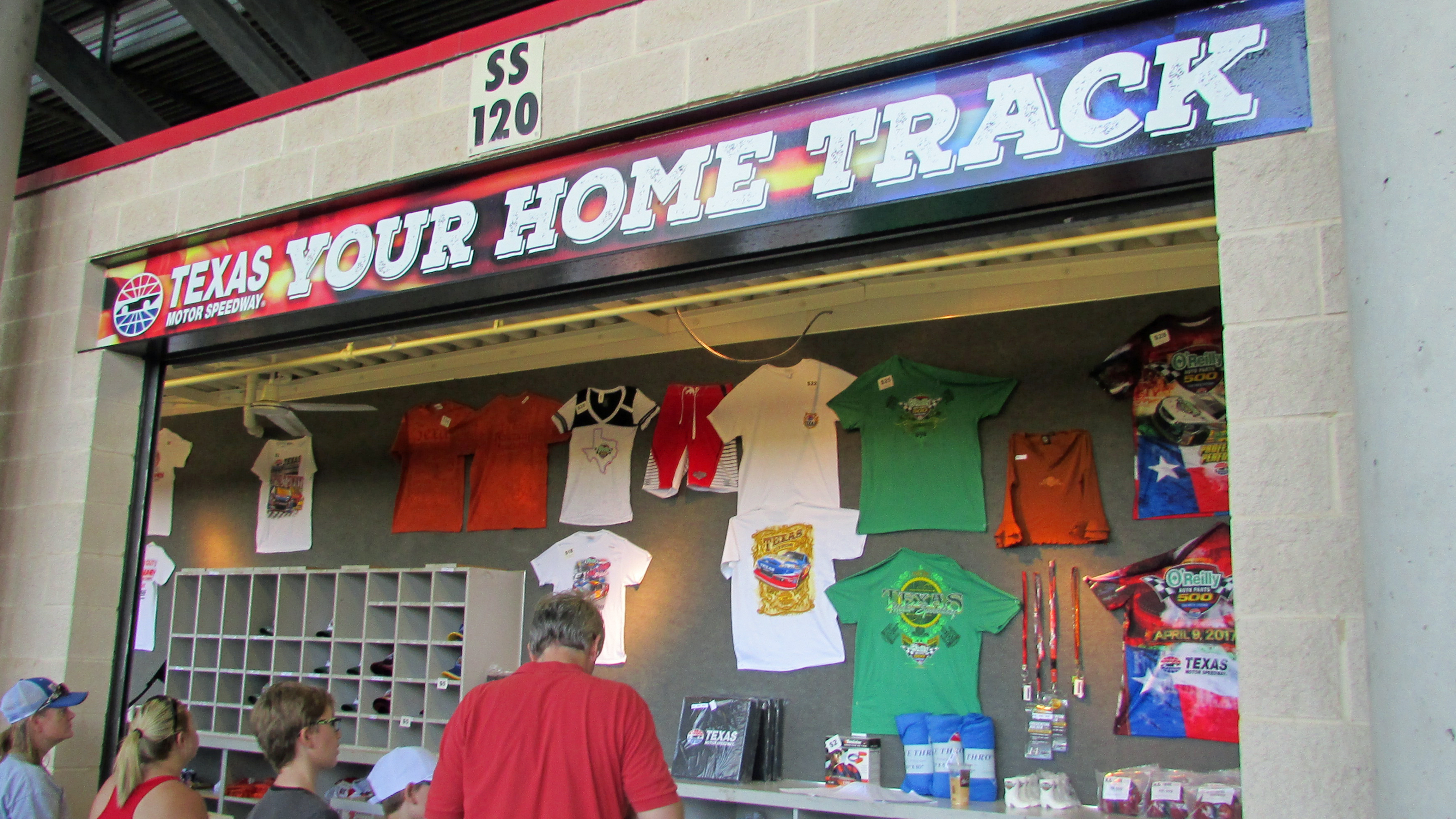
The races also bring in national broadcasters, with Sunday’s contest carried on the Fox Network. Events that feature all the best competitors in a given sport draw audiences from beyond the areas where they happen, kind of like all-star games. For some sports, mostly individual ones, they play on a neutral site every week (notwithstanding TMS’s positioning itself as “Your Home Track”). One can make a case that these sorts of events have become Cowtown’s forte.

Home Track Stand at TMS 

While it doesn’t attract the big four broadcast networks any more, the rodeo held every winter in conjunction with the Fort Worth Stock Show features world-class PRCA cowboys and WPRA cowgirls. For someone in the region who wants to see the top steer wrestlers or barrel racers, the FWSSR offers the best way to do it.

May’s DEAN & DELUCA Invitational annually supplies North Texas (and a nationwide TV audience) the world’s top male golfers. At one time, Colonial Country Club also hosted a top-flight men’s tennis tournament.

Fort Worth has put on a few one-off big events, too, like the NCAA Gymnastics Championship and even tennis’ Davis Cup final in 1992. What it hasn’t staged a lot of lately is professional team sports.

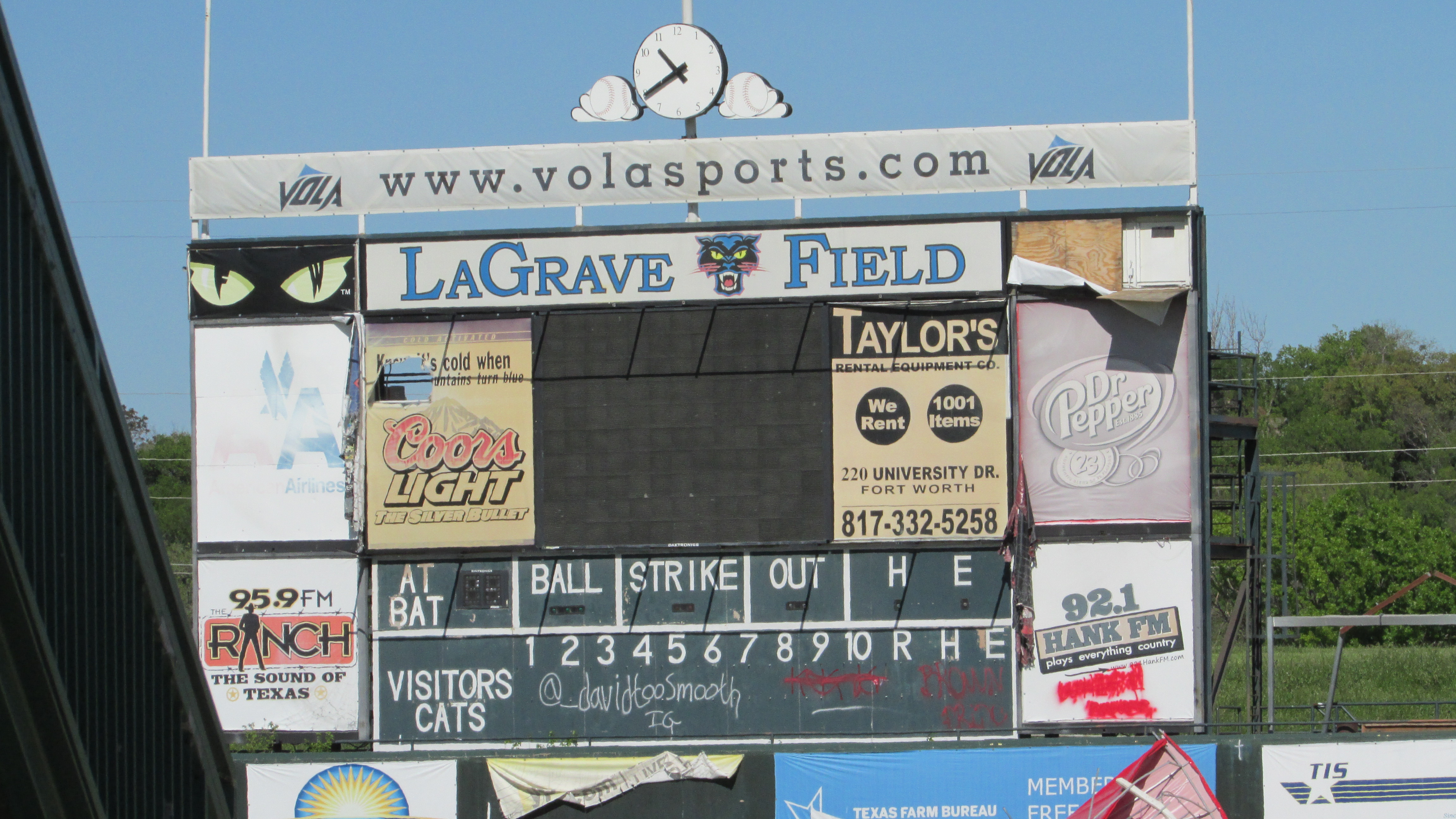
LaGrave Scoreboard 2016 

LaGrave Field has descended into disrepair and it looks like it will be a while before the city sees Fort Worth Cats baseball again. The minor league hockey teams that tried to make the Fort Worth Convention Center home are gone, too. The Arena Football League lasted only the 1994 season before that franchise disappeared. The golf tournament, on the other hand, has survived more than 70 years. Texas Motor Speedway has made it 20+. The rodeo, as they say, is legendary.

Team sports aren’t totally dead in Cowtown. TCU draws sustainable crowds for a few of its programs. The Frogs’ biggest draw, though, is its football program, a sport that plays only half a dozen home games yearly with many of those coming against opponents with regional appeal.

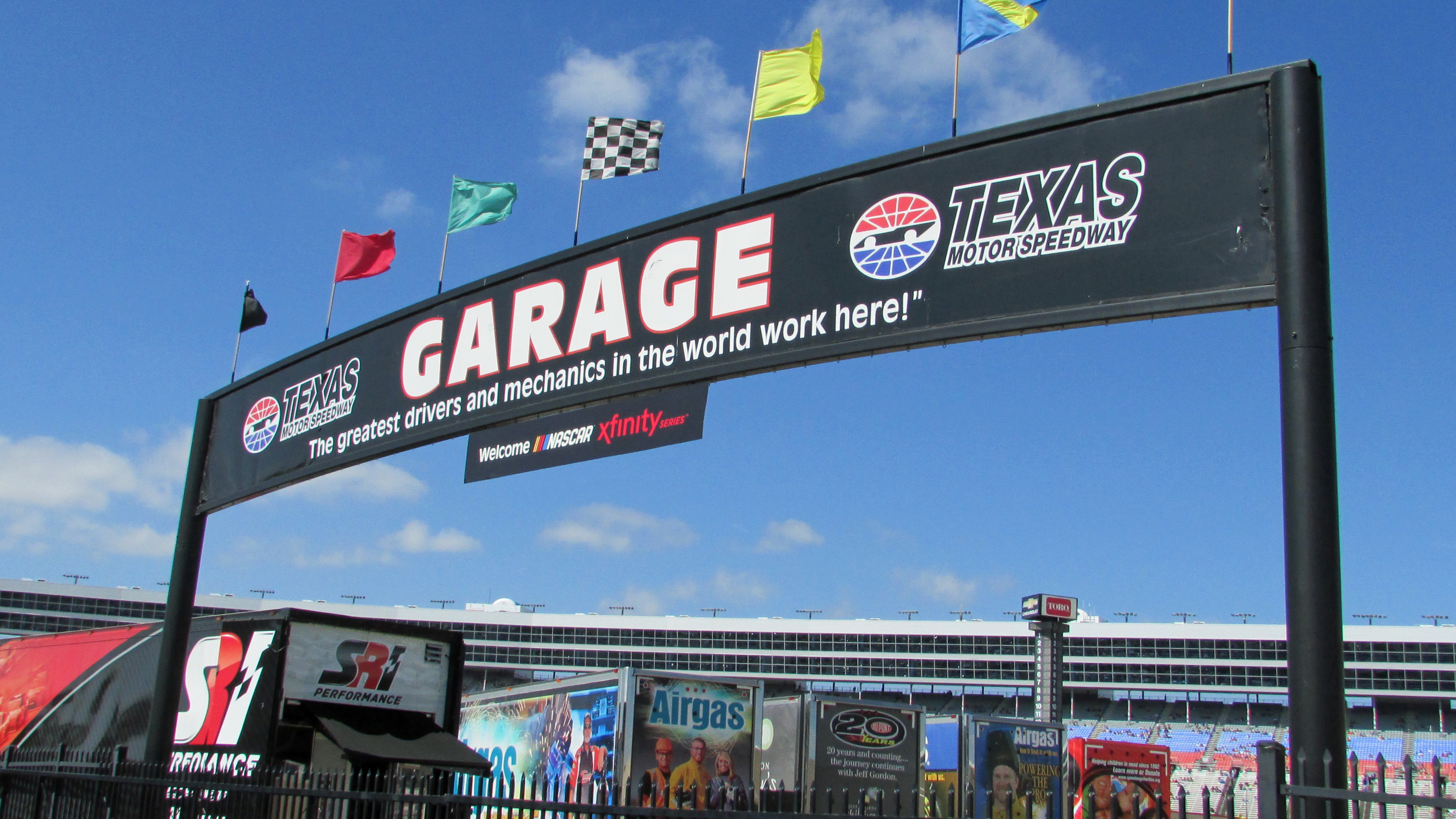
TMS Garage 

Municipalities love to bring in visitors to buy hotel nights and purchase meals and tip local musicians. Only sports teams playing at the highest levels attract visitors and national media outlets to their cities, and even then only in limited quantities. Since existing arena deals, sales tax caps, and perhaps basic economics indicate Fort Worth won’t induce the local big league franchises to relocate from Dallas, Arlington, or Frisco any time soon, Fort Worth will likely have to stick to its sports niche.

That niche is the single big event. Given the quality of the racing Sunday (Jimmie Johnson steered his way to a win that featured drama and strategy all the way to the end) and the tens of thousands of people who watched it, that niche can be both exciting and substantial. Legendary, even.


Rush Olson has spent two decades directing creative efforts for sports teams and broadcasters. He currently creates ad campaigns, television programs, and related creative projects for sports entities through Rush Olson Creative & Sports and FourNine Productions.


RushOlson.com

Linkedin.com/company/rush-olson-creative-&-sports
Facebook.com/RushOlsonCreativeandSports 

Friday, November 11, 2016

Interview with NBC's Jeff Burton

This post originally appeared at the Fort Worth Weekly's website. To view it there : https://www.fwweekly.com/2016/11/10/sports-rush-jeff-burton-broadcaster/

With the NASCAR circuit visiting Texas Motor Speedway this past weekend, the Fort Worth Weekly took a look at the broadcasters who bring the action to those who can’t make it to the track. We did a story on the Performance Racing Network (PRN), who create the radio broadcasts, which you can read here. We also interviewed former driver Jeff Burton, who now works on NBC’s television coverage as a race analyst. He won the first Cup race of his career at Texas in 1997, among 21 total wins at the highest level of stock car racing. What follows are excerpts from that interview.

The radio guys at PRN actually got Burton his first broadcasting gig. It came in Indianapolis while he was still an active driver, working on the network’s coverage of NASCAR’s second-level racing series.

“We just asked him if he would come and work in the booth for the Xfinity (Series) race,” PRN President Doug Rice said. “I’ve known Jeff for a long time and he was very anxious to come up and do it. He was excellent. I mean, you just knew it. He’s got a good vocabulary, He’s got a good speaking voice. He’s got great knowledge. You knew he was going to be good.”

Those traits helped Burton move from that one-time radio gig into his current NBC position. It may have also seemed a natural move because he grew up finding ways to watch races.

“We made watching the races a big part of our weekend. I can remember dragging a TV out into the backyard with a lot of extension cords plugged into each other so we could play basketball and watch a race. All of the three boys of the Burtons, we all liked racing. We all liked watching it.”

When he drove, Burton decided it was in his best interest to pay attention to the media accounts of his sport.

“My experience has been that drivers always want to watch the replays of the races they won. The talk show thing, there’s been some times when I didn’t want to listen. But there were times I didn’t want to listen and I did, like when Jeff Gordon and I had our incident in Texas many years ago. I got up early that next morning, was going to the gym and I’m, like, ‘Do I want to turn this on?’ And I made myself. And then I made myself sit in the car in front of the gym for, like, 30 minutes listening to it. and because it was – I don’t want to listen to it, but I just felt like I needed to. And then, I listen to it because I enjoyed it. I just enjoy it. I don’t listen to it all the time by any means, but when I was a driver, it helped me to see a different perspective. When you’re in the forest, you can’t see the trees. And I always liked it when fans would call in and even though I would disagree with a fan or I would agree with a fan, either way it made me see things in a different light and I thought that was healthy to understand that the sport is more than just about me.”

As a former driver, Burton uses his connections to help him prepare for a broadcast. He knows how to time his communications with drivers.

“My job is different from a pit road reporter. I’m more of an analyst, so I have a luxury those guys don’t have that when someone needs to cool off, I don’t have to talk to them right then. I can wait until a Tuesday or a Thursday. What I try to do is to catch people when I think it’s good for them or I try to give them enough time to get back to me. So there’s times I text people on Sunday mornings. And that’s what I try to do with the drivers on Sunday mornings is just send them texts, because they’re busy and it’s, in many cases for those guys, easier to just text me back. Because I don’t need a paragraph. I just have a simple question. So I just try to put the driver in a situation where they have time to get back to me, that time to respond to me. They don’t have to do it immediately. When I say they don’t have to, they’re all so good about working with us. The drivers are phenomenal at spending time with us and giving us answers, trying to help us understand what they’re dealing with.”

Knowledge of how drivers approach their craft informs Burton’s commentary as well.

“I have opinions about all sorts of things based on my experience with those things and that goes for drivers as well. And then my opinion is also shaped based on how I see them interact with others and what the situation is. To be honest, my personality is such that I always try to give someone the benefit of the doubt. When I drove and I got wrecked, rarely did I just come out and say ‘Hey, the dude just wrecked me on purpose,’ because typically, I didn’t feel like they did. Whereas, opposed to some other drivers, if you just bump into them, they think you did it on purpose every single time. Not everybody, but that’s just different personalities. So I’m more apt to give someone the benefit of the doubt than I am to say, ‘Hey, you just wrecked him on purpose.’ 

“But I have to call it like I see it. Matt Kenseth and I, for example, were great teammates. When he won his championship, I celebrated with him just like I won the championship because I was truly happy for him. But when he does something like when he wrecked [Joey] Logano last year in Martinsville, I said, ‘You know, NASCAR’s going to have to step in. They can’t allow that.’ But on the same token, I disagreed with the severity of the punishment. But not because it was Matt Kenseth, just because it was different than they had ever done before.”


Burton’s prep work also involves making sure he keeps abreast of the latest big-picture developments in the sport. He also believes it’s important to keep his immediate focus on what’s going on in the current race.

“Calling a race, in my role, is very much about understanding what has been going on in the sport prior to this race. What are they dealing with? What improvements have they made? Where have gone backwards? Where are their struggles? Where are their strengths? What’s going on in this sport? What’s the tire for this weekend? For my role, it’s more about staying current in understanding the sport than it is about stats and about those kind of things. 

“Steve (Letarte, Burton’s booth colleague) and I are analysts. We don’t have to know that Jimmie Johnson – I’m making this up – that Jimmie Johnson going into this week had not won a Martinsville race in the last six races. We don’t specifically have to know that. We just have to know that he won a bunch there, but lately hadn’t had the same success. We’re not stat guys, but we need to understand the flow of each race team, what they’re struggling with, what they’re doing well, what is their situation, and then let the race happen. Because the race is the story, and what happened in Martinsville last week matters for this week, but only because the Gibbs guys had a little conflict during the race. Jimmie Johnson won the race, which means he’s locked in [to a chance to race for the season championship]. Kevin Harvick had problems with speed. Carl Edwards has a huge hole to dig out of. So that’s why last week’s race matters. But what happens this week is what matters the most this week. This week’s the most important race ever in the history of NASCAR.”

Incidentally, Burton did actually remember the stats correctly. Johnson had, in fact, not won a race in Martinsville since April of 2013, exactly six races prior to his triumph there on October 30th.
When he decided to move into the broadcast booth, Burton wanted to make sure his network would share his vision for covering his sport.

“NBC approached me with a plan about how they wanted to be involved in the sport and I liked what they wanted to do. I liked the game plan. I liked how they wanted to bring the race to the fans, how they wanted to be involved in the sport. I can’t say to you that I was getting ready to retire and said I want to be a broadcaster. What happened with me was that a lot of people within the sport for several years had said that maybe I should look into that. Maybe because I wasn’t winning any more, they were looking at something else for me to do [laughs]. People within the sport were saying maybe that I would be good at that and I really hadn’t thought about it. Some people were thinking about it for me, I think, which was flattering.

“So when NBC approached me, my question wasn’t, ‘What is my job?’ My question, my first question, was, ‘Explain to me how you want to do it? What happens when I have to criticize NASCAR? Or what happens when I have to criticize the driver or what happens when we have a difficult situation that I have to say something to make someone mad, or what happens when . . .’ I just had all this list of questions, because if I was going to do it, it was because I wanted to bring the sport to the fans and be able to inform the fans, be educational. Help the fans understand the sport in greater detail. Not that our fans are ignorant, but it’s hard to know more about racing than it is other sports because they don’t teach you in PE how to play racing. You learn as a kid how to dribble the basketball. You learn the rules of basketball. You learn baseball. You learn soccer, all the things, but nobody teaches racing. A lot of people’s kids play sports, so it’s easier to know more about the other sports. It’s harder to know more about NASCAR and I have always felt that the fans wanted to know as much as they possibly could know, but they were disadvantaged. So my question was, ‘Are we going to be able to do a broadcast that’s informative, that’s more centered around information and the race than it is considered entertainment.

“I want racing to be fun, because racing is fun and the race has got to be fun. The race has got to be exciting. The race has got to be all these things. It can’t be me. 

“The show is on the track, it’s not in the booth. And so I just wanted to make sure NBC fit what I thought it should be and it all lined up.”

(Photo by: Gerardo Mora/NBC Sports)

Once a part of NBC’s team, Burton found himself matched with veteran broadcaster Rick Allen and Steve Letarte, the former crew chief for Dale Earnhardt, Jr.

“We all come from different backgrounds, so Steve has taught me a lot about things that I thought already knew about in regards to what his role was and what does being a crew chief, what does that really mean. He’s taught me a lot and I’d like to think I’ve taught him a lot about being a driver. I think the main thing that I think we’ve done a really good job of it, that we truly, we all three committed to each other that we were going to hold each other accountable. We were all lucky to be in this position we have to worked our ass off, because the fans deserve our commitment and the teams deserve our commitment and the sport deserves our commitment. It’s not a part-time job.”

They also added another voice to the booth when Earnhardt, Jr. found himself unable to race after suffering a concussion.

“Steve and Dale know each other really well obviously and they know each other better than I know Dale. I’ve known Junior forever but I hadn’t spent the time with Junior that Steve has. But we’ve done enough socially as well as racing against each other a lot, we have a lot of respect for each other. We spent 10-15 minutes talking, you know, ‘Hey, look, why don’t we do this,’ basically it was, ‘We’re just talking racing.’ Don’t make it complicated. We’re just talking racing. It doesn’t have to be complicated. Let Rick get us in and out of commercials. Let Rick lead us to things. Let Rick do all the things that he’s so damn good at and then it’s just the three of us talking about what we’re watching. ‘The goal is, Dale, like at Talladega, we want you to explain to the fans, why do you do what you do? There’s a reason that you make a move when you make it. Like, let’s put you in whatever car we’re following and say, ok, I would do this or I would do that and why.’ It’s just that simple. Let’s don’t make it complicated. And I think he’s so comfortable with Steve, and he’s been around me enough to know that I’m pretty easy to get along with that he just got in there and was comfortable and just sat in there and rolled along time and had a good time. We have a good time. We laugh and carry on and cut up. We have a good time. We wanted him to come in and have a good time.” 

Another current driver much on Burton’s mind just completed his first race on the NASCAR Craftsman Truck Series a week ago in Martinsville. Burton’s 16-year old son Harrison could someday advance to the levels his father covers, presenting a potential dilemma for his dad.

“I will do my best not to do that. It would be difficult to do that. We’re a ways away from having to worry about it and so I’m not going to worry about it until I have to. We’re a minimum of two years away from that having to happen. We’d have to really think about that. I believe in my heart that you have to be impartial. I can’t be pulling for a guy. I can feel good for somebody.
I can feel bad for somebody. 

“But we had that wonderful, wonderful moment with Dale Jarrett and Ned Jarrett when Dale won the Daytona 500 [when CBS had Ned call the last seconds of a race won by his son in 1993]. But what people don’t know is that Ned Jarrett felt bad about it. He felt like in some way that wasn’t fair to other people. And he was uncomfortable about it. Because that’s Ned. He wanted everybody to understand that he was trying to do his job the best he could and I think that that was a great moment, but it can only be a moment. It can’t be a weekly thing. Ned couldn’t pull for Dale every single week. He could do it that one time because it was the Daytona 500. It was a special moment. They had the camera on him. It was awesome. It was great, but it was because it was a huge event. It was a singular moment. It wasn’t every single week. 

“So if we got to that point, I would really have to take a step back, make sure that I was representing the sport and all the drivers in the way that it needed to be, because I’ll tell you that everybody deserves from the media impartiality. They deserve facts. They deserve honest information. That’s what the fans deserve.”

One thing Burton made clear. When he left driving, it wasn’t to retire.

“We didn’t retire. We took another position. That, in a nutshell, is it. People ask me how retirement’s going. I’m like, ‘Who retired? I changed my position, but I didn’t retire.’ Retired means I’m going fishing Tuesday, Wednesday, Thursday, Friday, Saturday. I haven’t retired.”


Rush Olson has spent two decades directing creative efforts for sports teams and broadcasters. He currently creates ad campaigns, television programs, and related creative projects for sports entities through Rush Olson Creative & Sports and FourNine Productions.


RushOlson.com
Linkedin.com/company/rush-olson-creative-&-sports
Facebook.com/RushOlsonCreativeandSports
Wednesday, November 9, 2016

What Does a Left Turn Sound Like?

This post originally appeared at the Fort Worth Weekly's website. To view it there : https://www.fwweekly.com/2016/11/09/racing-on-the-radio/

“Let’s go trackside and get it all started here in Texas.”

Now that Doug Rice had made the call, it should have been time for racers to start their engines. But instead of beginning Sunday’s AAA Texas 500, a crucial race in the NASCAR season, 40 cars sat on pit road under car covers. A brief rain shower had made the track too wet to race, and the Texas humidity made drying it, even with jet dryers, a challenge.

Texas Motor Speedway hosts two races each year, in April and November, in the highest tier of stock car racing, NASCAR’s Sprint Cup Series. Drivers once competed in automobiles you could buy at a dealership, though today’s high-performance racing vehicles only loosely resemble the Fords, Chevys, or Toyotas a fan might drive to the track. From humble roots in the South, NASCAR has become America’s most popular motor sport, with a season running from February’s iconic Daytona 500 to the season championship in Homestead, Fla., the weekend after next. In that final race, the National Association for Stock Car Auto Racing will declare the fastest of four pre-determined drivers the overall winner for 2016. In a playoff system called the “Chase for the Sprint Cup,” it has culled its highest-ranked drivers down to a final eight, and any of those who win one of the three races immediately preceding the Homestead event, including the one at TMS, would automatically qualify as one of those last four drivers with a chance to win the whole thing. And even for drivers not in the Chase, winning a race is huge.

Thus drivers and their support personnel waited anxiously for the track to dry, as did thousands of fans at TMS. In addition, a crew of 18 headset-wearing NASCAR enthusiasts was preparing to embark on its own marathon of sorts.
*****

They were the men and women of the Performance Racing Network, a company for which Rice has worked since 1988. PRN’s president and lead announcer also told me during the stoppage that he has learned to not let the weather bother him, because it’s all part of the gig.

PRN understands racing’s nuances. The company has been in business since 1981. It’s a property of Speedway Motorsports, Inc., the same group that owns Texas Motor Speedway.

The only other major radio network that covers all NASCAR Sprint Cup racing is Motor Racing Network. The Daytona Beach-based International Speedway Corporation owns MRN, as well as racetracks where NASCAR holds 19 of its 36 Sprint Cup races. They cover all the races held at those tracks, plus those at Dover and Pocono. PRN handles lap-by-lap coverage for the dozen races staged at SMI’s tracks and partners with the IndyCar Radio Network for the Brickyard 400. The Indianapolis Motor Speedway, site of the Verizon IndyCar Series racing circuit’s Indianapolis 500, hosts the Brickyard 400. Individual tracks can choose their radio broadcasters, though NASCAR controls all television rights.

Based in North Carolina at Charlotte Motor Speedway, PRN produces a number of NASCAR-themed radio talk shows as well, though Rice noted, “The main crux of what we do is cover live Sprint Cup and live Xfinity [Series] racing.”

Fans can listen to their productions on a number of outlets, including local affiliate radio stations, satellite radio, online, and at the track over a dedicated frequency on the scanners that fans can rent or buy at the race.

*****

Every time I’ve listened to a stock car race on the radio, I’ve come away amazed.

One announcer talks, then another, and then a third and a fourth. Each picks up where the other left off, somehow keeping up with cars traveling close to 200 miles per hour without interrupting a colleague. Then a wreck happens, and suddenly they’re narrating that chaos, and minutes later they’re talking to the driver whose race has ended. It all sounds so smooth to your ears and mine, but I know, behind the scenes, it can’t be.

Having worked in a lot of TV trucks covering sporting events with multiple cameras, I’ve seen how hectic it can get keeping up with a pair of teams playing with two or three announcers describing the action. So I always wanted to know how a crew could possibly manage a broadcast involving 40 teams on a mile-and-a-half playing surface with a half dozen or more commentators –– and all without the benefit of pictures.

The PRN folks, said NASCAR veteran Jeff Burton, who won 21 top-level races before moving into television, “have a passion for what they do, and they put a lot of work into making sure they bring what’s going on on the racetrack to the fan that’s not able to see it.”

PRN’s people spend their lives, and a lot of weekends, away from home, immersed in racing because, as PRN pit reporter Brad Gillie put it, they “live and breathe the sport.”

In some ways, they have a dream gig, one that millions of fans who religiously follow drivers like Burton no doubt envy. That doesn’t mean it’s an easy job. NASCAR’s complicated nature makes up part of the circuit’s appeal.

“Before the race ever starts,” Rice said Friday, “myself and whoever’s co-anchoring, we decide who’s calling the last lap. That way, there’s no scramble.”

After the green flag waves to begin the race, fans listening on their preferred device hear a succession of voices describing the action. Listeners might wonder how each broadcaster knows when to talk. It turns out they rely on some standard progressions as they follow the field of cars. Rice calls the action on the track’s frontstretch before turn announcer Rob Albright takes over.

“When I stop, Rob automatically knows to pick them up, and about turn one he will take them into turn two, halfway down the backstretch, and when he stops talking, Pat Patterson knows. He picks up the baton and takes it back to turn four, and [co-anchor] Mark [Garrow] and I alternate laps. That way, while one of us is talking, the other one can be looking up something or attending to other details. So that’s like a relay race.”

An automobile race never consists of one smooth sequence. Sometimes the focus must change from the cars circling the track to other areas of interest. Rice takes cues from a colleague in the booth.
“The director is the one that’s telling us when to go downstairs, which pit reporter to talk to.”

Wally Leavitt, who served as Sunday’s director, said, “I will keep track of the pit reporters primarily and who has who. If we got green flag or yellow flag pit stops, I will have to make sure that we get the throw down to them.”
“Let’s go down to Brad Gillie.” –– Doug Rice, cueing his pit reporter
“There’s four of us on pit road, and we basically divide up pit road into quarters,” Gillie explained. “We’re down there telling the story behind the curtain. Because in our sport, we’re unique in that we do get to be in the huddle. We do get to hear the strategy as it’s playing out.”

In painting the picture of whether or not those strategies succeed, the broadcasters don’t have actual pictures to help them.

“All we have is our voice,” Rice said. “It’s not like television. There is no ‘Ready [camera] one, take one.’ It goes off feel.”
“Watching up front now, Kevin Harvick starting to close the distance here to the leader.” – Pat Patterson, tracking the No. 4 car’s progress
In a television truck, a director bears the responsibility for choosing what goes on the air next. While scanning multiple camera monitors does require a great deal of skill, the TV director can use his eyes as well as his ears to select his next source. A radio director or on-air presenter can only listen. Every person on the crew must master the art of mentally processing multiple audio streams simultaneously.
“In my ear, I’m listening to the scanner and listening to their in-car communication,” Gillie said of the device he uses to hear what the drivers and pit crews say to one another during a race. “I’m scanning the drivers in my section of pit road that are relevant.”
“Kyle Busch wanted to come in much, much sooner.” – Brad Gillie, reporting what he had learned about a pit stop
“If I know there might be a developing story, I might lock it on a particular driver or something like that,” Gillie said. “If I have the race leader, I might spend more time listening to that channel.”

*****

Gillie also has to listen to his director and to what’s actually going out over the air, in case one of his on-air colleagues suddenly pitches to him.

Rice has to talk while monitoring three audio feeds, including the official race communication channel.

“In the booth,” he said, “I hear the director. I hear ‘program’ –– what’s going on the air –– and I monitor NASCAR. Their channel is in my ear, and I can hear everything the race director is saying. Mainly what I’m listening for are keys to a caution. He’ll say, ‘Debris, turn two’ and put out the yellow [caution] flag. So you kind of condition yourself to not hear all the other chatter, but I hear that, and I hear penalties.”
“He made two pit stops as the lucky dog car. That’s penalized him and cost him a lap.” Doug Rice, explaining a Kurt Busch mishap
Leavitt, who normally works for the IndyCar Radio Network but filled in with PRN at the races in Charlotte and Fort Worth, listens to all those sources plus the engineers.

“The hardest part is to make sure that you are listening to the person you really need to listen to, because everybody’s talking at once, and you need to make sure that you’re listening to the one source that you want to know the information from.”

Making sure all those sounds get to all those ears means an extensive technical operation under supervision of PRN lead engineer Harrill Hamrick, who mixes the show from a truck near the garages. In Fort Worth on Sunday, no technology could remedy one of a sports broadcaster’s most untenable situations.
 
“Weather always adds a huge unknown X factor to this,” Rice said.
“If weather comes in, it’s going to finish this race and for Carl Edwards, it could be Christmas come early.” –– Mark Garrow, after an exemplary pit stop gave Edwards the lead
 *****

During Sunday’s delay, Rice and his colleagues stayed on the air long enough to explain the situation to the audience and to speak to a special booth guest: Chuck Norris.

 
The former Walker, Texas Ranger star had come to the track to announce the names of the eight Chase drivers. He helped PRN fill time by talking about Chuck Norris facts. He likes them and finds them funny.
“Chuck Norris eats bullets for breakfast. Watch out when he burps.” – Norris, on the “Chuck Norris fact” that his 10-year old son suggested

The speedway displayed a variation on the meme on their Big Hoss video board, a mockup of Norris kicking Michael McDowell’s car into a wreck. When a real mishap occurs on the track, the normally jocular announcers treat it as nothing to laugh about.

“After he made the pit stop, one of the tires that came off the car blew right after they brought it over the wall, back into the pit. It blew right in the face of tire specialist Mason Jennings. His ears are ringing. The doctors came in and looked at it. They have taken him to the infield care center.” –– pit reporter Jim Noble describing an accident involving Paul Menard’s crew

“In the event of an accident,” Rice said, “we never, never, never speculate about a driver being injured. That’s why we have reporters that go to the infield care center, and somebody will be there. If there’s a serious injury, somebody’s going to come out and talk. I mean, I don’t care what the circumstances are. I don’t care what our turn announcers or pit reporters can see. You’re not a medical doc. Don’t speculate on it. Let somebody else do that.”

PRN’s veteran broadcasters know auto racing’s protocols. Still, a reporter like Gillie must often approach a driver during testy times, such as after a mechanical issue has forced his or her ride off the track.
“If the car goes to the garage, and it’s a part of the story of the race – because that’s our job is to tell the story of the race – then we’ll go down there, and it might be, ‘Hey, I’ve got a report from the garage. Here’s what happened to the car. They broke this.’ It might be I’ve got a report, and then five minutes later, I’ve got the driver because they’re out of the car, and we interview them.”

As official race broadcasters, PRN personnel have clearance to speak to drivers even as the race continues around them. Tone and approach become crucial to turning access into information.

“You’ve got to get the answer that you’re looking for, but the way you present the question might make all the difference in the world,” Gillie said. “I don’t think you want to go out there and just say, ‘You know, man, it looks like what you did was pretty stupid.’ ”
“Austin, would you call that a racing incident?” –– pit reporter Steve Richards after Austin Dillon’s car got knocked out of the race
Drivers understand broadcasters must cover the tough parts as well as the victories.

“They get it,” Gillie said. “Most all these drivers are wonderful about doing that.”
Burton believes the unique nature of motorsports helps foster collegiality between the contestants and those who cover them regularly.

“I think what makes our sport really, really special is that contact,” Burton said. “Think about the NFL. They’re with different broadcast people every week. The local [team] has their own radio station, but the network changes, as opposed to NASCAR. You’re with the same people pretty much every week. You’re either with PRN or MRN, or you’re with Fox or NBC [on the TV side]. And so you get to know everybody.

“I always viewed the broadcasters,” he continued, “whether it was radio or TV, when you interacted with them, they were coming to talk to you to get information to relay it to the fans, and I always viewed the broadcasters as a conduit to the fans.”
*****

By engaging with reporters, a driver does more than reach out to his followers. He or she also advances the business side of the sport. A driver who talks to the media will likely do so wearing clothing bearing corporate logos. He or she will almost invariably find a way to verbally namedrop one or more companies who pay for association with the race team.
“We had a good AAA Fusion capable of winning the race.” – driver Joey Logano in a post-race interview with Brad Gillie
Sponsors pay for the costs of running a race team. And like most media ventures, advertisers finance the Performance Racing Network.

“Our sales are done internally,” Rice said. “We have a three-person sales staff.”

He sees the audience that his salespeople take to market as pretty well defined.
“Speaking of the fans, Doug, we constantly say thank you to the NASCAR fans because they are die-hard.” – Mark Garrow, offering love to rain-soaked spectators
“People that are going to take time out of their day to listen to a race broadcast, they’re P1s,” Rice said, referring to the radio industry term for the most loyal listeners to a given outlet. “They know what they want, and it’s not our job to go out and spread the gospel of NASCAR. We’re preaching to the converted.”

In Fort Worth, the congregation can find PRN’s work on 95.9-FM The Ranch, whose bosses signed on this year to carry PRN’s Texas race broadcasts and tap into its listener base.
“A couple of Toyotas battling for the lead here at Texas Motor Speedway!” –– Doug Rice, excited about a tight contest
The Ranch also believes racing will appeal to its existing listeners.

“There’s synergy with our audience,” said Gerry Schlegel, president of LKCM Radio Group, which owns The Ranch. “That is a very Texas-centric audience. We kind of have this wide-open attitude, no-limits kind of attitude, which reflects very well with the spirit of Texas Motor Speedway.”
The station also worked a promotional deal with the racetrack that bills itself as “No Limits, Texas.”

TMS has “put together a great relationship with the Ranch, not just for the broadcast that PRN does but for a lot of the other stuff that Texas [Motor Speedway] does as the official radio station,” said Gillie, who graduated from Euless Trinity High School, lives in Fort Worth, and formerly worked for the speedway.

One might interpret NASCAR followers’ transfer of loyalty from sport to sponsor as naïve, an example of less-than-sophisticated thinkers being influenced by advertising. More likely, it represents a true understanding by those fans of how such relationships work. Brands want to cultivate those fans’ loyalty through their sponsorships. By providing them what they want, fans do their part to ensure the viability of their favorite drivers and their favorite sport.

Such is the NASCAR culture. As sports fans, and racing fans in particular, it perhaps reflects a desire to feel a bond with something beyond the grind of everyday jobs and challenges. We all wear the shirts, caps, and underwear of our favorite sports teams. Sports radio broadcasts, perhaps more than any other mass medium, serve much the same function by allowing us to bring our passions into our spaces, at our desks, on our commutes.
“I had to bring my Thanksgiving pants.” –– Doug Rice, during a booth visit by a Miss Sprint Cup spokeswoman, referencing a dinner Sprint had bought them
*****
With the NASCAR season’s final pair of races at non-SMI tracks, PRN’s AAA Texas 500 broadcast represented its final one of 2016. However, they won’t sit idle until February’s Daytona races restart NASCAR’s calendar.

“We have a big meeting at PRN,” Rice said, “basically outlining the calendar for next year. What are we going to do better? What are our new initiatives going to be?”

As much planning as PRN staffers will do in their short offseason, when the time comes to race again, they will once more find themselves dealing with situations at the track that nobody expected. In fact, when it comes to a NASCAR broadcast, the unpredictable parts take top priority.

“One cardinal rule that we have maybe above all else is live action on the track supersedes everything,” Rice said, “whether it’s a pit report or somebody that’s supposed to be interviewed in the booth. If there’s live action going on on the racetrack, especially a battle for the lead, that trumps everything else and until that’s settled, Brad’s pit report, or this person we’ve got to interview, or this story, or this piece of salesmanship can wait.”
“Trouble in turn four!” –– Pat Patterson, interrupting a sponsored segment to report a wreck
To establish proper priorities, and create the workflows to accomplish them, one has to understand the essence of one’s business. It’s a lesson Rice learned at the first running of the Brickyard 400 in 1994 from a pair of seasoned colleagues at the IndyCar Radio Network.

“They’re probably 20, 30 years older than me. And I’d met them the day before, so they knew who I was. So one of them was sitting there having coffee, and he looks at me he goes, ‘So what is it you do again?’

“And I said, ‘Well, I’m with Performance Racing Network. We broadcast NASCAR races.’

“He goes, ‘That’s not what you do.’

“And I’m like. ‘Yeah, it is.’

“He said, ‘No, that’s not what you do at all. You’re in the transportation business,’ and I said, ‘What are you talking about?’

“He goes, ‘It’s your job when you’re broadcasting that race to transport the guy driving down the interstate, or working in his garage, or out on his bass boat, from where they are to where you are.’ He said, ‘If you can get that battle won in their head, and they are mentally at the racetrack with you, that’s what you do. You’re in the transportation business.’

“I went, ‘OK, you’re right.’ And I think about that every race we do.”

*****

At Sunday’s event, they never got to transport the listener to the finish line for the waving of the checkered flag. Though the race did eventually start after a six-hour delay, a second downpour ended the contest several laps short of the planned 500-mile run. NASCAR officials informed Carl Edwards he had won as the cars sat idling on pit road. We’ll never know which announcer would have called the winner across the finish line.

It’s all part of the unpredictability of sport. This sport, and bringing it to those who love it, is what PRN is all about. They have, in fact, found the right business.

“They make magic,” Schlegel said. “These guys are incredible. The description, it’s very high-energy, super-fast pace. They cut from one person to the next. They’re describing exactly what they see in front of them, sparks flying off the fenders. You can hear the engines and the energy is unlike any other kind of broadcast.

“They really pull you in like you’re at the race. It’s remarkable.”

Rush Olson writes the Fort Worth Weekly’s sports blog and produces sports content and related endeavors through his companies Rush Olson Creative & Sports and FourNine Productions. Read more of his interview with Jeff Burton in this week’s Sports Rush blog post, found in the Blotch section at fwweekly.com.

RushOlson.com
Linkedin.com/company/rush-olson-creative-&-sports
Facebook.com/RushOlsonCreativeandSports




Wednesday, April 20, 2016

Creating a Sports Business Superstar

This post originally appeared on the Fort Worth Convention and Visitors Bureau blog. To read on that site : http://www.fortworth.com/blog/post/2016/20/Marketing-Fort-Worth-as-a-Sports-Destination/1254/


Sports fans come from all fifty states and a number of foreign countries to enjoy themselves at Texas Motor Speedway. Visitors from out of town can do business there, too, thanks to the track's numerous hospitality options. It turns out an out-of-towner can even start a sports company at the Fort Worth venue.

We discovered this fact while talking to one of the participants at the Fort Worth Convention and Visitor's Bureau's inaugural Sports Huddle event. The luncheon celebrated both the speedway's 20th anniversary and the recent announcement that the CVB had created Fort Worth Sports Marketing, a new department within the bureau.

The entrepreneur in question was NASCAR driver Kevin Harvick. It turns out that his KHI Management began its MMA business with a meeting at a TMS race.
 
Kevin Harvick
 

"The UFC side of things started right here at Texas Motor Speedway," Harvick explained to the media. "I had my first conversation with (UFC fighter) Donald (Cerrone) over a beer in the infield here at Texas. That progressed into him asking us to help him manage his day-to-day activity."

Harvick's company now works with MMA fighters (including Ultimate Fighting Championship Women's Bantamweight Champion Miesha Tate), golfers, singers, on-air talent, and even an up-and-coming motocross rider.


The CVB's new initiative aims to bring big sports names to town (like Harvick's) while also appealing to grassroots and developing sports enterprises (also like Harvick's).

"We have a lot to be proud of in Fort Worth," Bureau President and CEO Bob Jameson explained to the audience. "The CVB is launching the sports marketing department to help us continue to grow this segment and to further develop the economic impact that comes with that."


Texas Motor Speedway President Eddie Gossage has done sports business and brought in out-of-town guests to do theirs in Cowtown for, as the occasion commemorated, 20 years. He hopes his events contribute to the economic impact Jameson envisions.


"We spend $70 million a year getting tourists to town. Once they get here, they've got to decide where are they going to go? Where are they going to stay? Where are they going to go in the evenings to eat?" Gossage said."We're in Fort Worth and we want them to go to Fort Worth and spend their money."

The new sports marketing department shares Gossage's goal, and hopes to use the appeal of sport to bring more of those visitors and their money to Fort Worth. They feel the city has a lot to offer those who work in the world of athletic competition.

"This turns into a really big event (AAA Texas 500 occruing annually in April) because it's a really big market, not only for the race, but for our sponsors. There's always a lot of customers that show up to the race track," said Harvick. "It's definitely a place that everybody pays a lot of attention to and a lot of focus (is) put on it."

Eddie Gossage 

TMS often emphasizes that there are reasons to pay attention to the facility throughout the year and not just on race weekends. Fort Worth Sports Marketing aims to get sports-minded travelers to consider the town as whole a year-round destination as well. They see it as a place where firms can conduct sports business or, as Kevin Harvick and now the CVB have done, even launch one.


Rush Olson has spent two decades directing creative efforts for sports teams and broadcasters. He currently creates ad campaigns, television programs, and related creative projects for sports entities through his company, Rush Olson Creative & Sports.


RushOlson.com

Linkedin.com/company/rush-olson-creative-&-sports

Facebook.com/RushOlsonCreativeandSports


Wednesday, April 13, 2016

NASCAR is Semi-Serious Business

This article originally appeared in the Blotch section of the Fort Worth Weekly's website. To read it on that site : http://www.fwweekly.com/2016/04/12/sports-rush-nascar-is-semi-serious-business/


R1
Sports are supposed to be fun, but since the aim is to win, a competitor also has to take certain aspects of them seriously to realize his or her goals. One has to find the right balance between intensity and remembering it’s just a game.

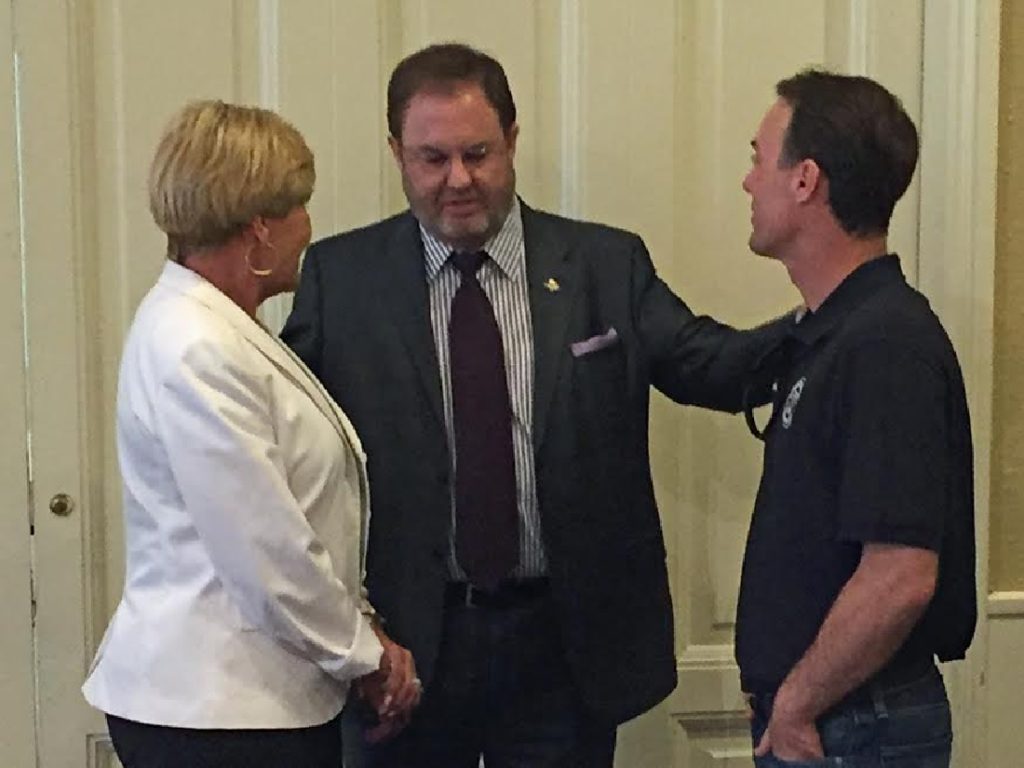
I thought about such aspects of sport while observing NASCAR personalities this week. Driver Kevin Harvick and Texas Motor Speedway President Eddie Gossage both attended the Fort Worth CVB’s Sports Huddle luncheon at the Fort Worth Club. NBC-5’s Newy Scruggs moderated a discussion with the duo, but the sportscaster largely got to save his voice for his on-air work. Harvick and Gossage had no problem carrying the discussion, and the most entertaining parts came from their back-and-forth banter.

Much of the jabber revolved around Harvick’s failure to win a top-tier race at Texas Motor Speedway. He has twice finished as high as second in the track’s Sprint Cup event and has won five Xfinity Series races and a Camping World Truck Series contest.

The exchange went like this :

Scruggs:  Eddie, if he likes you, he has some little way of messing with you a little bit. I think all of us who have been around him know that. Kevin, I know Eddie likes to hit you with the fact that, hey, Victory Lane is open for you for the Sprint Cup series. It’s been open for you for the truck . . .
Harvick: At some point (after winning a TMS Sprint Cup race), I’m going to park my car outside on pit road and I’m just going to go home. It’s so normal for me to not be there at this particular point, I figure what the hell, might as well just not even visit it. If we take the checkered flag, do we get disqualified if we don’t show up to Victory Lane? I’m going straight upstairs to champagne toast.
Gossage: You want the cowboy hat and the six shooters, don’t you? Then get your little heinie in there.

Gossage went on to explain how he revisits his running joke at least twice yearly, incorporating his track’s traditional winner’s reward of revolver fire and a Charlie 1 Horse lid.

Gossage: I always cross paths with him (Harvick) somewhere on race day and I always say to him, “Hey, you know we’ve got a Victory Lane after this one, too, and I’ve got a hat and six shooters that’ll fit you if you want it. Just come in and get hot when it’s over.”
Harvick: I don’t think he’s ever going to invite me to any more events if we ever win because he won’t have anything left to . . .
Gossage : I’ll have no material.
Harvick: He’s going to be out of material. Either that or my motor home’s going to be up on jack stands when I get there, with no wheels on it.
Gossage : Don’t tick him off. He’ll hit me, I’ve seen that stuff before, too. Let’s talk about Richmond. You and Ricky Rudd . . .
Harvick: Which time?

Both men have occasionally created controversy for themselves by reacting passionately to perceived slights. They referenced an incident from 2003 with the now-retired Ricky Rudd, but it has not been uncommon for Harvick to get crossways with his competition.

Gossage’s own flow of ideas seems to run without a restrictor plate. Scruggs’ opening remarks included a jab at Gossage’s penchant for writing letters to media members to chide them for insufficient coverage of his facility and his sport. Gossage acknowledged the correspondence, defended it, and even referenced it later on, along with other entanglements to which he’d contributed.

Both men admitted they sometimes let their emotions get the better of them, but they also didn’t mind poking fun at themselves for it. It struck me that in a general sense, that’s what we desire from our sports figures. We want them to be intense in competition, trying to win as hard as possible, but also maintaining a sense of fun and lacking pretension. Come to think of it, we like those qualities in a co-worker, too. You want someone who truly cares about his or her job but is also pleasant to share an office with.
As someone who made his living creating TV spots that often required sports figures (who were also co-workers) to perform in a goofy manner, I really learned to appreciate people who didn’t take themselves too seriously. When a Derek Holland was happy to make fun of his own mustache (in two languages) or a Mike Modano didn’t mind pretending he couldn’t get a date, it made my job a lot easier. And our marketing team would never have done those spots if we didn’t think self-deprecating humor helped fans feel more comfortable with those players. We all generally prefer to associate with people who don’t seem full of themselves.

I don’t truly know at all if either Kevin Harvick or Eddie Gossage are good guys or bad guys or in between. I have interacted with Harvick once by asking a question in a gaggle of media. I have now met Gossage once, and that was Thursday. He was friendly, thanked me for a question I asked during the media Q&A, and made a fairly standard radio host joke based on my first name. Because I hope to not take myself too seriously, I laughed at the Limbaugh quip and added some lame rejoinder.

General unpretentiousness doesn’t excuse specific incidents, so if Harvick or Gossage have been in the wrong in the past or end up there in the future, we must still hold them accountable. They improve such situations, however, with contrition and by making fun of their own shortcomings.
Harvick came up short this past weekend, finishing tenth in the Duck Commander 500. We can only hope he continues to keep his perspective about the result when someone brings it up, because TMS hosts another Sprint Cup race this fall and we can be fairly sure someone will. After all, it’s some of Eddie Gossage’s best material.


Rush Olson has spent two decades directing creative efforts for sports teams and broadcasters. He currently creates ad campaigns, television programs, and related creative projects for sports entities through his company, Rush Olson Creative & Sports.


RushOlson.com

Linkedin.com/company/rush-olson-creative-&-sports

Facebook.com/RushOlsonCreativeandSports


Thursday, November 12, 2015

Bucket Hats Are the New Black

This post originally appeared on the Blotch page at the Fort Worth Weekly. To read it on their site : http://www.fwweekly.com/2015/11/10/nascars-knickknacks/


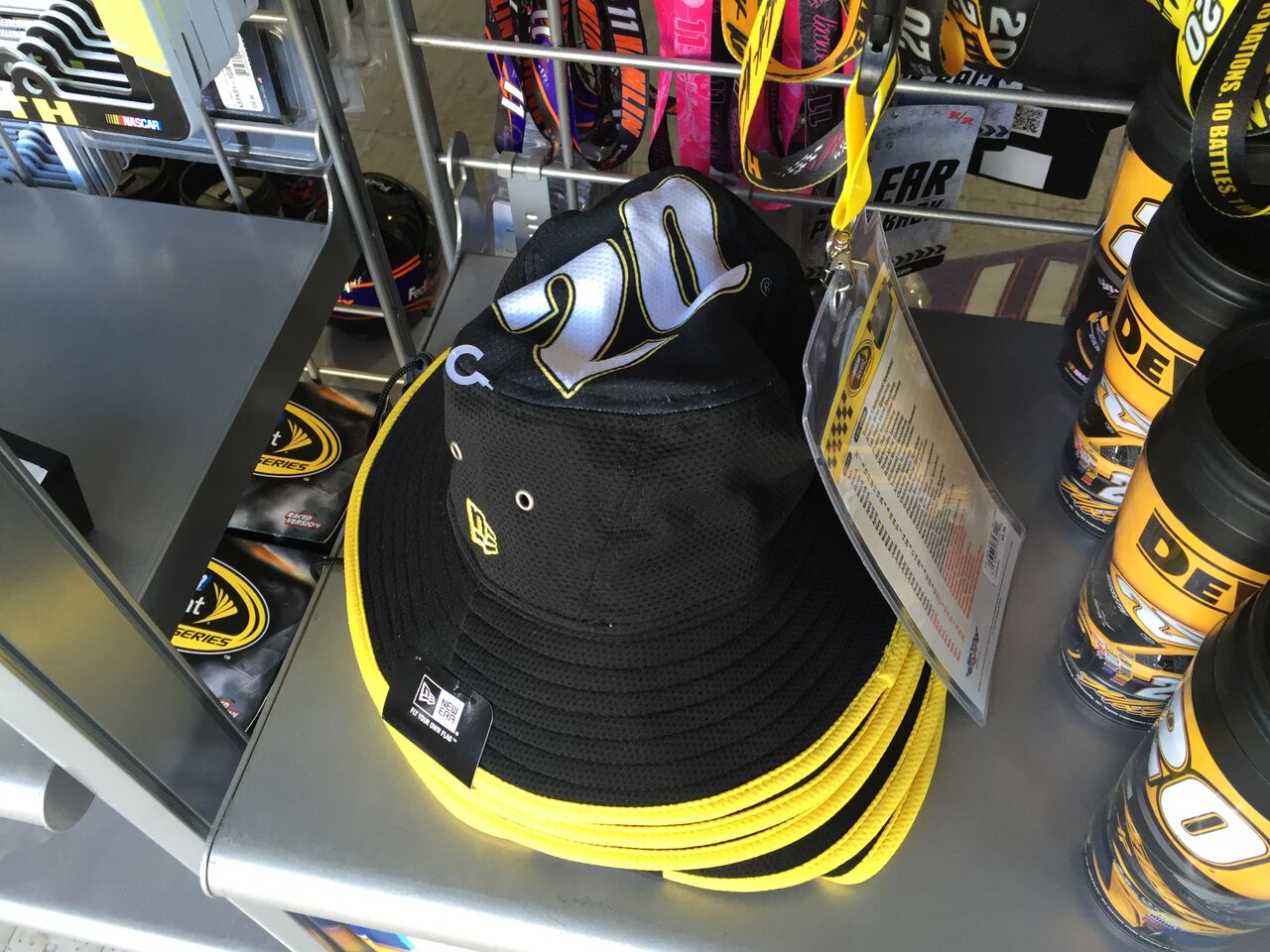
Breaking fashion news: Bucket hats are in this year.

This comes as happy tidings for those of us who have hung to ours waiting for them to re-ascend the style ladder.

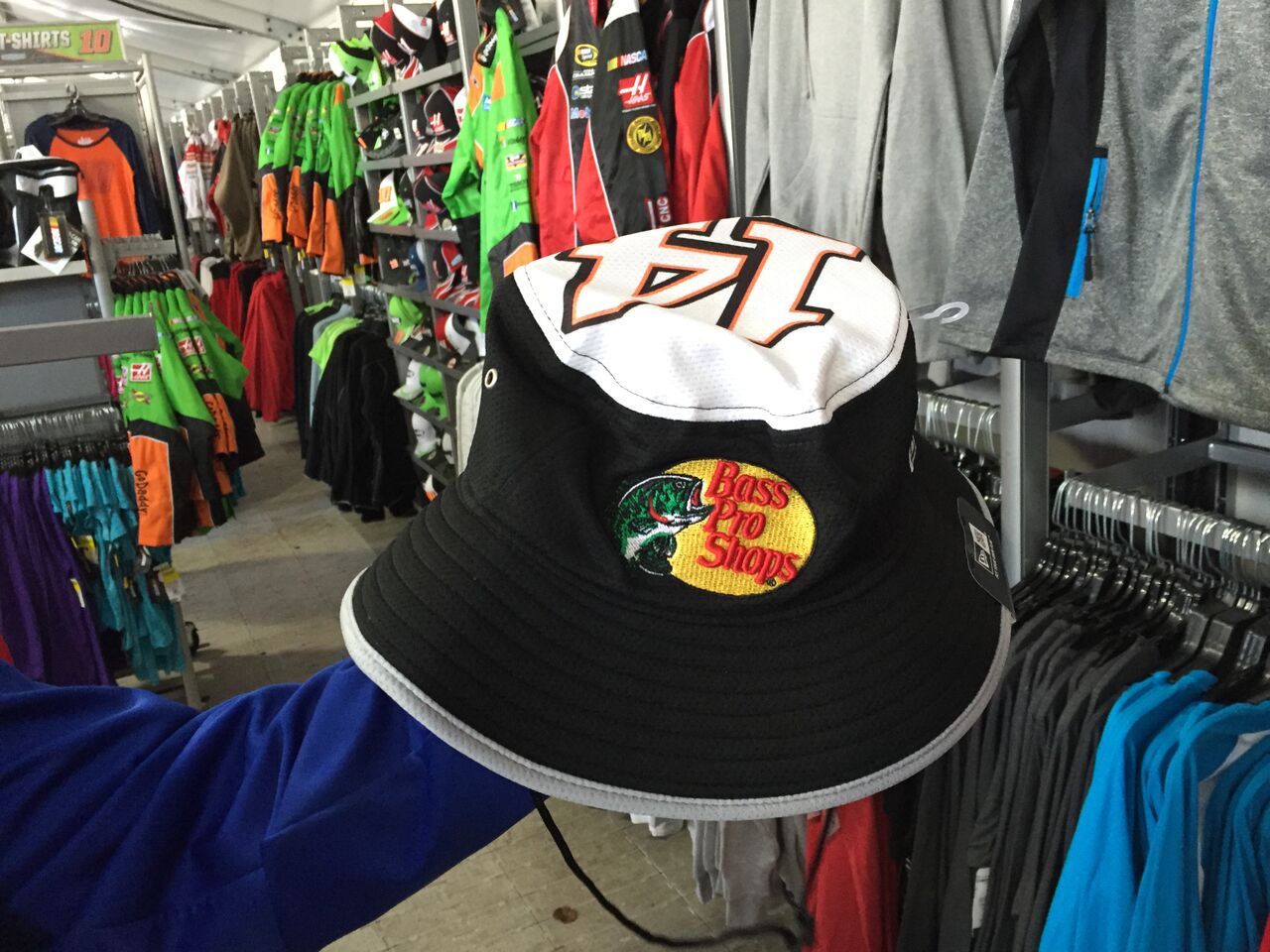
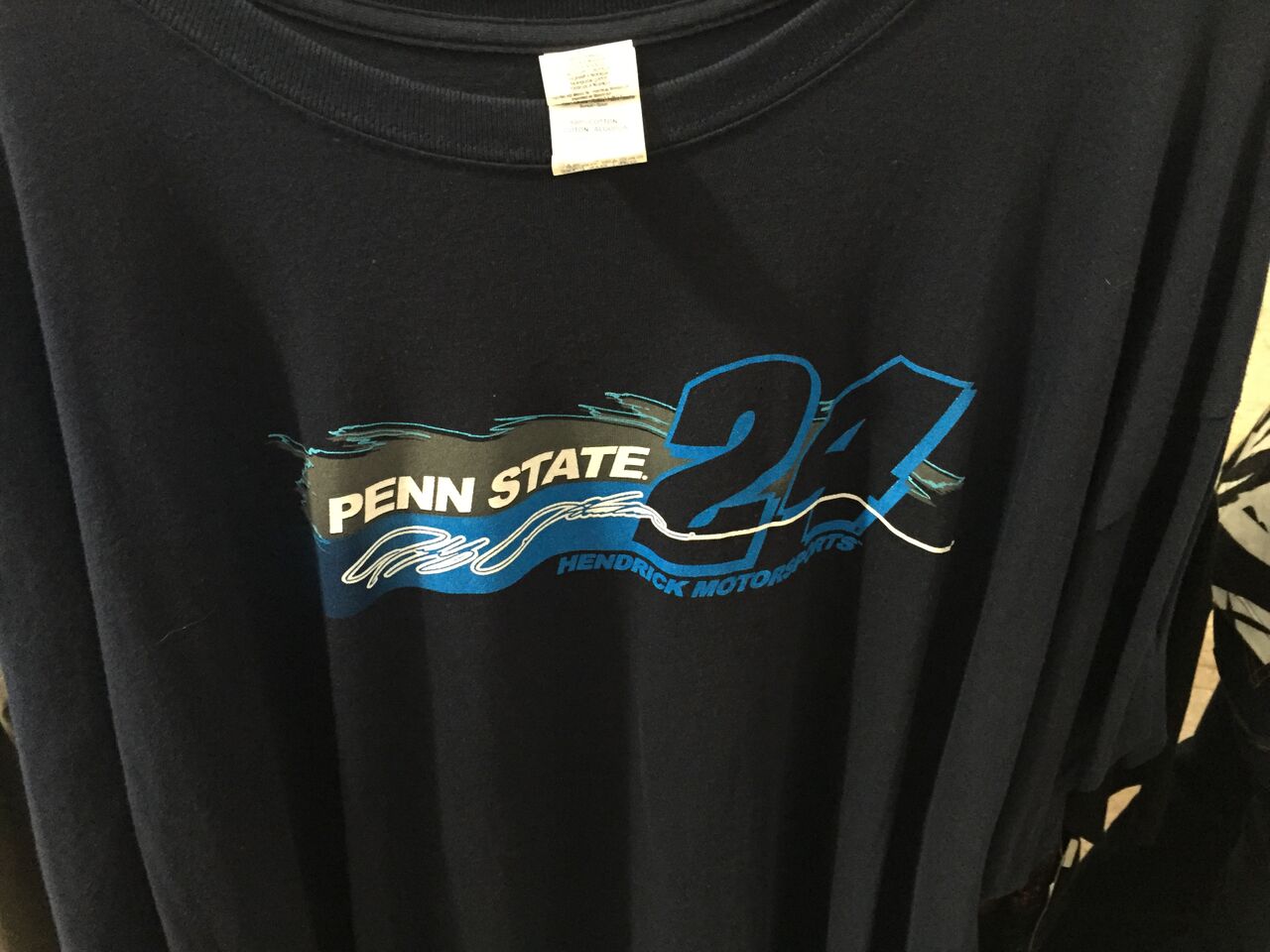
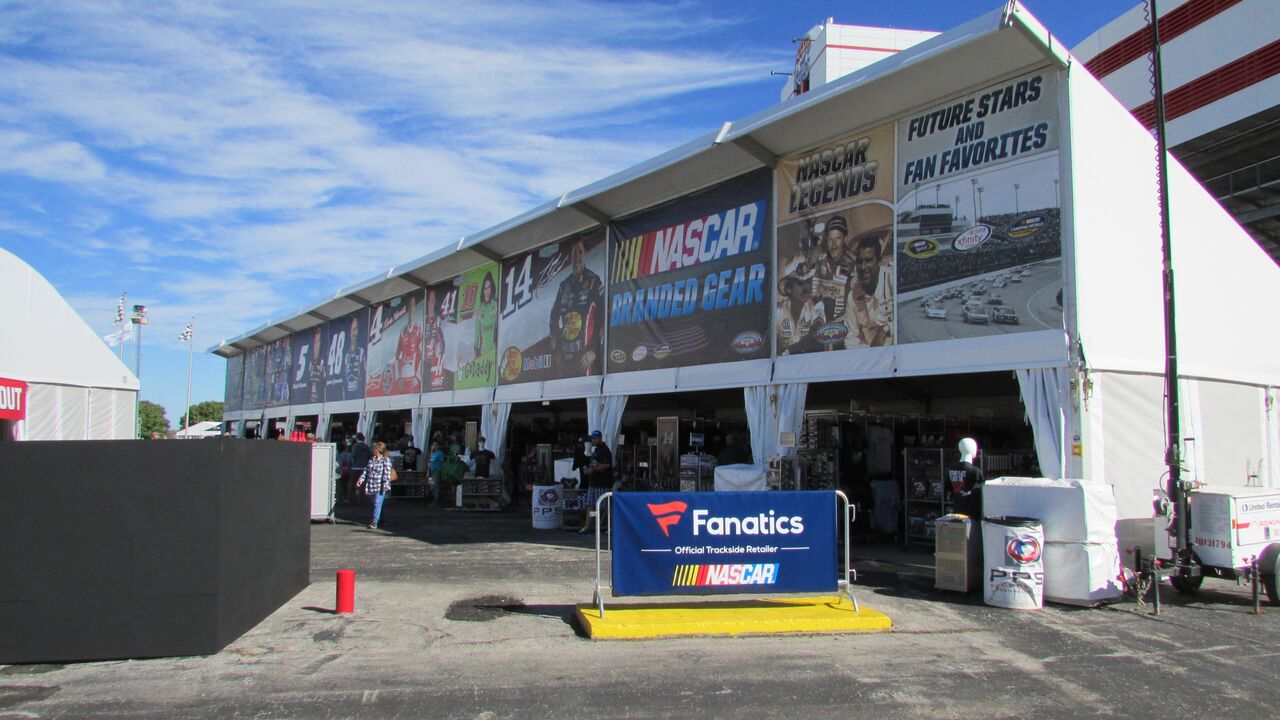
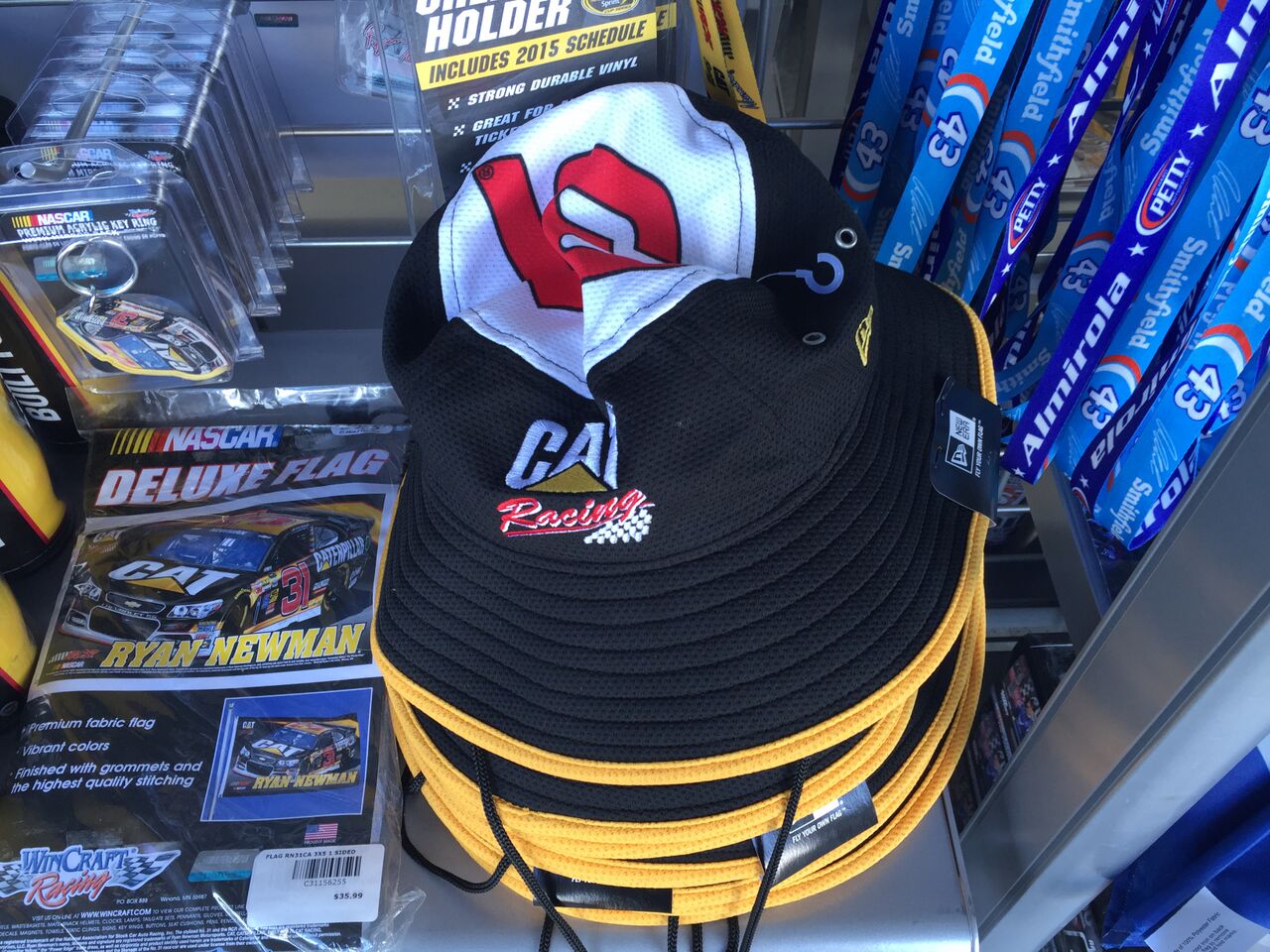
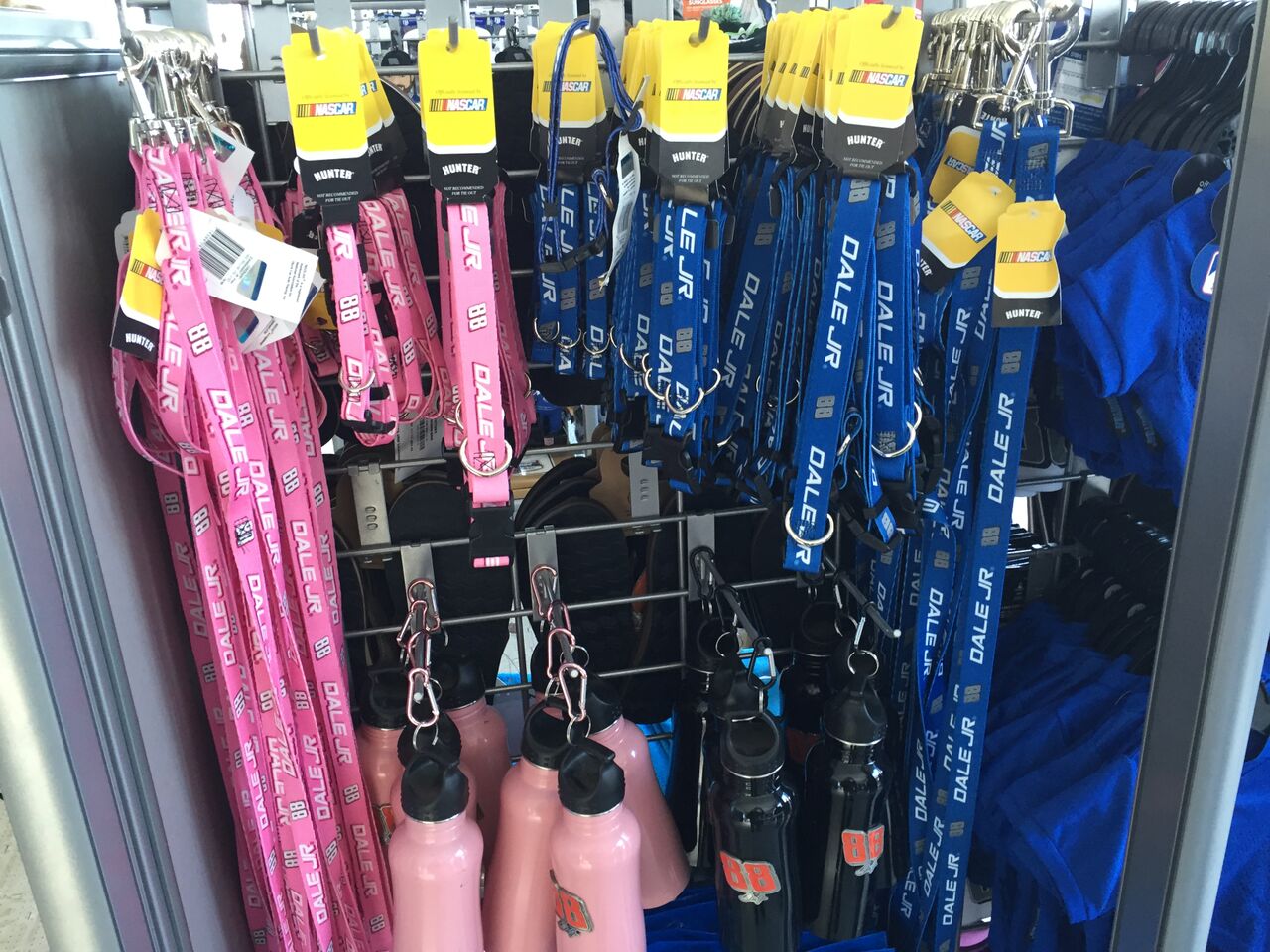
My source for this apparel assessment, Alex Dean, no doubt considers such headwear especially fashionable if it sports a colorful number, like 31, or 20, or 14. Mr. Dean is Executive Vice President – Strategy for Fanatics, the company that runs the new NASCAR Track Superstore. Fanatics hopes to bring a high-quality retail experience to stock car racing fans looking stay on trend with, say, some Danica Patrick flip flops or a Jeff Gordon Penn State tee.
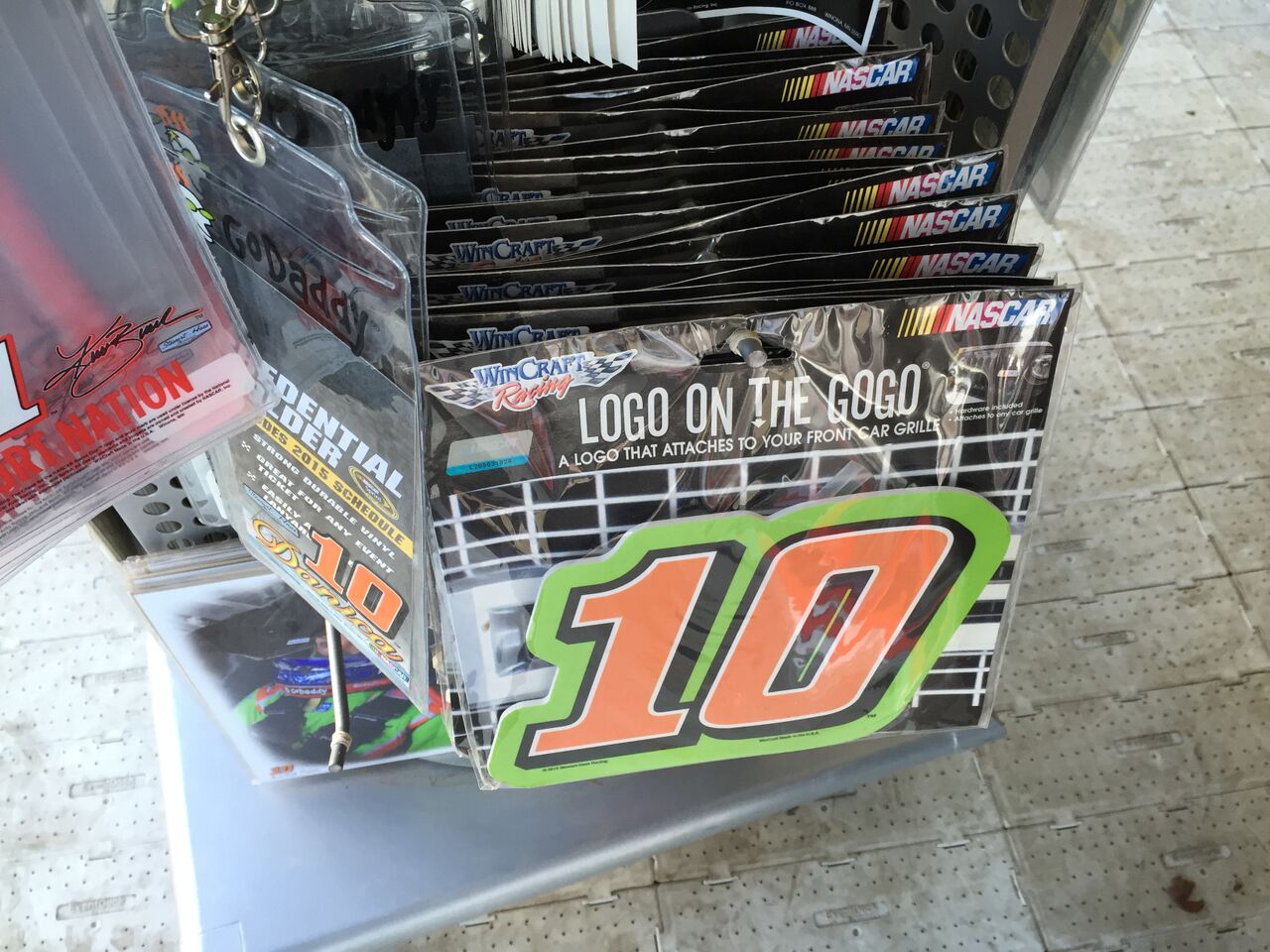


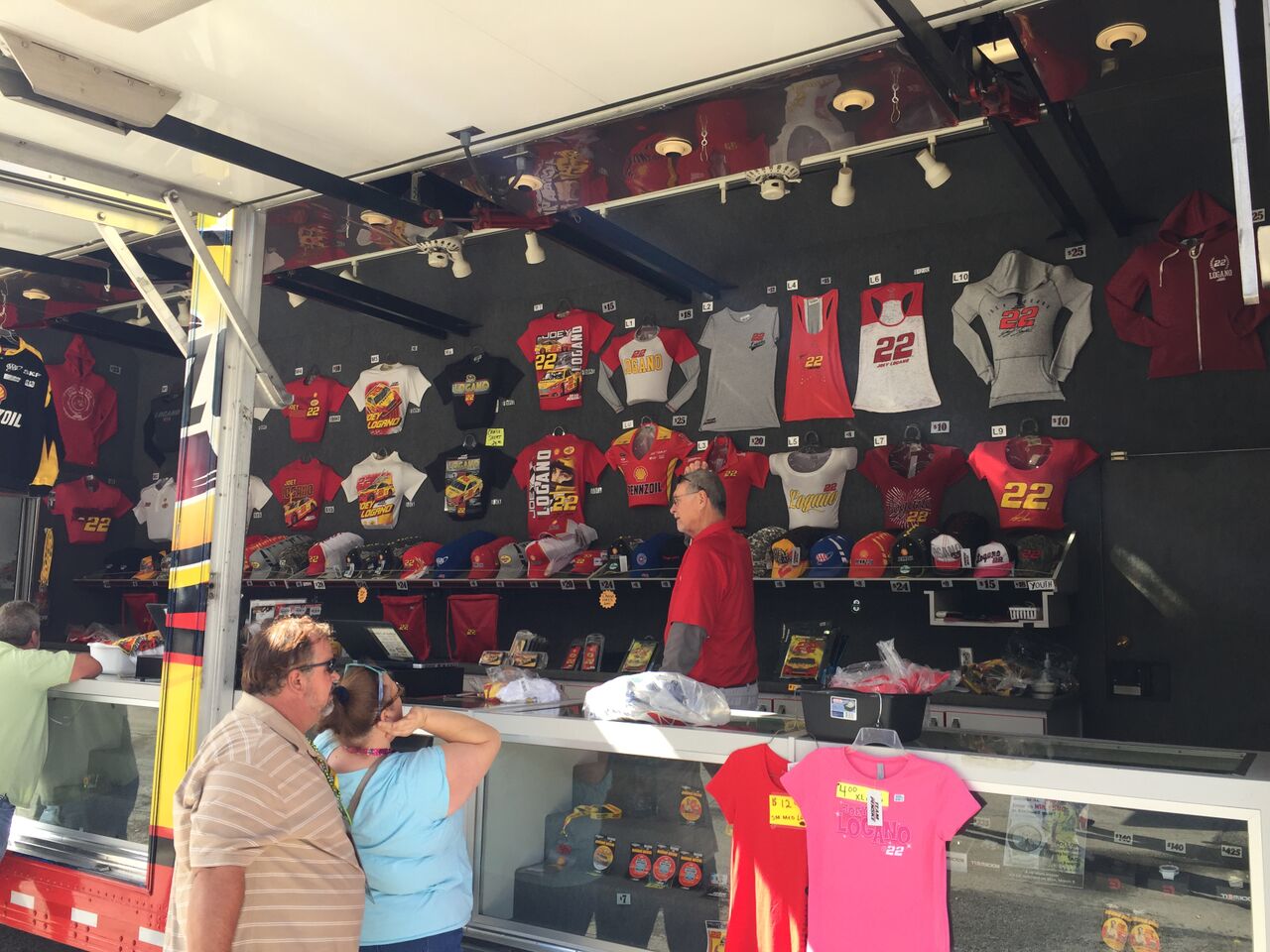
“There used to be a lot of merchandise haulers that had either single drivers or combinations of drivers. That has been phased out to be one giant superstore,” Dean explained. He hopes the new setup, organized mostly by driver, will enable fans to touch and feel more merchandise and have a speedier checkout experience.


The new concept debuted at the Pocono races in early August and visited Fort Worth’s Texas Motor Speedway last week. A huge store should conceivably offer a sizable selection. As someone whose day job revolves around doing creative work for sports entities, I was curious about what sorts of fun and innovative items might populate the Superstore’s shelves. I found lots.


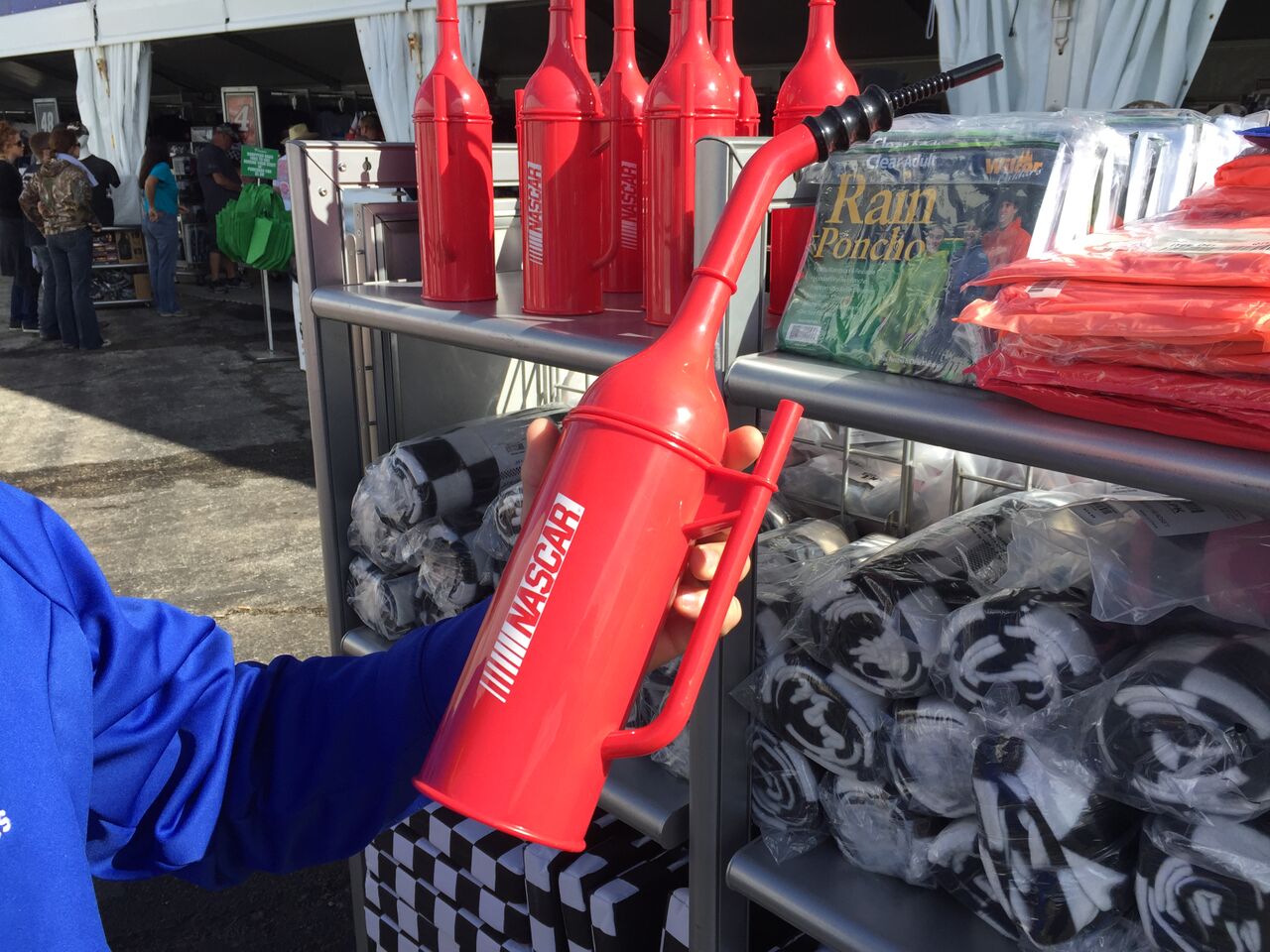
For instance, why rehydrate out of a plain water bottle when you can sip from a Fan Fueler – a replica of the gas cans pit crews use to refuel race cars. The NASCAR-logoed ones have proven popular enough this year that Dean indicated Fanatics will introduce driver-specific vessels next season.
Dean’s crew has had 2016 on their minds over the past two-plus months as they’ve tweaked their brand-new concept.

“We’re testing a lot of things right now,” said Dean. “Some things that work on Friday and Saturday don’t work on Sunday because they don’t scale due to the amount of traffic we have. We’ve done a lot of testing over this year to figure it out.”


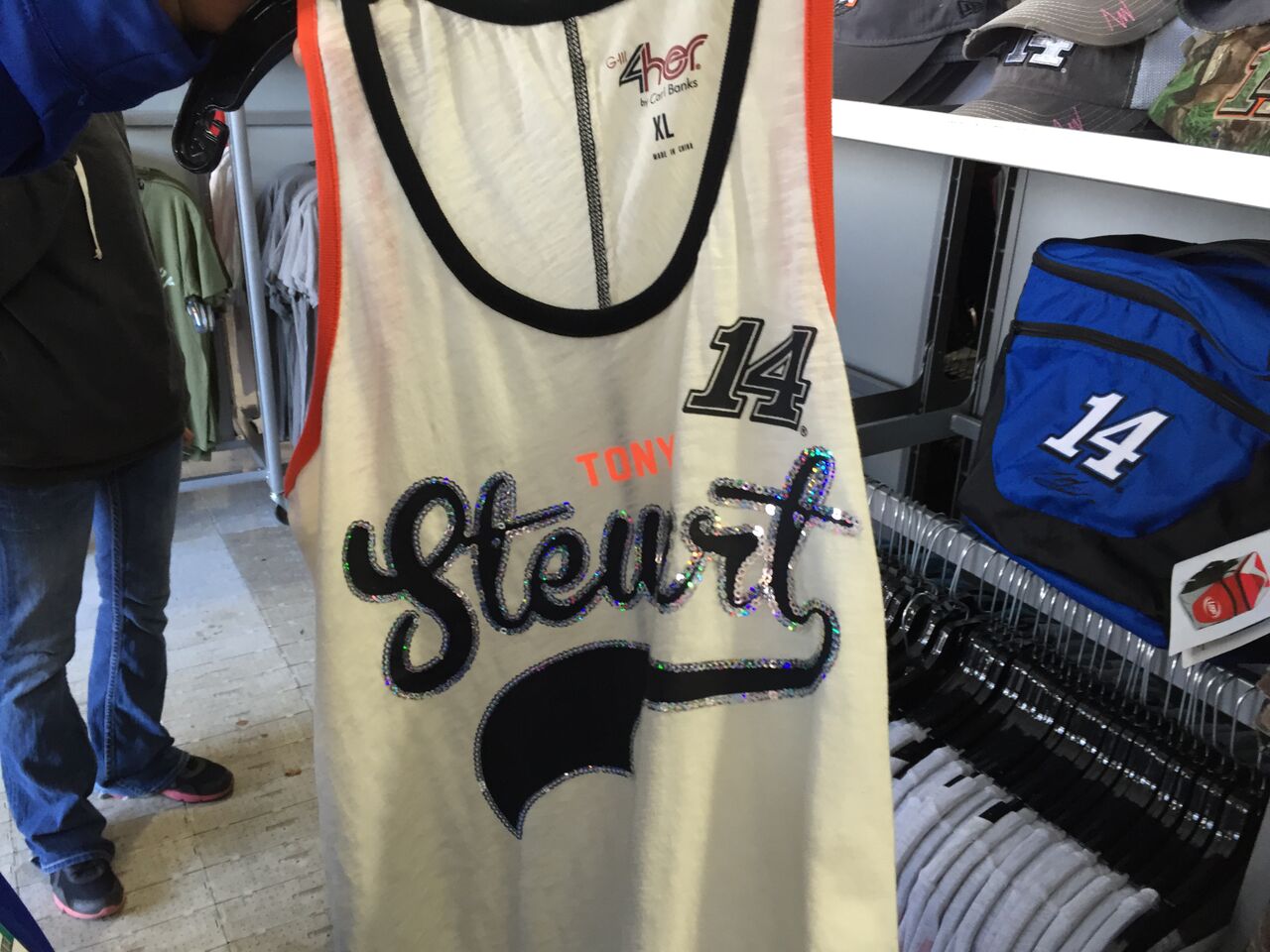
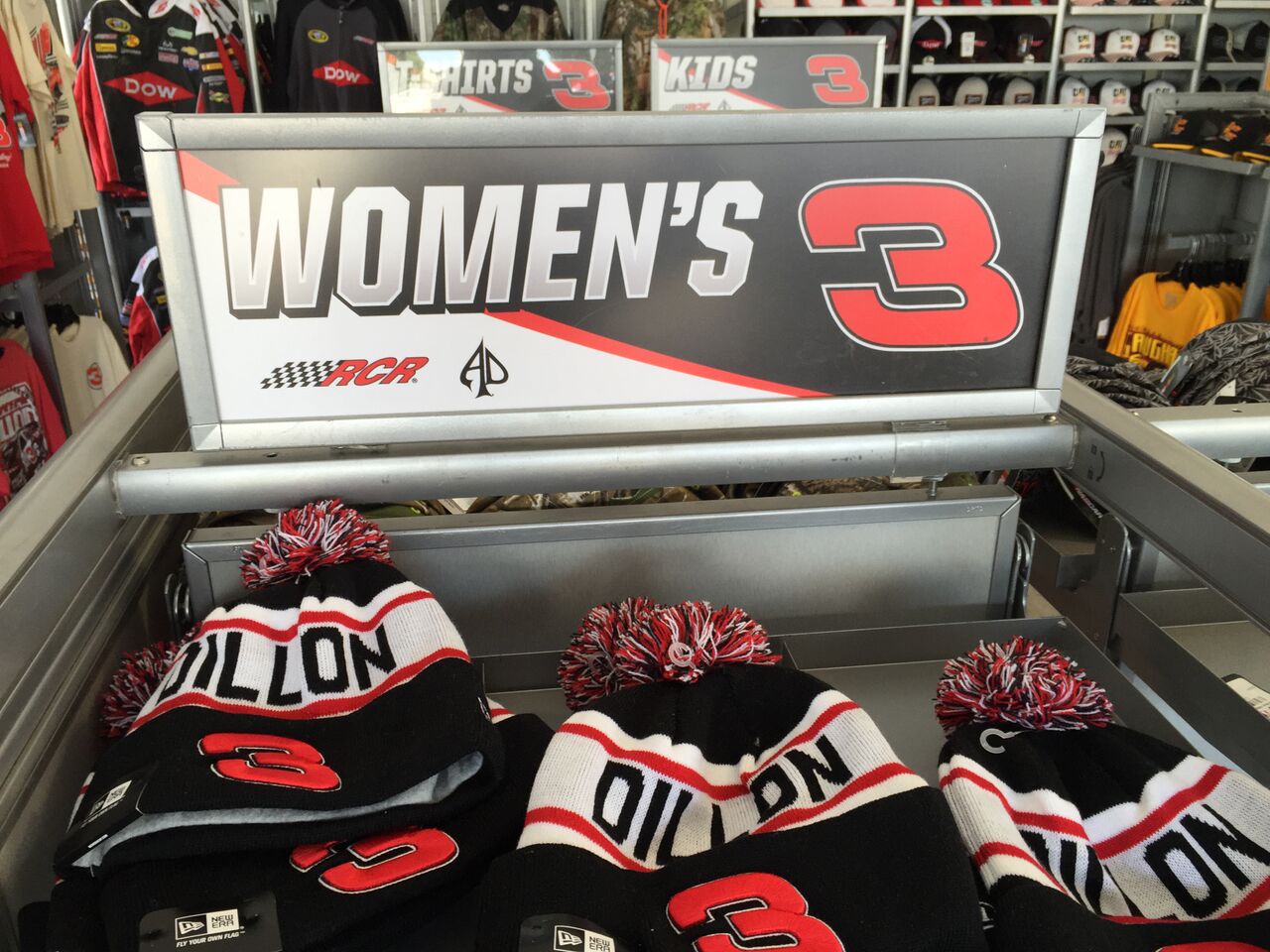
That evaluation, performed with an eye to next season’s improvements, applies to all aspects of the store, including inventory. Hence the introduction of those sexy bucket hats, which Dean called “trend-relevant.” That might not be the same thing as “in-fashion,” but I’m going with it. One focus moving forward will be on women looking for the latest fab NASCAR wear, I assume to accessorize their chic new bucket hats.


“We brought a lot of really nice women’s fashion pieces into play,” Dean said. “When they could see the quality, see the cut, they started to do really well. Unfortunately, we didn’t buy enough. We definitely sold through a lot of it and we’re making those adjustments for next year.”


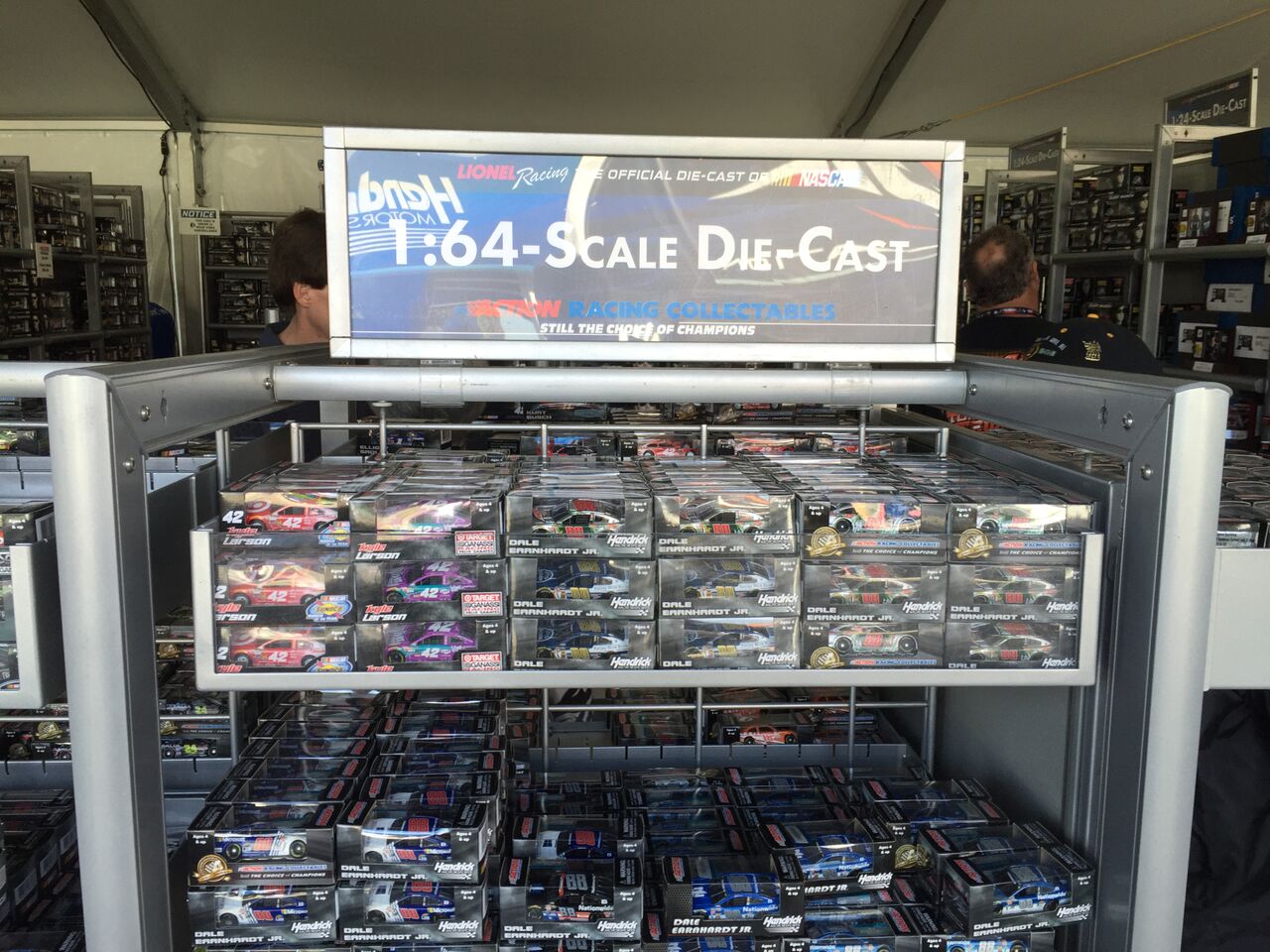
Dean cited die-cast replica cars as another beneficiary of the new system.

“We’ve seen big increases in sales in that business, partly because kids now can go and interact with the car,” he said. “If you think about the old trailer model, they could barely see over the counter. So the shopping market for children is much more engaging and we’re actually carrying a lot of drivers (cars) that weren’t represented on the haulers.”

Less well-known teams who didn’t take haulers to the tracks may benefit from the new setup.

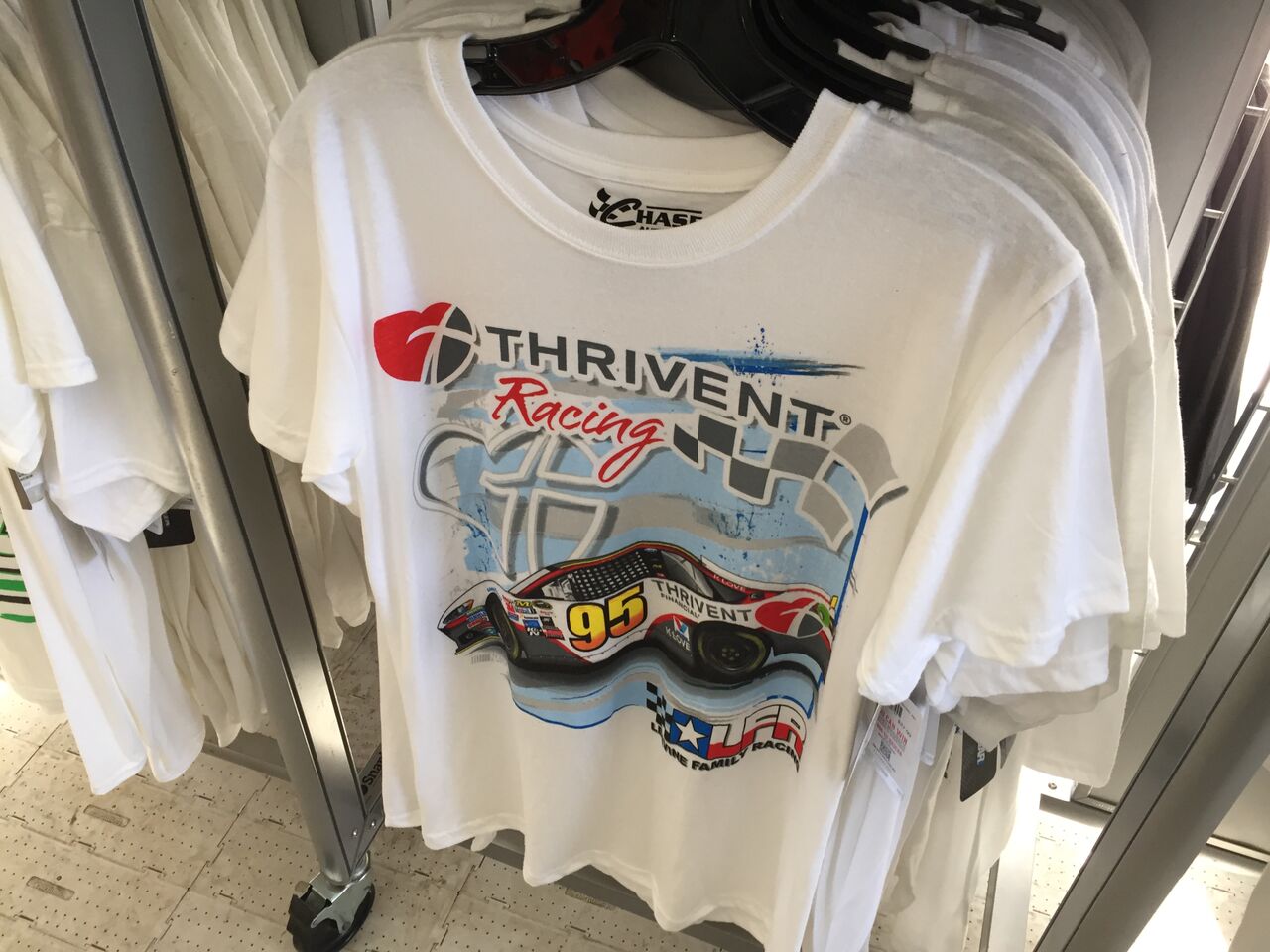
“Given the expense associated with the prior at-track merchandise model, we had virtually no presence on race weekend,” explained Don Smyle, Director of Marketing & Sponsorship for Leavine Family Racing.  “The new business model provides smaller teams the same opportunity to showcase merchandise as the much larger organizations, albeit on a smaller scale.”


Leavine Family Racing runs the number 95 car in the Sprint Cup Series, driven by Michael McDowell.

“We’ve met with quite a few of the smaller teams and Xfinity (Series) teams and we’re doing a lot of testing with drivers and they’re able to have a representation where they haven’t had it before, which is fantastic,” said Dean. “It’s good for their sponsors, it’s good for the sport, fans of those drivers, and people who wouldn’t know those drivers by name, but now are introduced to them in the retail environment.”


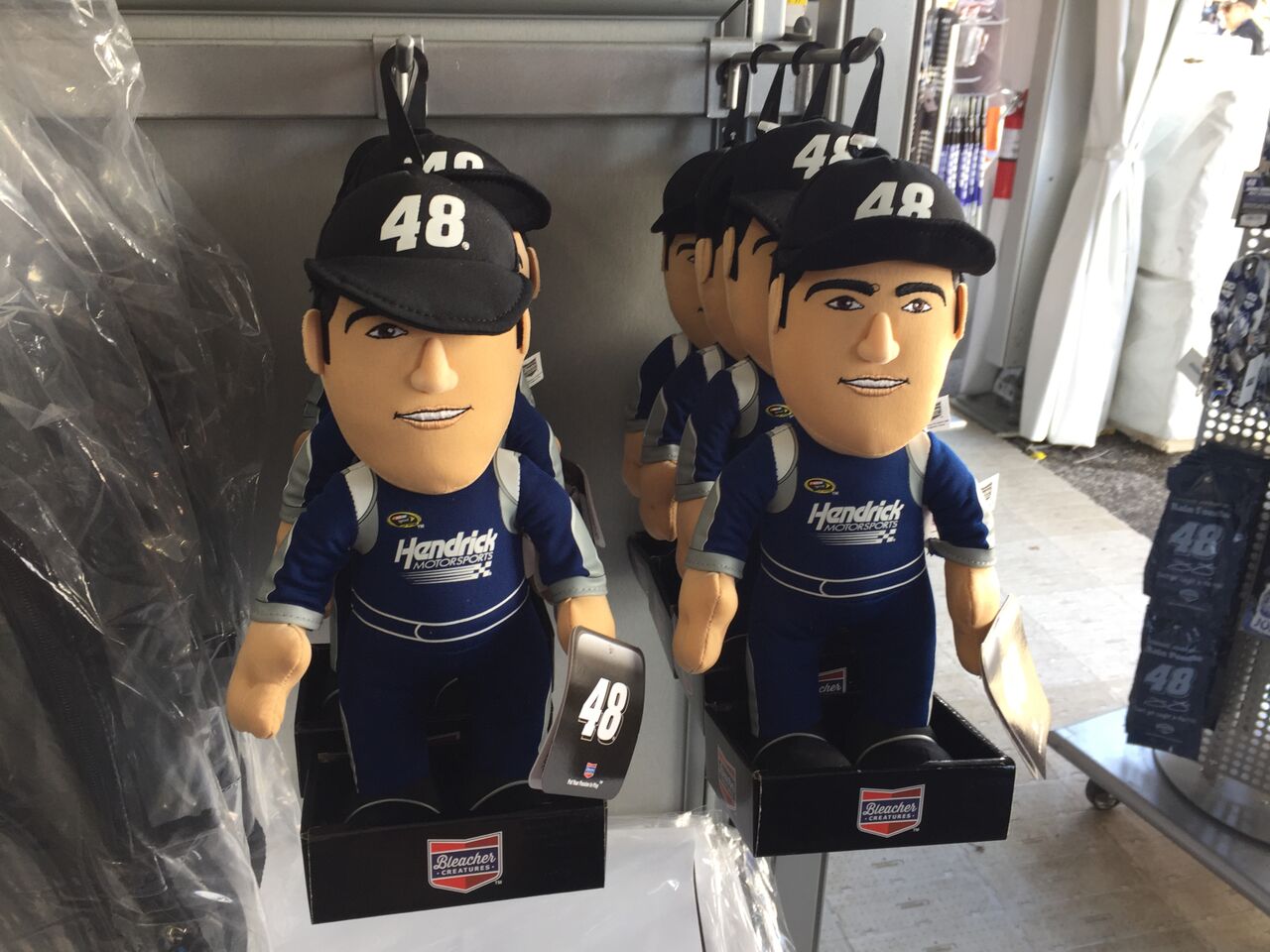
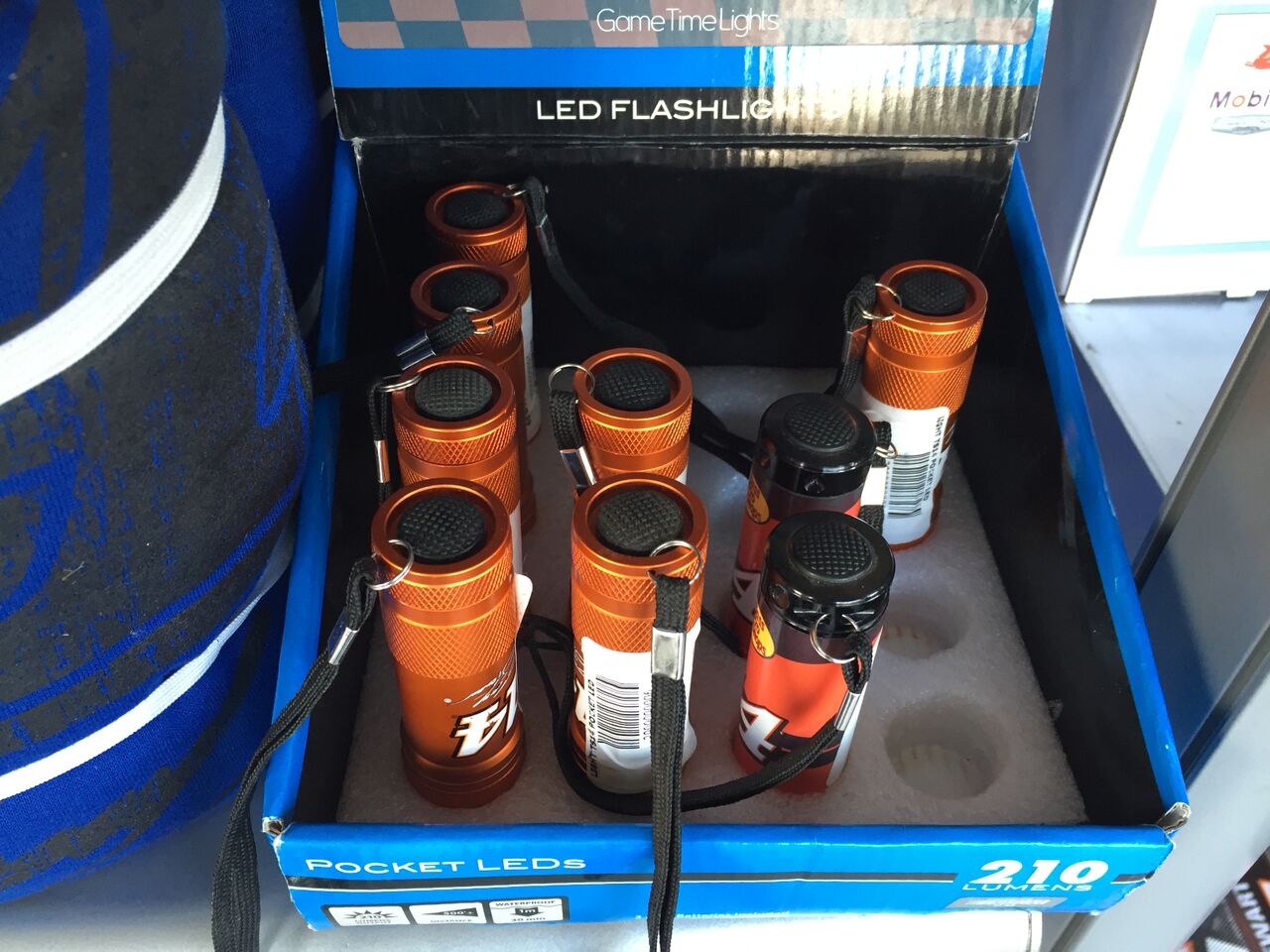
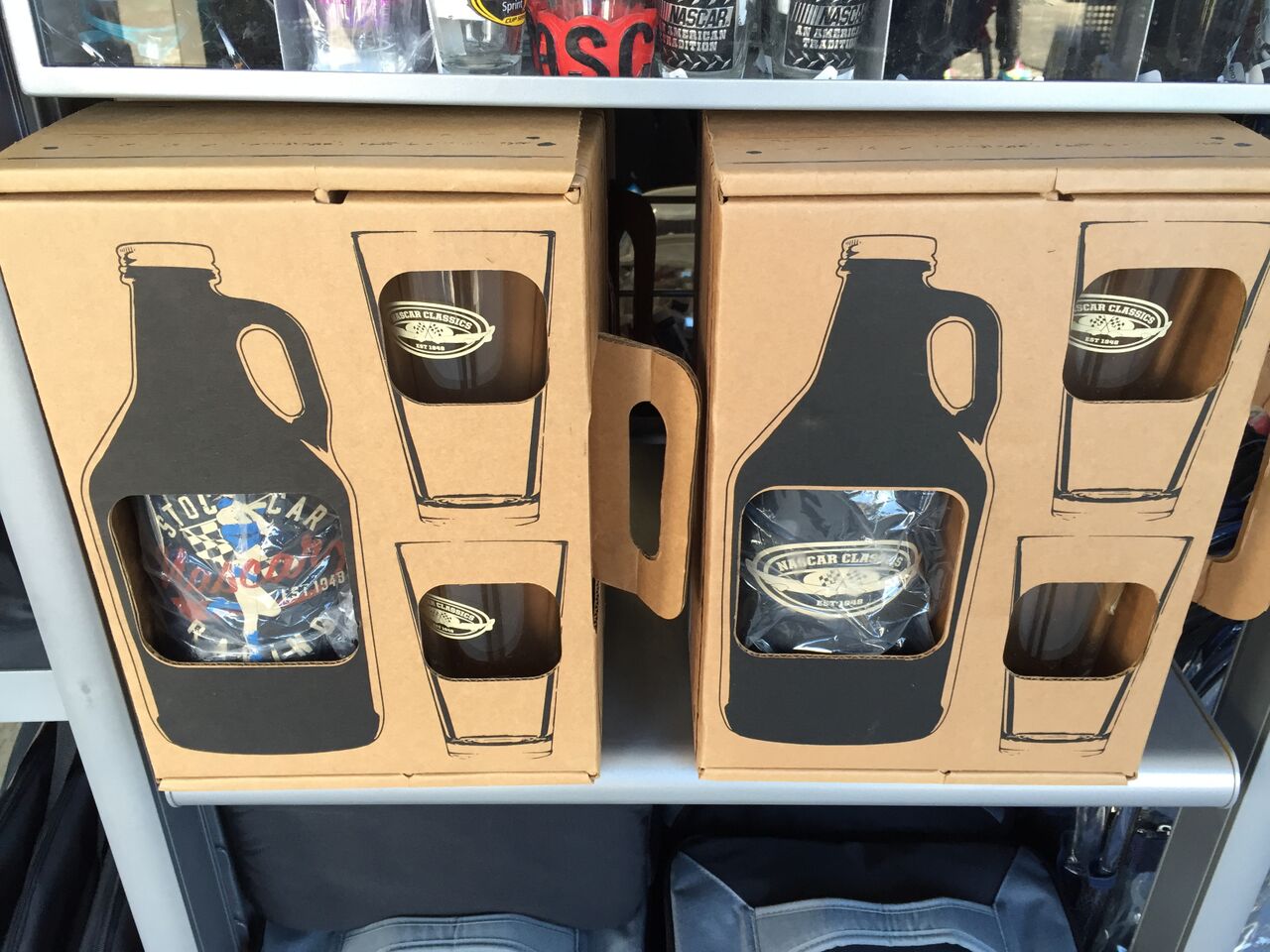
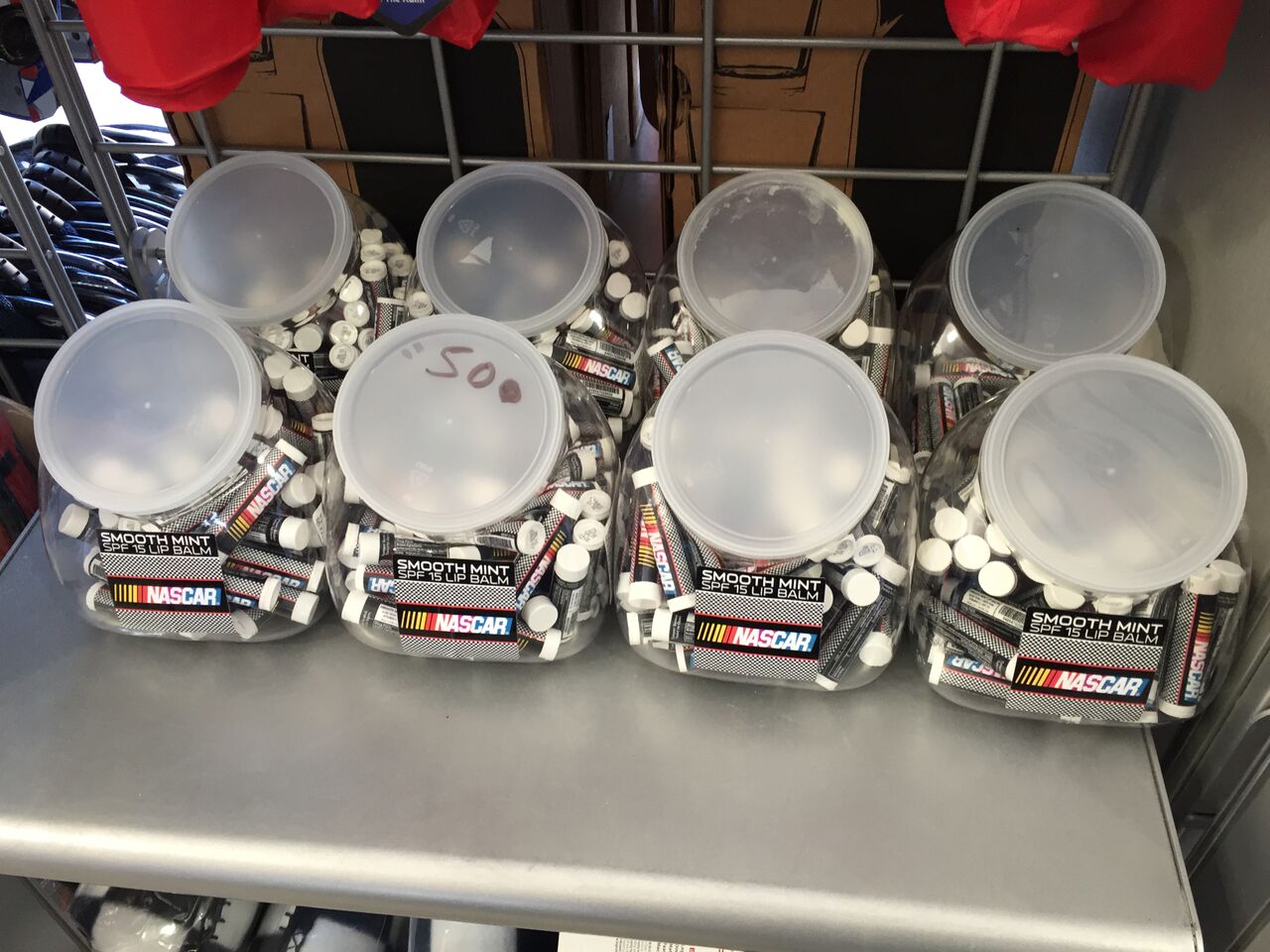
The more those drivers sell, the more of their, say, LED flashlights or plush dolls we’ll see on Superstore shelves. Not every item bears a driver’s mark, however. A growler/beer glass set or SPF15 smooth mint lip balm might bear the NASCAR logo or that of a team’s advertising partner.


“There are some really cool sponsors in the sport,” noted Dean. “The affinity may not even be for the driver, but more for the fan to the sponsor.”


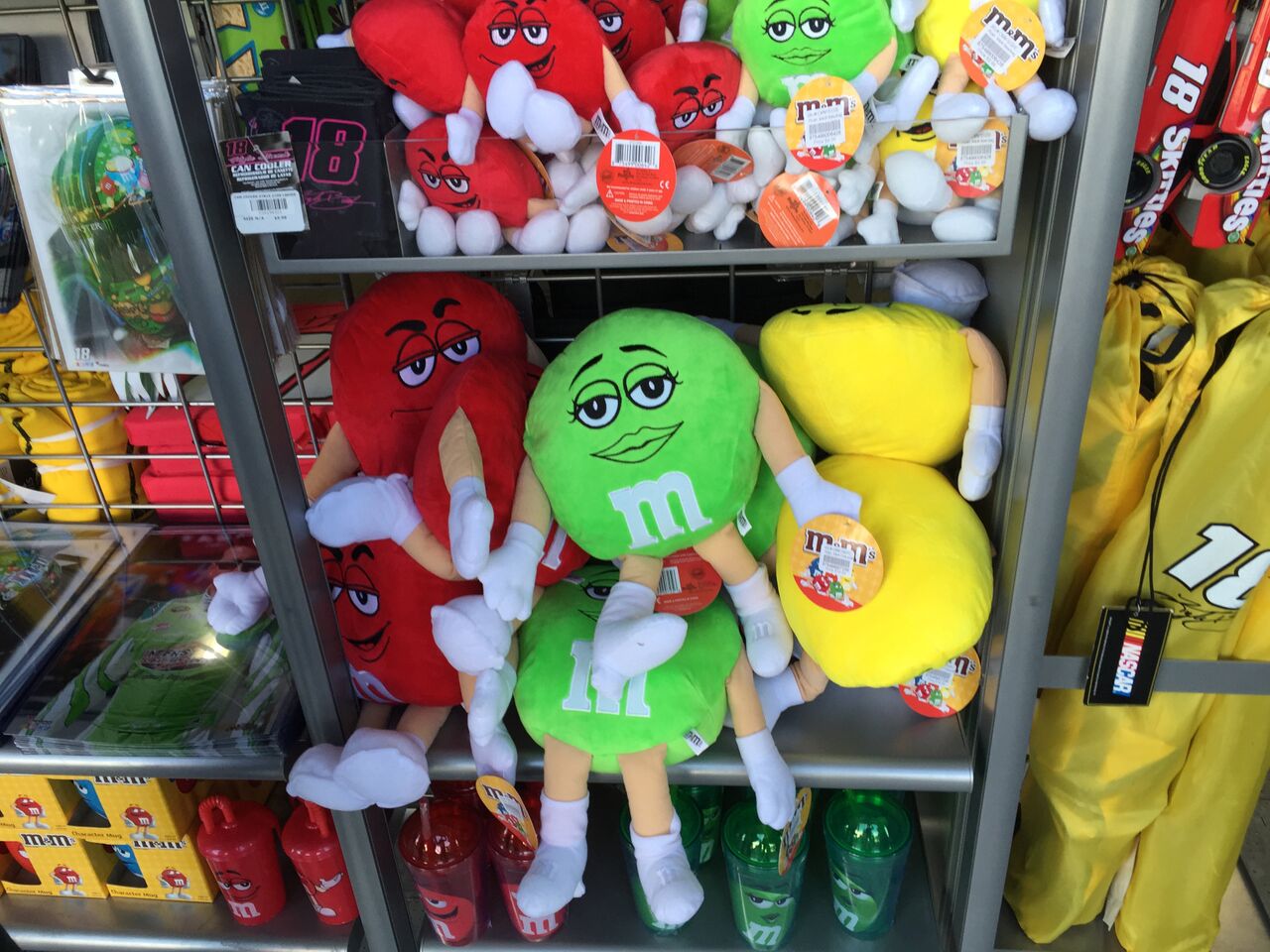
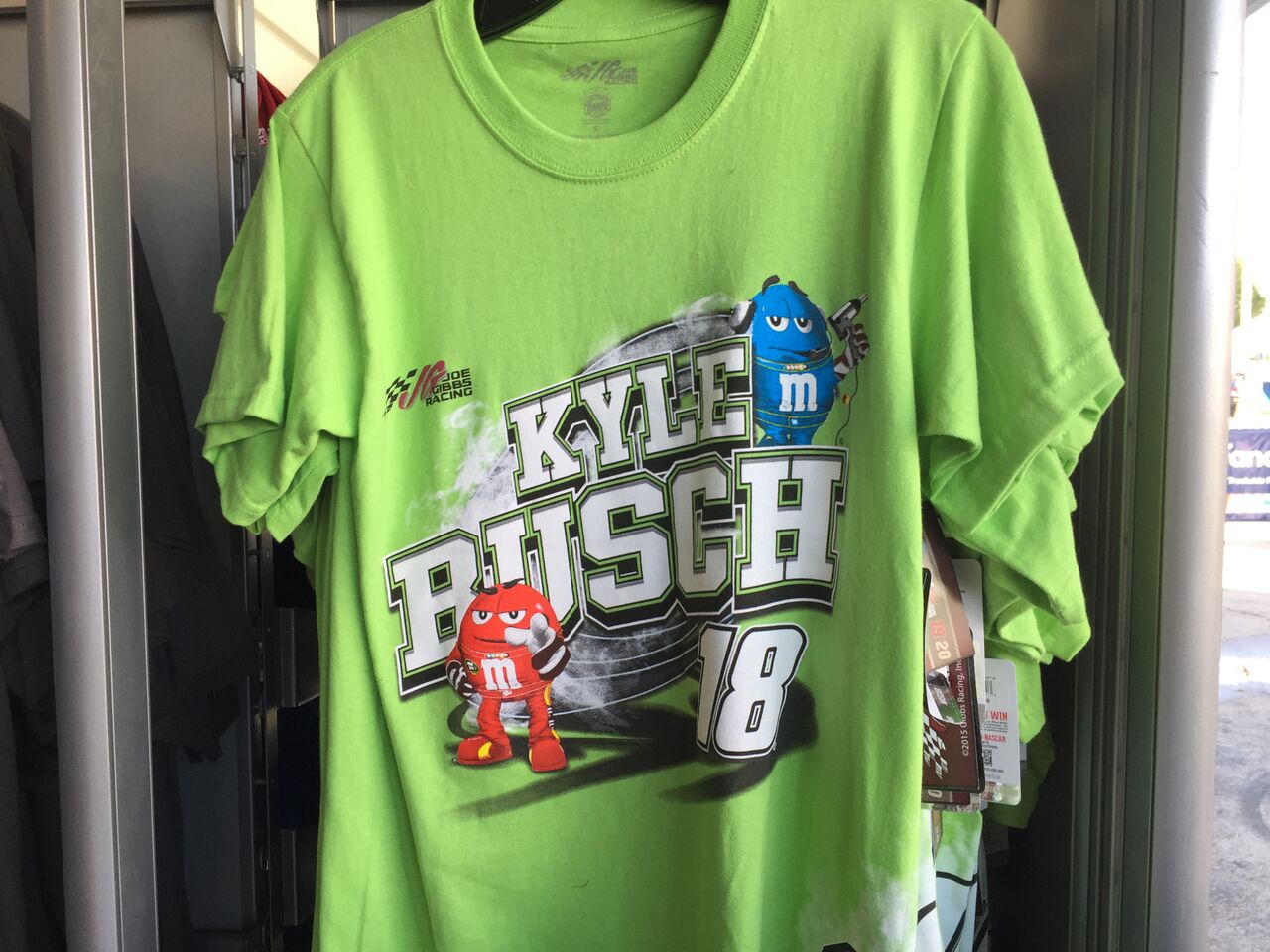
So you can get M&M stuffed toys, for instance, next to the shirts for the driver the candy brand sponsors, Kyle Busch. South of the Trackside Superstore, specialty vendors and car manufacturers maintain hauler emplacements, along with a pair of team Penske drivers whose contracts mandated they run haulers until the end of this season. Dean indicated that Ford, Toyota, and Chevrolet will move some retail product into the Superstore next year, along with the two remaining drivers, Brad Keselowski and Joey Logano.

Logano’s trailer may have gotten some extra attention this past weekend after he got tangled up in a controversial wreck during the previous week’s Martinsville Sprint Cup race.

“Performance on the track, and even, potentially, controversy on the track, drives consumer interest,” noted Dean, citing Jeff Gordon’s Martinsville win as an event likely to stoke sales in Texas.

Logano himself professed to have seen an impact on merch sales from his recent success – and altercations.

“There are more No. 22 T-shirts and Joey Logano T-shirts and hats walking around,” the driver said in his press conference Friday. “I have more fans than I’ve had before and I love it and I appreciate every one of them.”

Dean agreed that notoriety could help Logano move shirts and hats.
“It’s definitely going to drive interest and help his long-term brand, which is good for the sport and good for us in 2016.”

Logano isn’t the only competitor who may raise his merchandise profile thanks to the most recent dustup. The “Free Matt” t-shirts his suspended antagonist created are available at Matt Kenneth’s website. Online sales at the official circuit site have a role in Fanatics’ approach to its physical retail space.

For example, what if some floozy punches you with a Carl Edwards foam fist so she can grab the last pair of those steering wheel earrings you had your eye on? Dean has anticipated such a possibility (okay, maybe not that one specifically).

“Fanatics runs and powers NASCAR Superstore on nascar.com. Those two businesses are going through a kind of a merging process right now,” he said. “If they can’t find what they are looking for here, we also have free shipping coupons that we give them so they can get it online and not have to pay any shipping, so it would basically be the same price as it was at the track.”


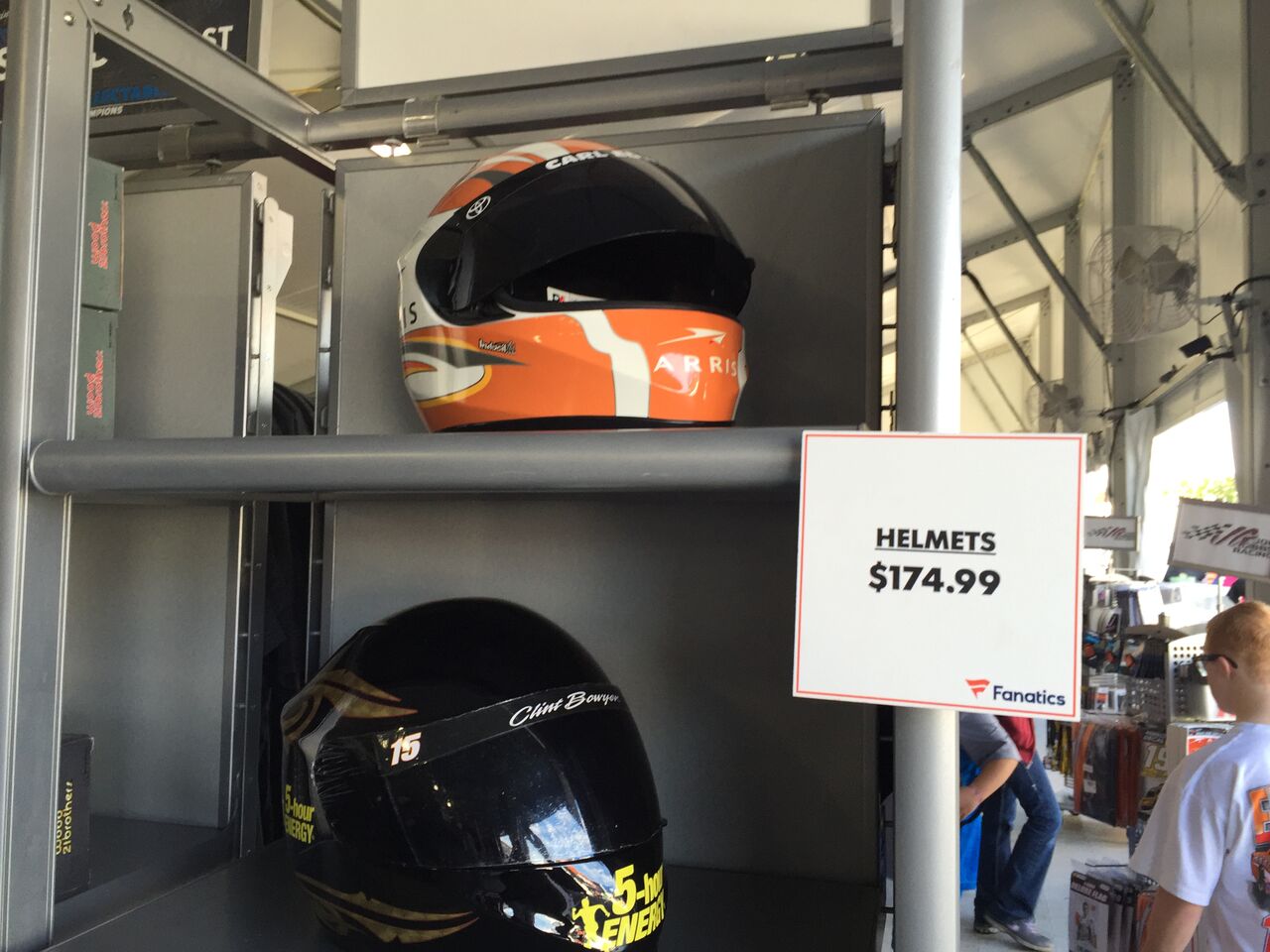
Thus you can get your replica helmet without much hassle – just heed the on-product warning: ”Collectible helmet only. Not intended to be worn.” You should also find ample supplies of traditional NASCAR items, like Total Print T-shirts.


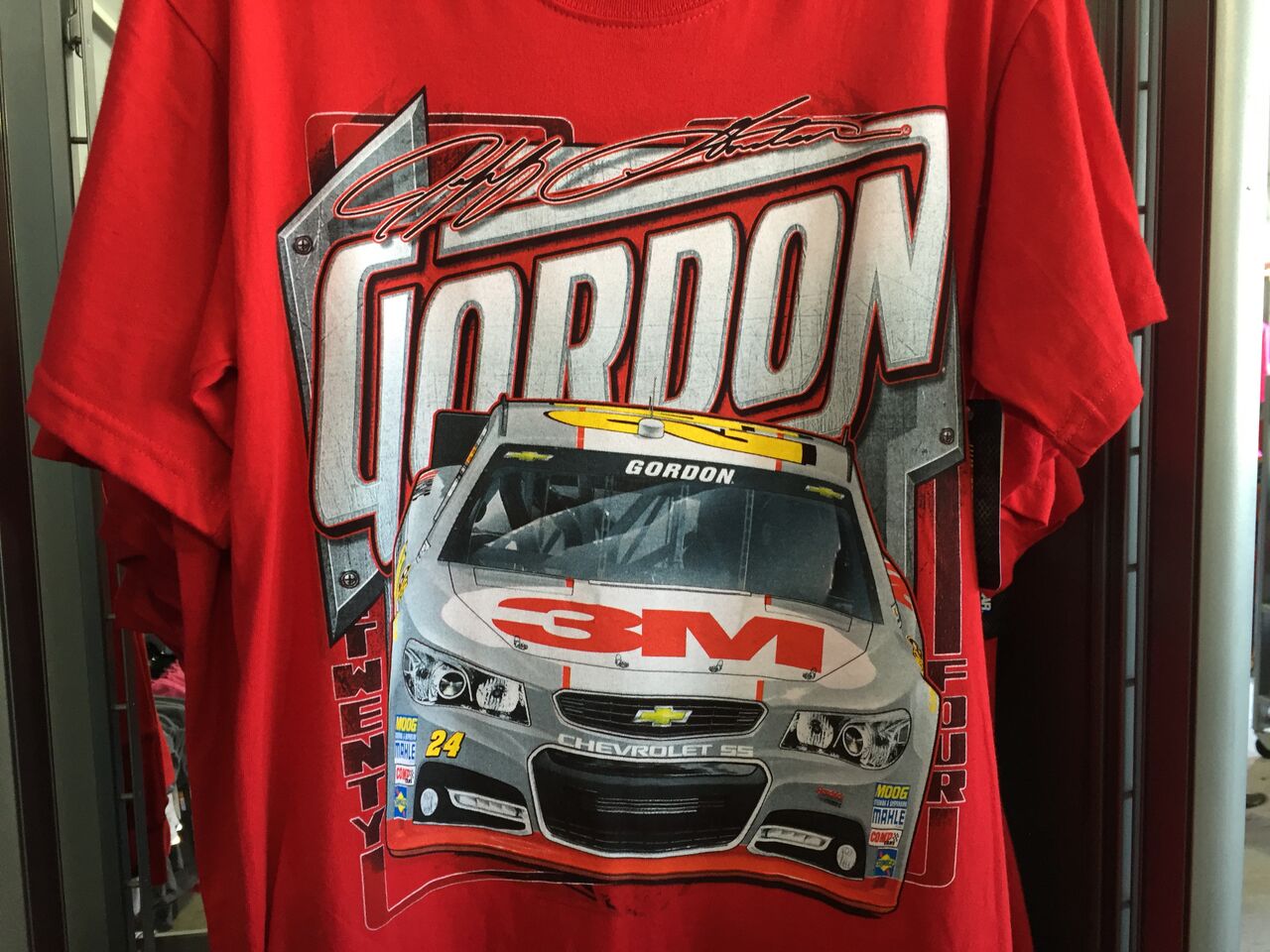
“This is NASCAR loud and proud,” said Dean of the shirts boasting a front filled with art. “This was the number one seller on the trailers and it is still close to number one.”


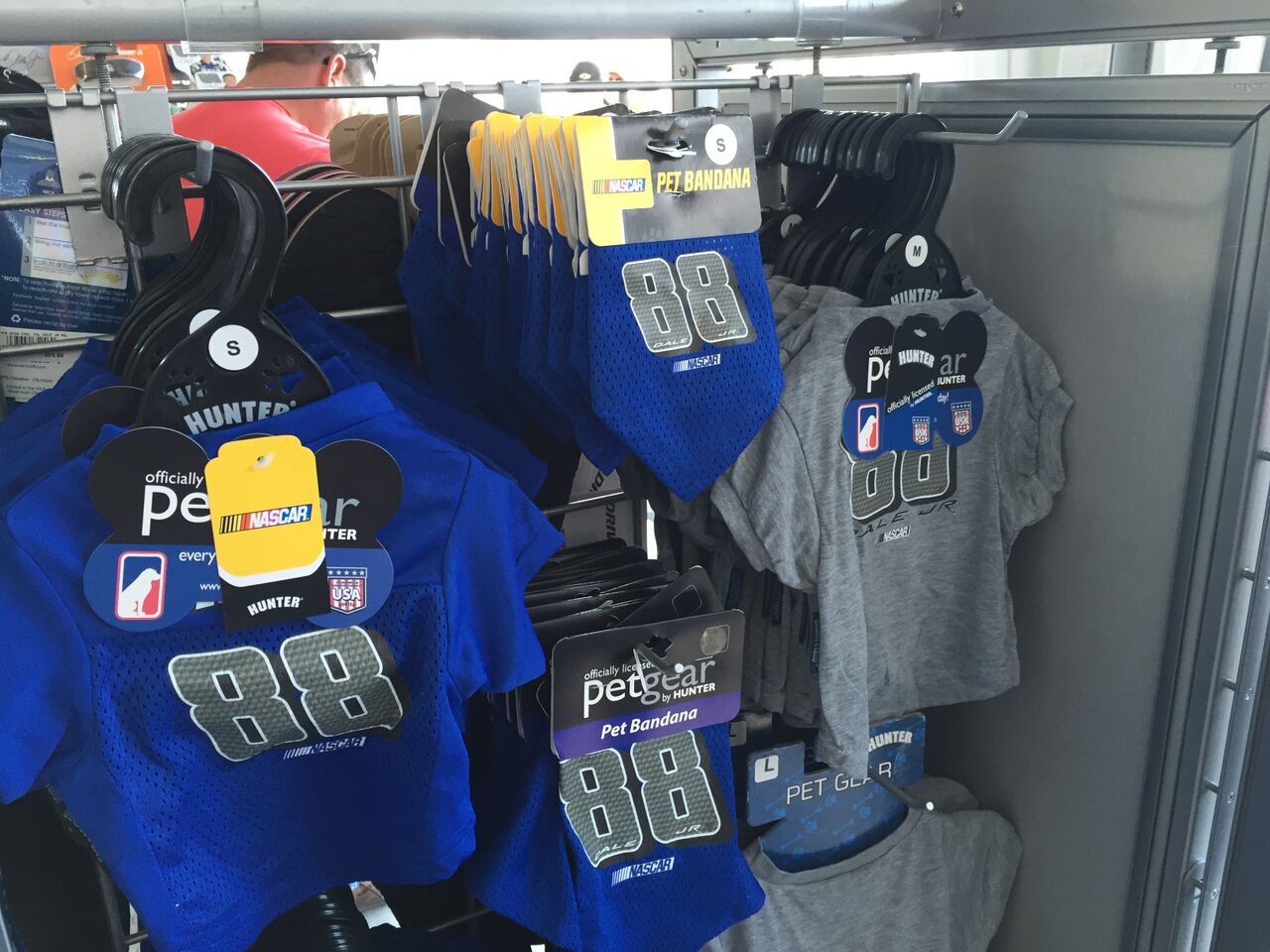
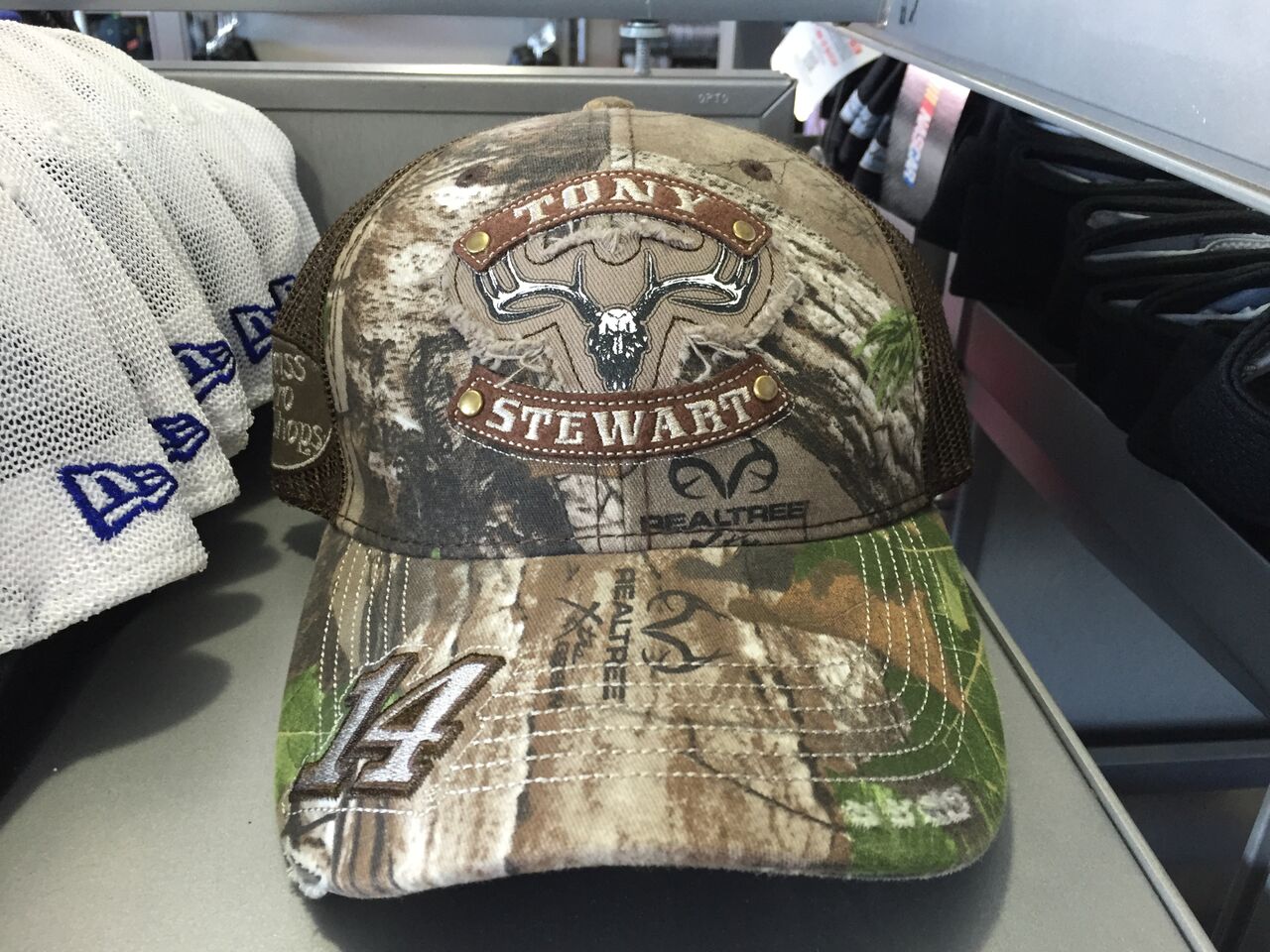
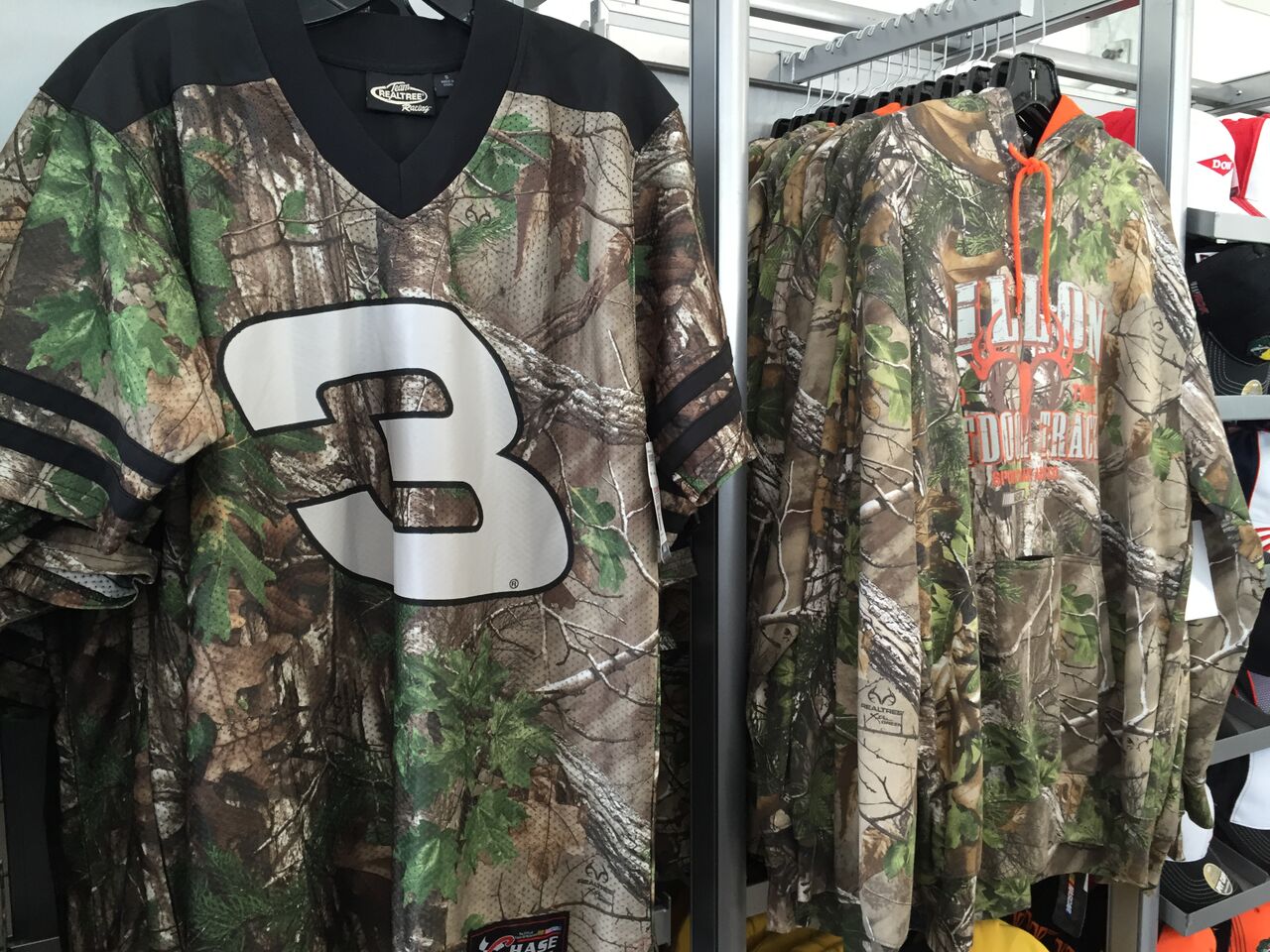
I saw a few patrons browsing the shelves accompanied by their dogs. Your hound can pick out her own leash or water bottle from the shelves stocked with pet apparel. If you bring your hunting dog, that’s so much the better. You can find plenty of camoflauge patterns and other gear designed for the outdoors enthusiast.


“There’s a big crossover between the NASCAR core consumer segment and hunting,” Dean pointed out.


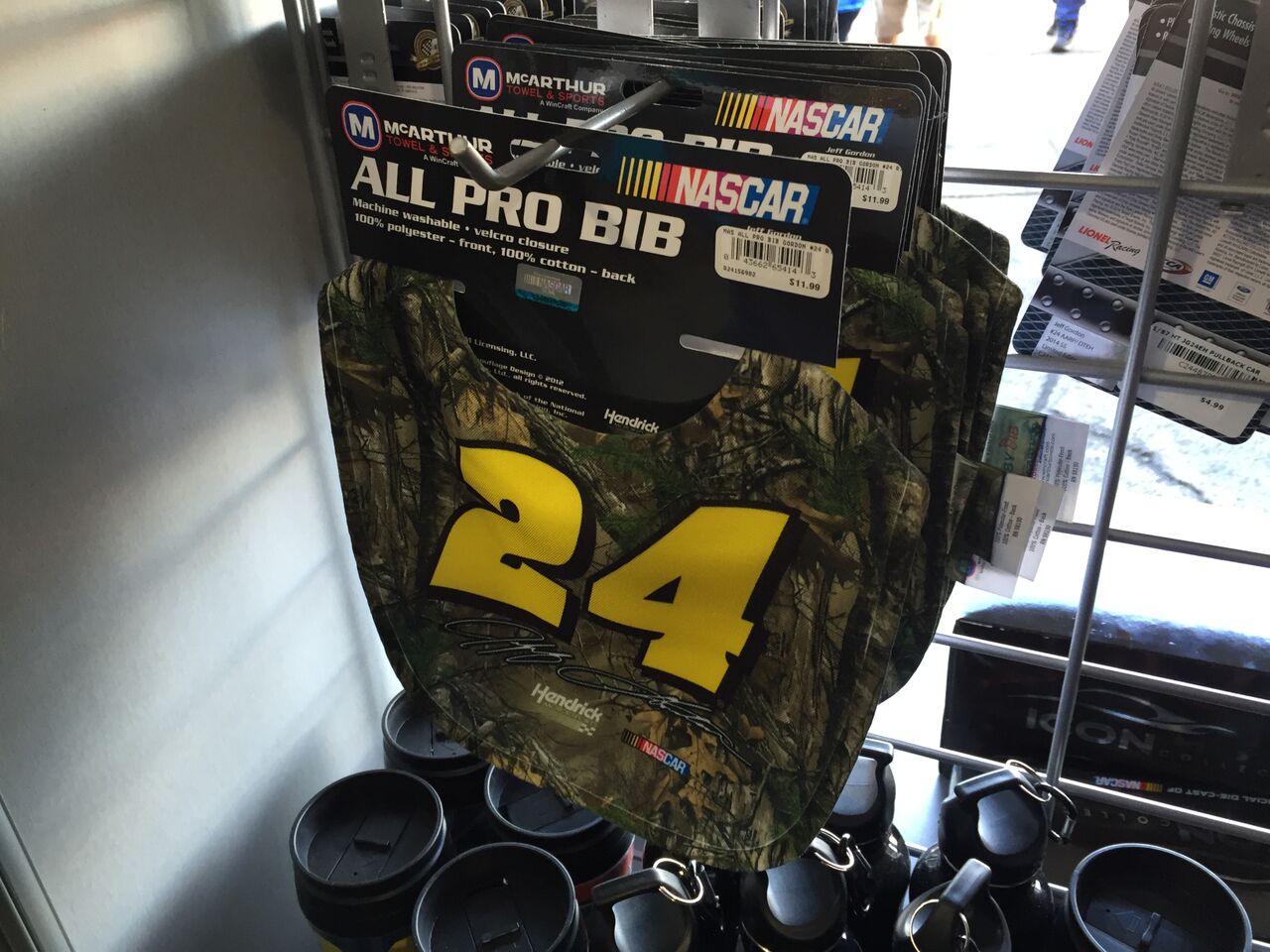
Let’s say you need to feed your baby and you don’t want to drip pea puree in your deer blind. You can get a Jeff Gordon camo bib so the little guy can neatly eat while also evading detection by nearby whitetails.


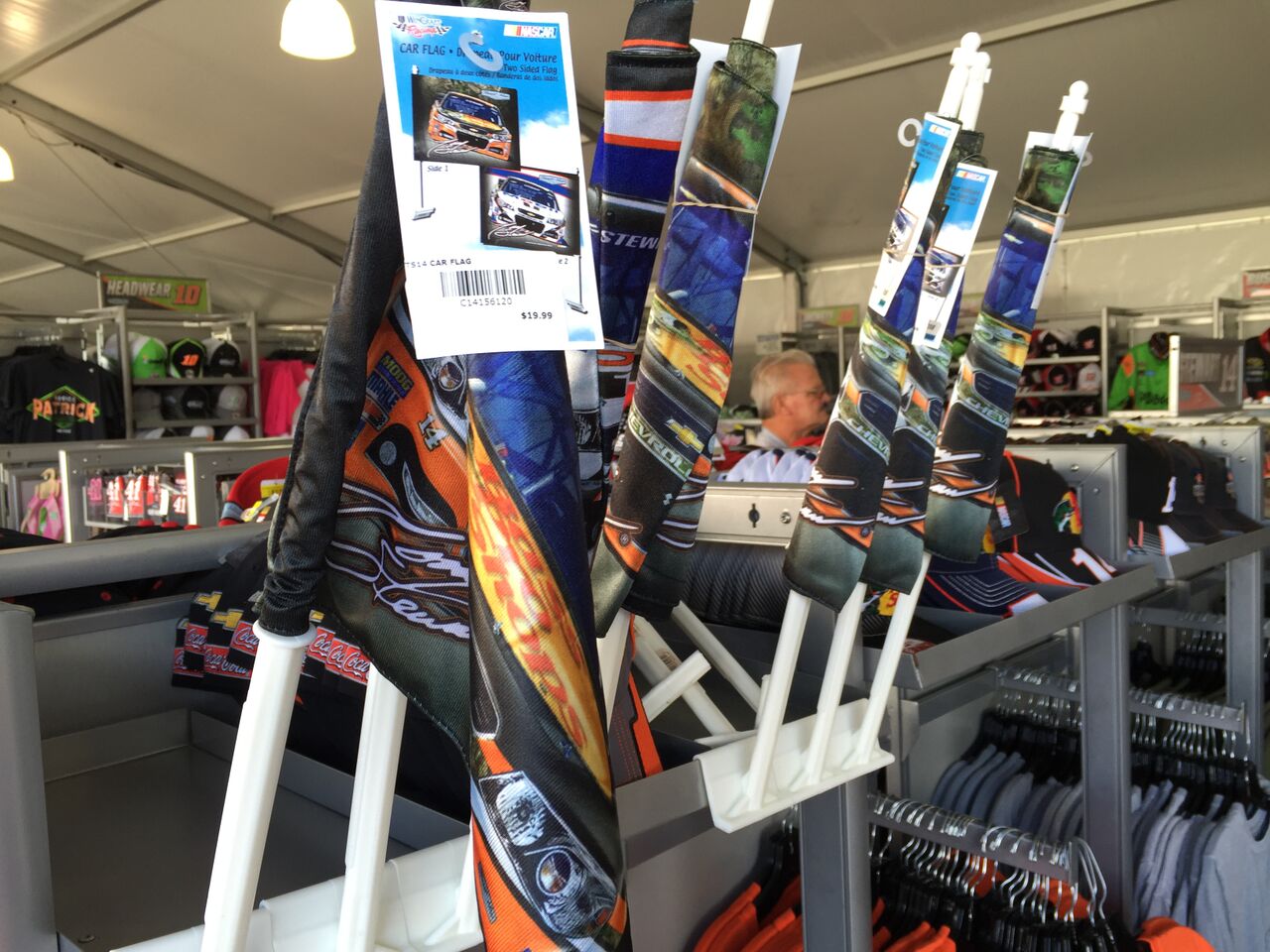
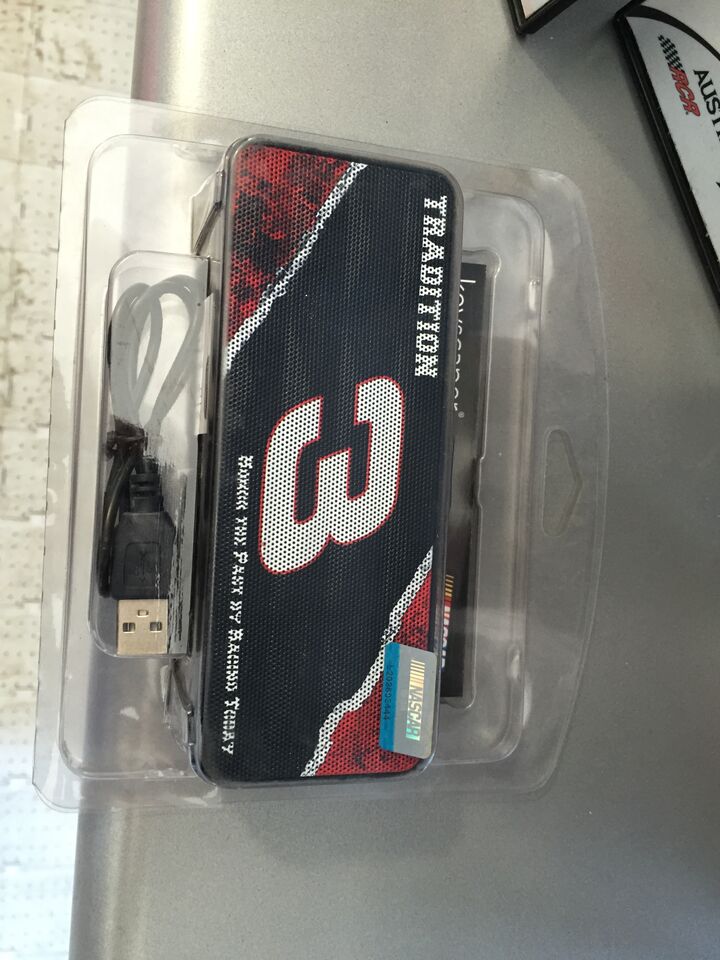
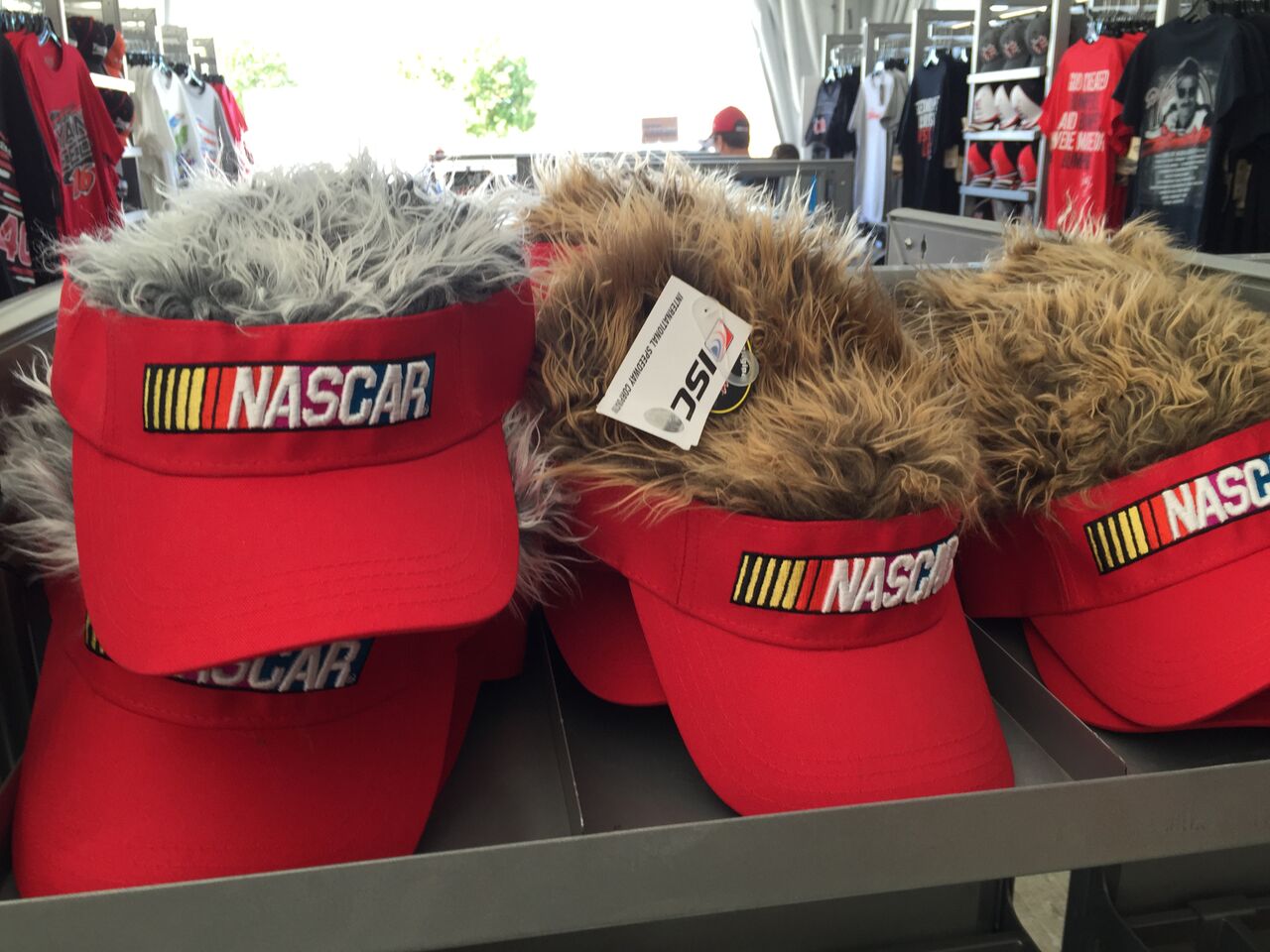
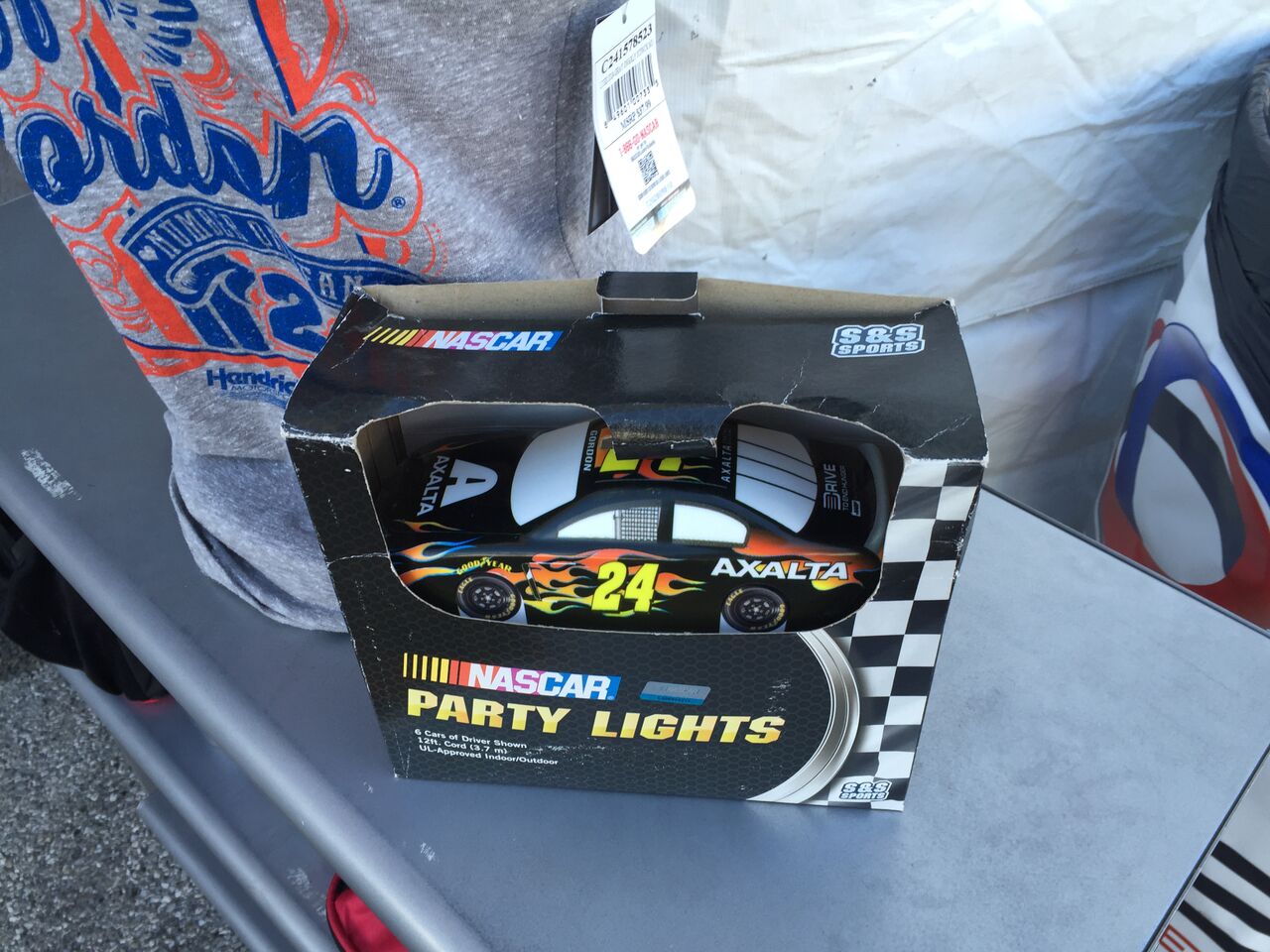
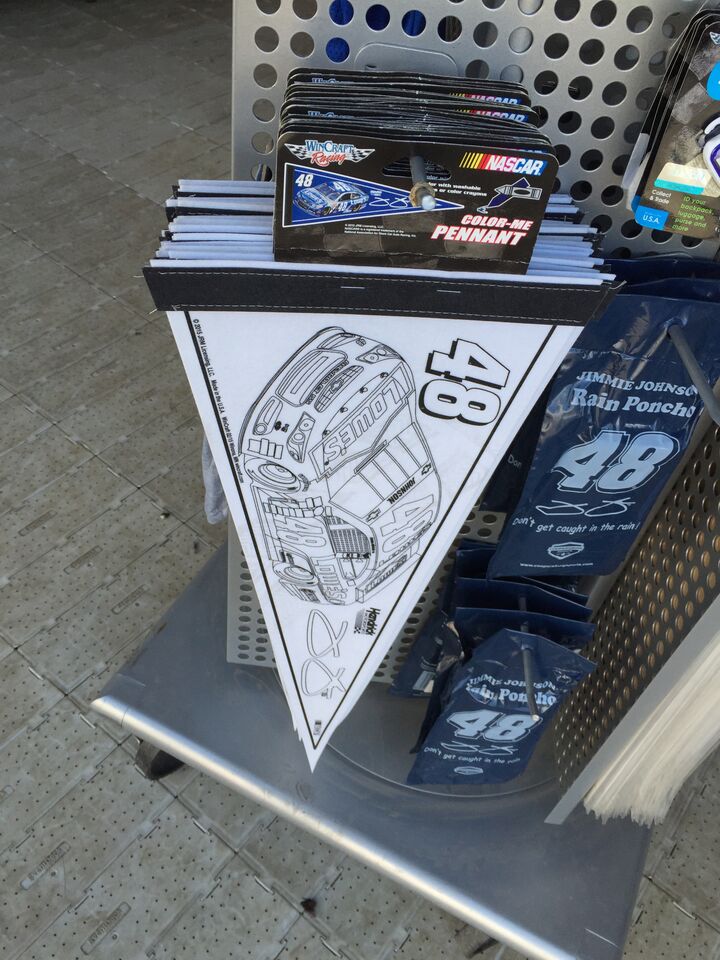
You can pick up a logo decal to attach to your 4×4’s front grille and a car flag for the window. Keeping those on the store racks alongside the flair hair, color-me pennants, party lights, and bluetooth speakers requires a lot of work.


“We have a team that goes to every track, a team that goes to every other track, and a tent company that sets up at every third track,” said Dean, who travels to all the races and hopes to spend 1-2 days a week at his Fort Lauderdale, Florida home. “Start to finish, it’s about a three-week process.”


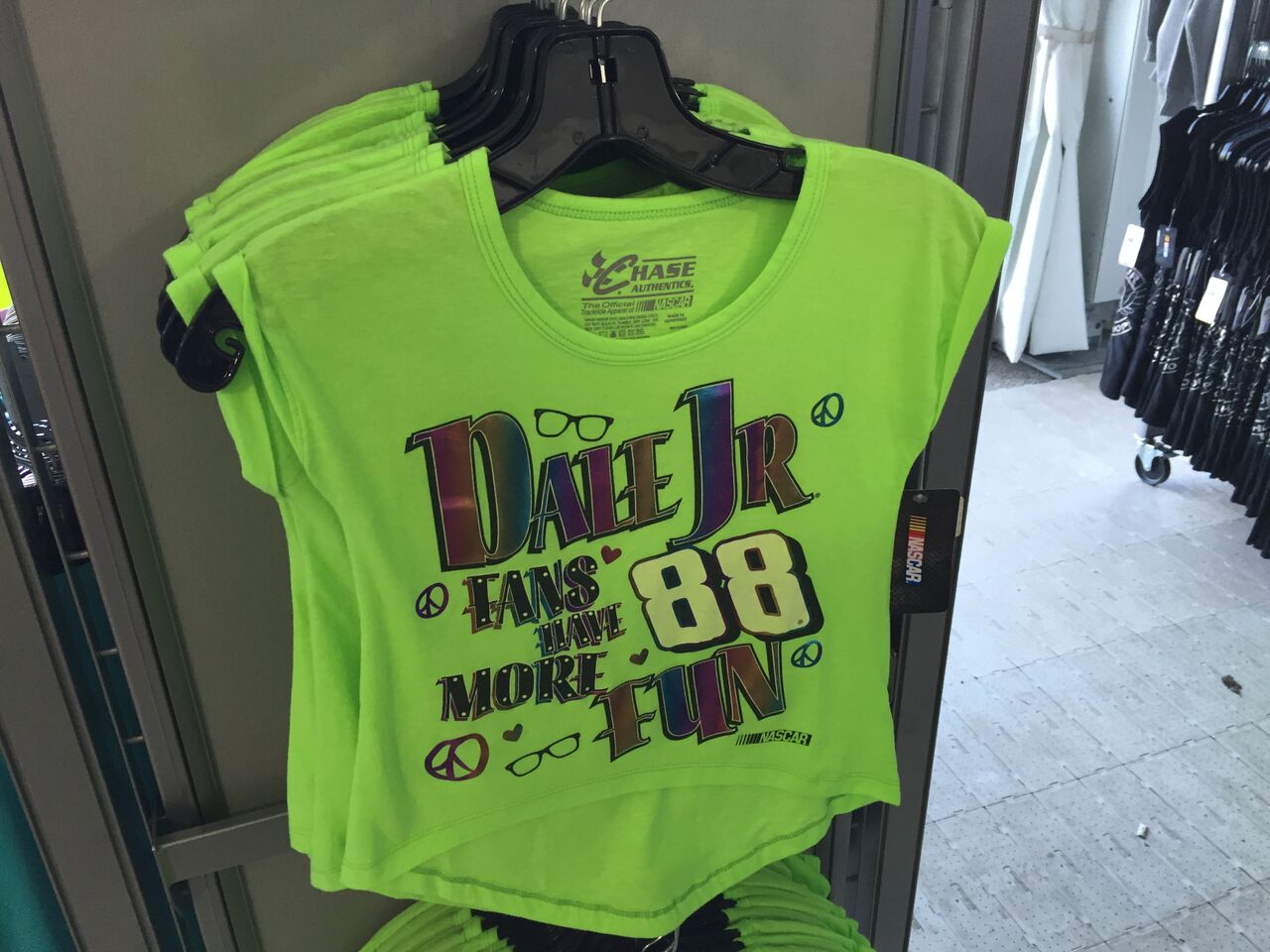
The inventory travels to every track. If they’ve sold too many “Dale Jr. fans have more fun” t-shirts, they just truck in more.

“We have a warehouse facility in Concord, North Carolina, just outside of Charlotte, which basically supports this business,” said Dean. “Replenishment product usually comes in on a Tuesday, sometimes a Wednesday. One to two trucks are filled with product to basically restock for the next race.”


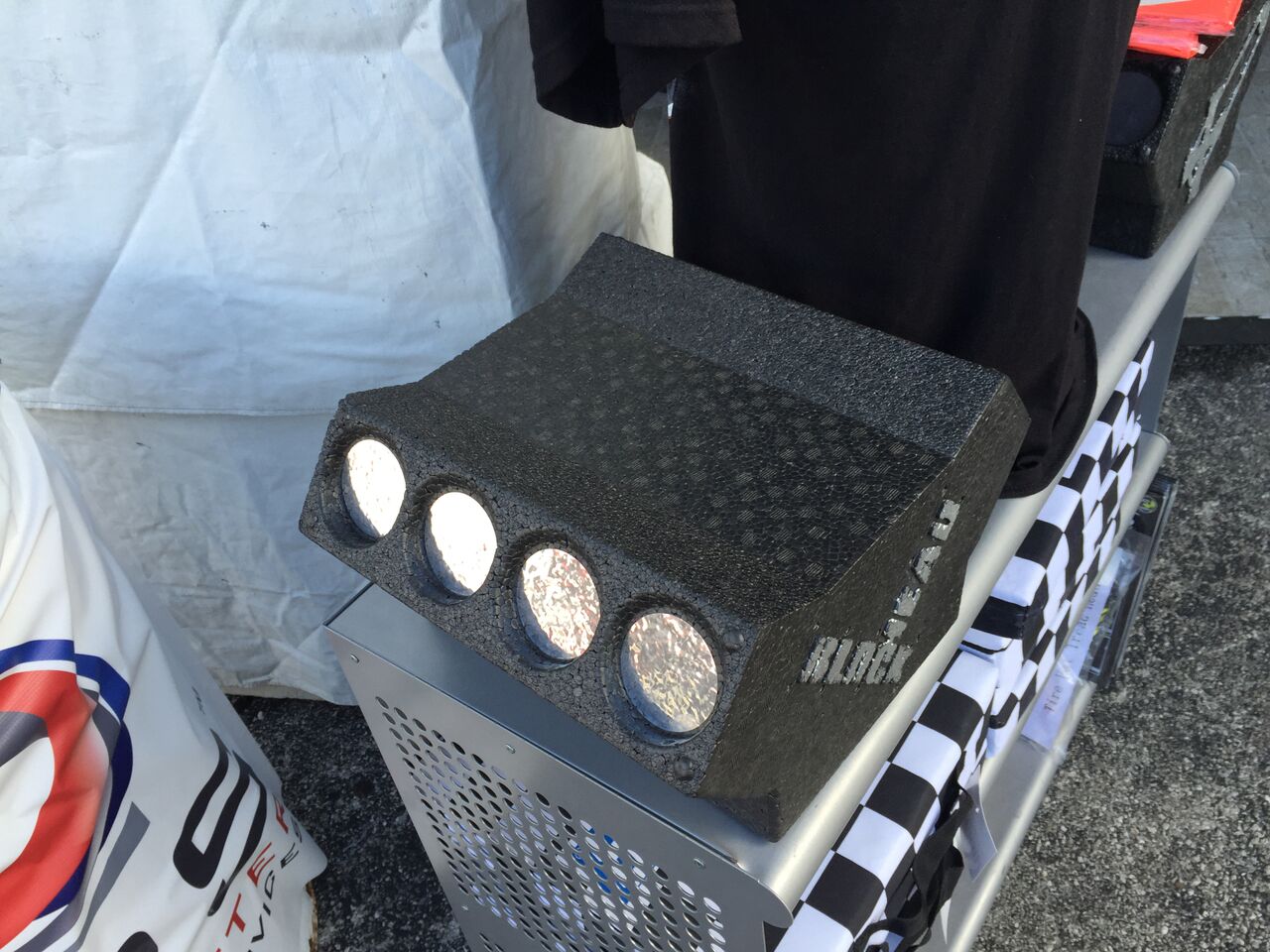
I wonder if the truck drivers wear blockheads on the road? You know, foam hats in the shape of engine blocks? Or maybe they just go for bucket hats.


NASCAR and the Trackside Superstore will return to Texas in April, and you’ll be able to pick up your own officially licensed bucket hat, assuming they’re still in fashion (I really hope so).


Rush Olson has spent two decades directing creative efforts for sports teams and broadcasters. He currently creates ad campaigns and related creative projects for sports entities through his company, Rush Olson Creative & Sports.

RushOlson.com

Linkedin.com/company/rush-olson-creative-&-sports

Facebook.com/RushOlsonCreativeandSports