This post originally appeared at the Fort Worth Weekly's website. To view it there : http://www.fwweekly.com/2016/07/26/sports-rush-keeping-the-olympics-from-flaming-out/
This year, the buzz about Olympic athletes has revolved in large part around those not going to Brazil. Some fear the Zika virus. Others will likely find themselves excluded as part of a blanket ban of Russian athletes in certain sports.
Such controversies are not unusual.
The Olympics has always had problems assembling all of the world’s best athletes every four years :
* Combat : World War I cancelled the 1916 event in its entirety. World War II stopped another four competitions.
* Boycotts : From Ireland in 1908 through the Communist countries in
1984 and 1988, numerous Games have been marred by governments preventing
their resident athletes from participating.
* Apartheid : From 1964 to 1992, the International Olympic Committee
barred South African athletes as a response to the country’s racial
classification system.
* Women : Female athletes could not compete until 1920.
* Shamateurism
: Authorities’ aversion to patrons compensating the sportsmen and women
who entertained them kept us from seeing the likes of Pelé, Bobby Orr,
or Wilt Chamberlain with medals around their necks, and Jim Thorpe from
keeping his golds.
Pierre de Coubertin, the man who spearheaded the revival of the
Olympic Games in the late 19th century, believed “The Olympic Games are
for the world and all nations must be admitted to them.” It has not
always been the case, and much of it has to do with the event’s
nation-state system of organization.
We won’t see Paris Saint-Germain boycott Champions League fixtures in
England next year because Brexit bothered its management. The NBA just moved
its All-Star Game due to actions by North Carolina’s government, but we
can feel assured the Charlotte Hornets will play a full home schedule
next year with no withdrawals by visiting teams. Other than maybe a
geographically contained disaster, like this Zika outbreak, we can’t
imagine a scenario in which a club team would choose not to play in
championship contests for which it had qualified. Even in the rare case
of bankruptcy, a league would step in to make sure an elite team played.
Such was the case with the 2010 Texas Rangers.
Club competitions can’t skip out on games because long-term success
depends on their brands being perceived as consistently able to deliver a
reliable world-class athletic product. When baseball games get rained
out, MLB reschedules them.
The Olympics, too, has a need to maintain its brand integrity. The
nature of its event and the strength of its brand mean the IOC can
persevere through the absences of even some of its most iconic teams or
athletes. There are enough countries on the planet that missing a few
boycotters or WADA stooges doesn’t matter. We love to root for the red,
white and blue no matter whether they’re taking on the reds, the
azzurri, or the bleu, blanc, et rouge. Patriotism has power.
The Olympics has to be careful, though, because while its brand
remains perhaps the most powerful in sports, its success ultimately
depends upon the health of its teams the same way a league of club
franchises does. However, Olympic sides don’t respond to the same
incentives as do regular pro teams.
Since its beginnings, Olympic competition has been organized with
athletes competing for squads identified with their citizenships. While
that wouldn’t have to mean dealing with the governments of participants
(the Olympics could have established an independent system for
certifying its competitions), from a practical standpoint it has meant
heavy involvement with ministries of sport and Ted Stevens Olympic and Amateur Sports Acts.
The priorities of those who run governments (and the teams that
represent them) won’t always line up with what’s best for the Olympic
organization. A Robert Kraft might vehemently question
the merits of a specific disciplinary procedure, but he would likely
agree that ensuring a sports product free of cheating benefits his brand
significantly and, is, in fact, vital to its success.
Other kinds of patriots – those who run governments – often don’t
gain the same benefit from a level playing field. In their minds, some
combination of national glory and personal power accumulation may matter
a great deal more than notions of sportsmanship. Using a flag-wrapped
end to justify unfair means is common when politicians want to assure
constituents they will all win so much they get tired of it.
In our current situation, it seems Russian political authorities
decided hearing the State Anthem of the Russian Federation played
frequently at medal ceremonies served their needs more than playing by
certain rules to which they had agreed. Such widespread sovereign
swindling in athletics has precedent (see 1970s East Germany).
Whatever one thinks of the World Anti-Doping Agency’s own priorities,
one has to concede that the Russian authorities believed an all-out
effort to secure athletic success for Russia would play better with the
native populace than allegiance to standards of fair play that enhance
the Olympic brand. For Russian leaders, it’s a no-lose. If their
less-than-clean athletes win a lot of medals, as they did in Sochi, and
get away with it, the reflected glory helps the political class. If they
get caught, they can just blame it on Western vendettas and still maintain their popularity.
The Olympic movement is heavily in bed with national governments, of
course. The organization requires governmental guarantees of funds
before it awards an Olympiad. It can get burned on the front end of the
process by corruption (see Salt Lake City, Rio, and Sochi) and on the
back end by bad press about negative economic impact (see Athens, Sarajevo, Montreal, and others). They already have a problem with a lack of applicants to host their events and it could easily get worse.
Does it matter? It will if it hits the bottom line. Russia is a huge
territory. Sponsors can’t be pleased to see those millions of eyeballs
paying attention to something other than their ads. If only
authoritarian states apply to host games in the future, as happened when
Kazakhstan and China emerged as the only finalists for the 2022 Winter
Games, the commercial partners won’t like the public criticism
associated with helping legitimize those regimes.
The Olympic movement has the power do great good in many ways,
including spreading the gospel of fitness, inspiring achievement,
encouraging understanding between individuals from different regions,
and entertaining billions. Fans love to root for their country’s
athletes. Is there a sustainable path forward?
The issue of nations jockeying (or even worse, not jockeying) to lose
billions on new Olympic venues might be solved by establishing single
locations to host all games owned by the International Olympic Committee.
Greece seems the least controversial from a sentimental standpoint and
their central government’s current fiscal predicament would eliminate
the temptation to seek subsidies. Perhaps the IOC’s home country of
Switzerland would make sense for a Winter Games host. Any such choice
would be fraught with issues of Eurocentrism, television ratings across
time zones, and general naysaying, but finding a way to avoid repeating
the controversies of Sochi and Rio should take priority.
It is beyond the IOC’s power to change the nature of politics.
Extricating itself from entanglements with sports ministries is also
beyond its current ability. While it should certainly take a strong look
at whether the burdens WADA imposes encourage the kind of approach the
Russian Federation adopted, the Olympians will never have the power to
compel government actors to follow rules the latter dislike.
What it can do is set a good example. In ancient times, warring
nations were expected to allow athletes to pass through their
territories on the way to the games at Olympus. The modern games have
provided numerous examples of how good-natured interactions between
people from different parts of the world facilitate understanding, from
Luz Long advising Jesse Owens to the Grateful Dead sponsoring the Lithuanian men’s basketball team.
Many believe maximizing peaceful commerce between citizens of diverse
nations to be a less effective deterrent to belligerence than the
initiation of force by governments. The best thing the Olympics can do
is to disentangle itself from as much of its dependence on nation states
as possible and use its commercial muscle and spirit of sportsmanship
to prove such people wrong.
Rush Olson has spent two decades directing creative efforts for
sports teams and broadcasters. He currently creates ad campaigns,
television programs, and related creative projects for sports entities
through Rush Olson Creative & Sports and FourNine Productions.
RushOlson.com
Linkedin.com/company/rush-olson-creative-&-sports
Facebook.com/RushOlsonCreativeandSports
Showing posts with label endurance. Show all posts
Wednesday, July 27, 2016
Thursday, October 29, 2015
It Takes An Ironox
This post originally appeared on the Blotch page at the Fort Worth Weekly. To read it on their site : http://www.fwweekly.com/2015/10/27/it-takes-an-ironox/
How about if he’s 49 years old and stocky enough to earn a nickname like “Ironox?”
How about if he completes a feat that even the pro athletes in his sport don’t try, one that most of us can’t even fathom attempting?
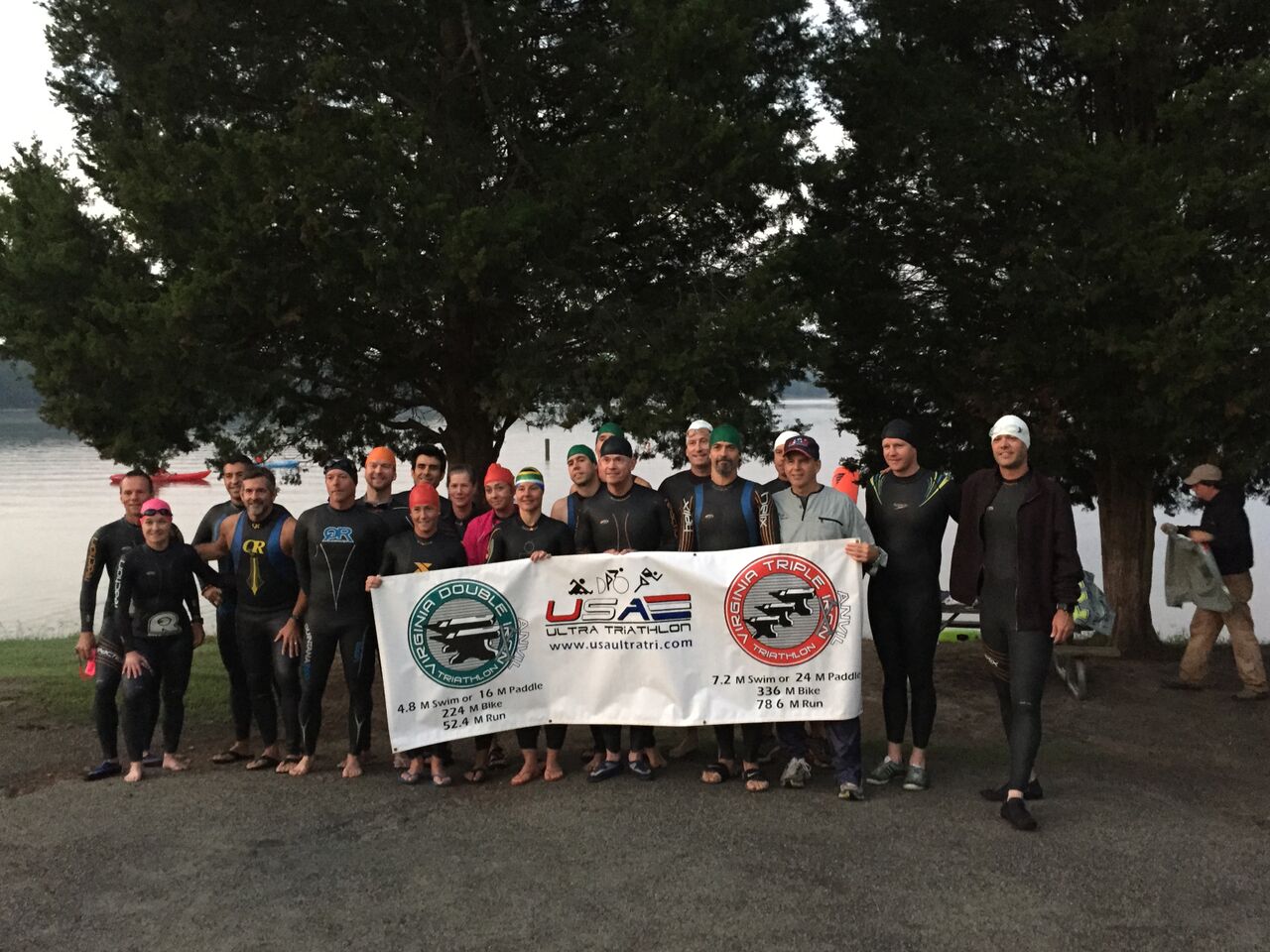
“I always cycled, but I was never a star athlete,” declared Burleson’s William Pruett. Earlier this month, though, he accomplished an athletic task only a handful of people in the world will even attempt. Pruett finished a triple iron distance triathlon.

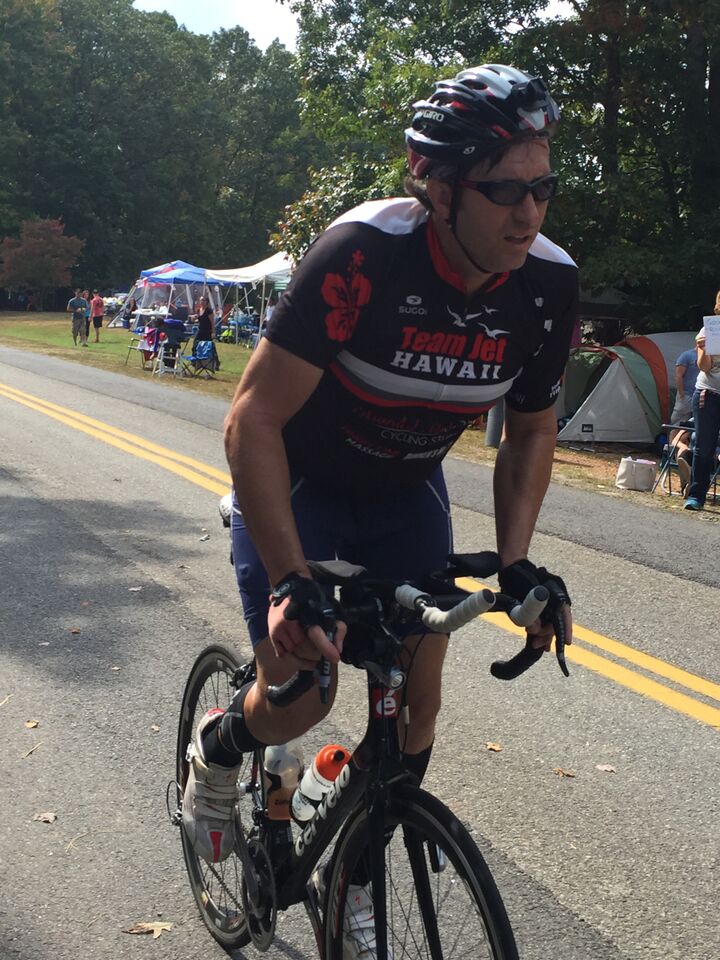
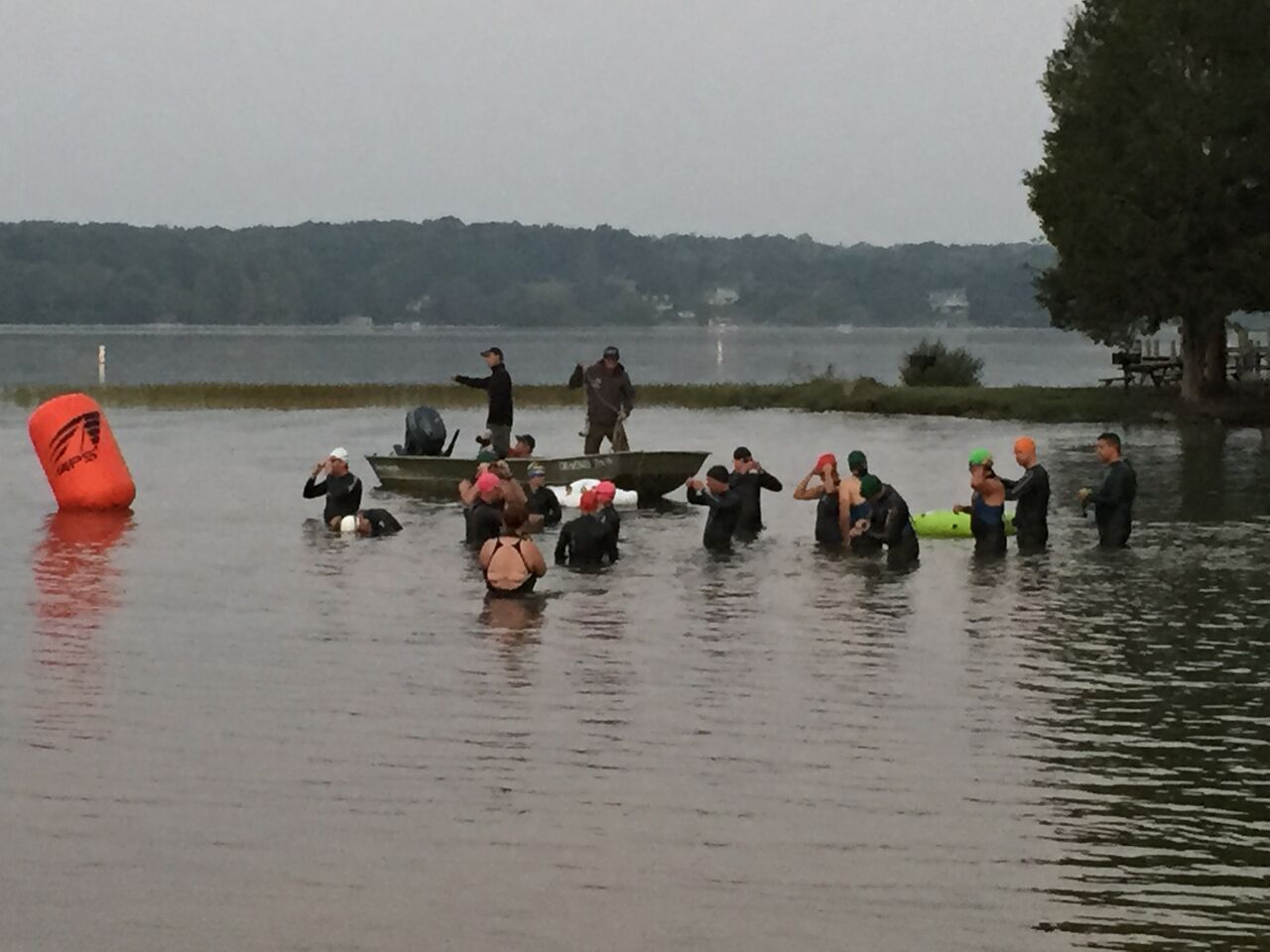
Pruett first swam 7.2 miles in a chilly lake, then rode his bicycle for 336 miles (roughly the distance from Burleson to Odessa, Texas).

“You can’t ride too fast because you know you’re going to have to run three marathons,” he says matter-of-factly.
The finishing run covers 78.6 miles. For his or her time to officially count, a competitor has to complete all three events in 60 hours or less. Pruett finished in 59:51:52.
Ironox’s successful result came in his second attempt at the triple. In 2014, at the same course in Lake Anna State Park near Spotsylvania, Virginia, he sustained a severe ankle sprain at mile six of the run. He pressed on for 25 more miles before succumbing to the injury.
Ultra triathletes expect to encounter pain during the event, especially as the hours mount and take their toll on even well-conditioned bodies.
“On the bike you have saddle sores, achy knees, and achy feet from riding so long,” noted Pruett. “Some people have upper extremities issues because you’ve been gripping the handlebars for such a long period of time.”
In 2015, Pruett’s main injury troubles again came during the running portion. They threatened to derail his effort, 40+ hours in.
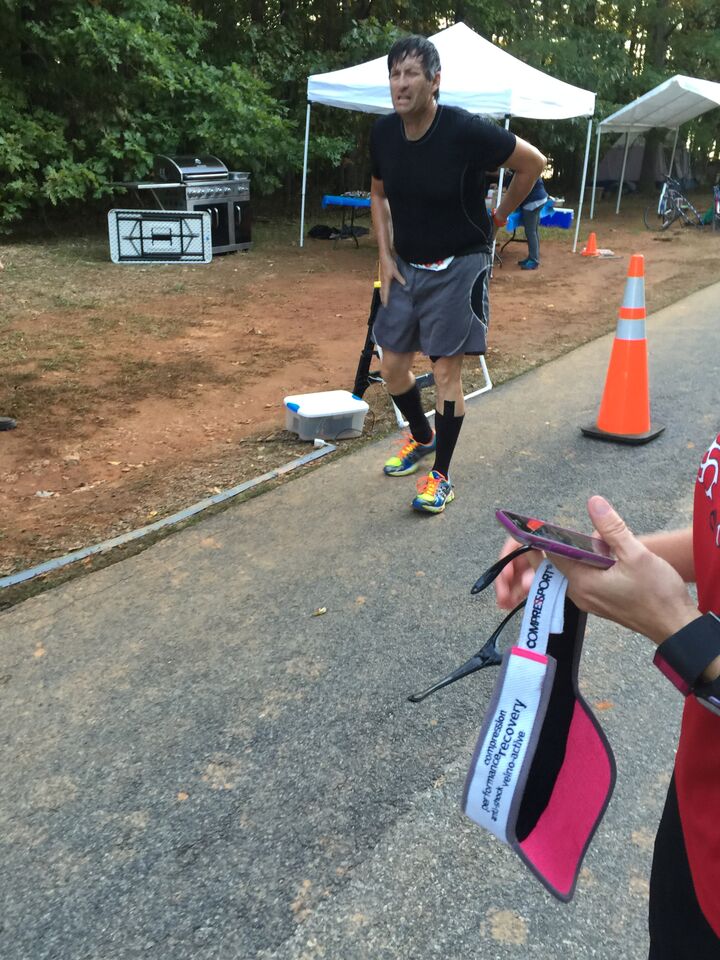
“My feet started to blister after the first marathon. I think I was around mile 30 or so when they started getting bad.”
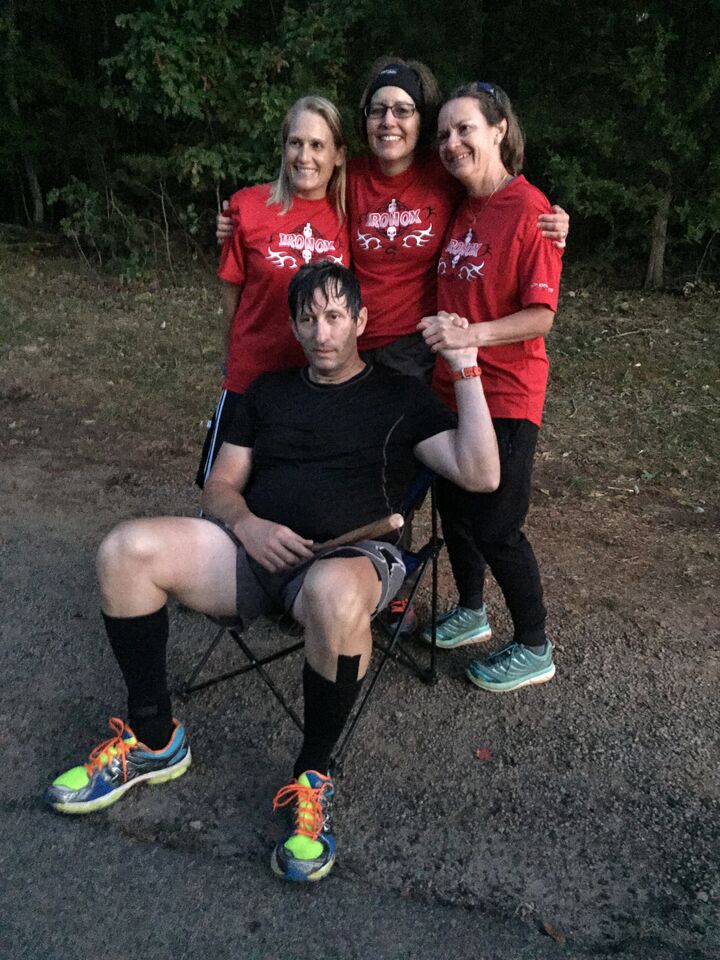
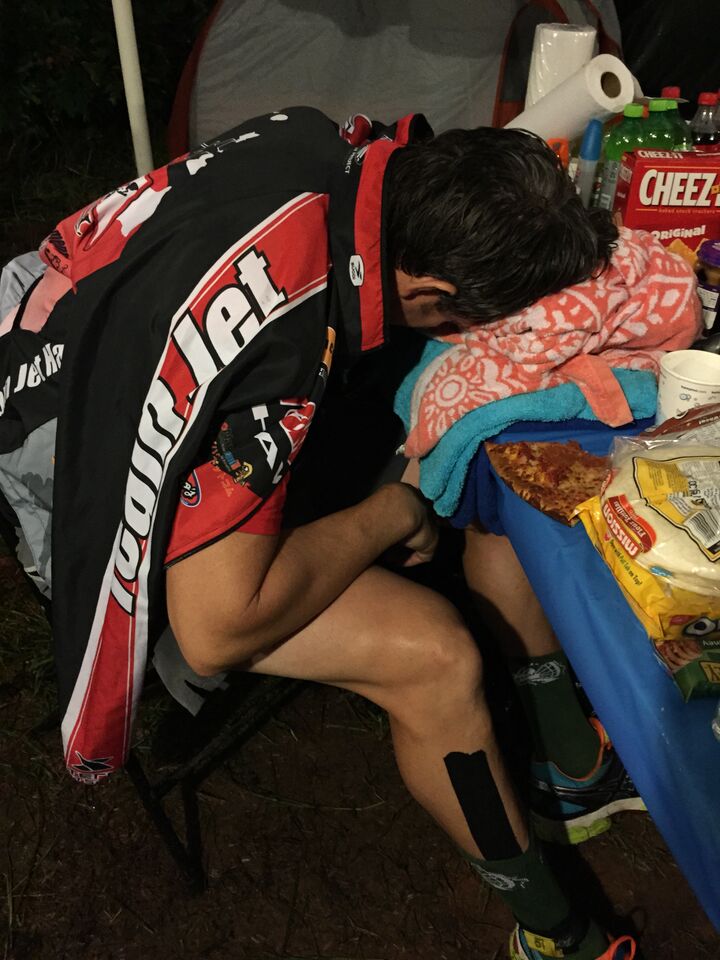
There wasn’t much the race doctor could do for him, so Pruett’s crew wrapped his painful soles in tape, moleskin, and everything else they had to try to keep him on his feet (next time, he vows to bring even more blister-prevention supplies). Long distance racers need a crew to help them make it through their two-and-a-half day ordeal. Pruett’s seasoned support staff included his wife, Donna, a veteran of Pruett’s regular endurance race forays, and experienced triathletes Nancy Henley and Sara Parker Underwood. They made sure Pruett ingested enough performance gels and protein-rich foods to supply the caloric intake the team had predetermined he needed to maintain his energy levels. They also monitored the roughly three total hours of sleep he would get during the race and kept him hydrated.

With only ten miles to go, the crew had to help William find more assistance.
“My back locked up on the run because my lower back was so fatigued,” explained Pruett.

A massage therapist loosened it a little bit, but Pruett didn’t have time for extensive treatment.
“While she was working on my back, the clock was still ticking. I had to cross the timing mat by 6:40 Saturday evening. So we had to really push it.”
Push it he did, as best he could from a hunched position.
“It was still pretty much locked, so I had to bend over at a thirty degree angle to walk/run. The last six miles became very crucial that I couldn’t stop for anything.
Once started, the race clock doesn’t stop for rain, bathroom breaks, or a note from one’s doctor. Pruett trudged, as he put it, to the finish just in time. He actually thought he was under more time pressure than he was.
“My crew didn’t tell that I had banked an extra nine minutes that I’d didn’t realize I had,” he explained.
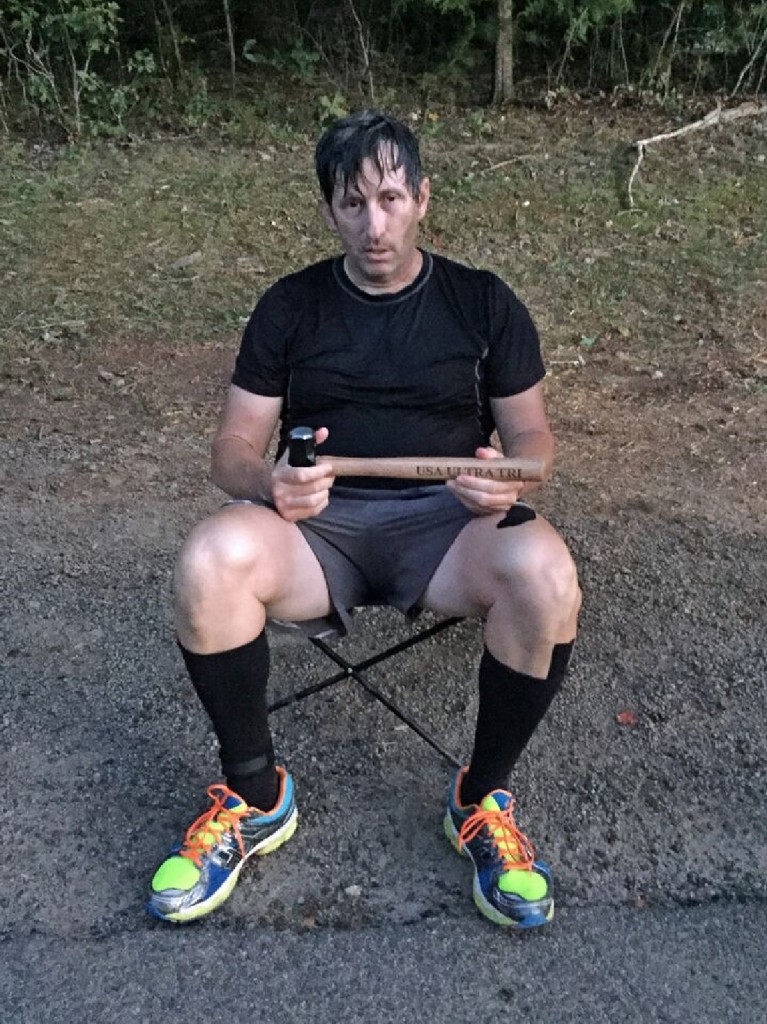
After he got done, the Ironox got to use a hammer to pound three times on the anvil that symbolizes the competition known as the Triple ANVIL. He then spent most of the rest of the evening eating and sleeping.
Once he returned to Texas, his recovery continued.
“Besides consuming tons of calories, I did cryo therapy, massage, and elevating the feet. Catching up on the sleep was the most difficult.”
“It didn’t dawn on me until two days later that I finished. You’re just trying to recover for two days and then it dawns on you that I just accomplished a goal through this fifty nine hours of exercise.”

Pruett’s doctors think he’s nuts.
“They don’t discourage it because they know you’re going to do it anyway,” Pruett said.
Some readers may agree with the physicians. So why does Pruett, who has completed multiple iron distance (2.4-mile swim, 112-mile bicycle ride and 26.2-mile run) triathlons and a double ANVIL, put his body through the rigors his sport demands? For William Pruett, it is, believe it or not, fun.
“The fun part is the journey, the training,” he said. “You have this set goal and it is a mark that is a little beyond your limitation. A goal within your limitation, what fun is that?"
Accomplishing the goal in an environment in which he competes against other contestants and a clock makes the goal even sexier for him.
“My motivation is that you have this certified course with chip timing and you’re monitored with swim, bike, and run. You’re testing yourself against a true measure. Instead of just going out on your own and saying I did this one day, you’re actually measured by these outside forces and referees. If you’re not under 60 hours, you’re not an official finisher. That’s the motivation.”
When Pruett isn’t training, racing, or working at Fort Worth Cycling & Fitness or helping manage a local medical practice, he trains other aspiring racers through his company, CorioVelo. He hopes his experiences completing a triple contribute to making him an elite coach.
“By experiencing this event as an athlete, now I can relate to other athletes when they do iron distance or ultra because I know the same exact feelings they’re going through,” he said.
To deal with the inevitable feelings of anguish, Pruett considers mental training vital.
“Once the mental goes, the physical goes. If you can keep on top of the mental, it helps your physical,” he explained. “For dealing with the pain, I had to do a lot of mental training. I read a lot of positive motivation books. Learning to control the mind in the downtime by changing your thought pattern. Instead of negative thoughts, changing thought patterns to positive thoughts during the event – reading, praying, just any mental activity.”
The physical part is more than swimming, riding, and running a lot, too.

“I trained for sleep deprivation by practicing ten to twelve-minute naps,” he said about one of the crucial aspects of surviving ultra distance races. “Research shows that anything over fifteen minutes, you start to get into REM (rapid eye movement sleep). You don’t want an athlete to get into REM during an event because it becomes harder to wake up.”
Pruett has coached a pair of double iron distance finishers, and numerous other committed amateur athletes. His customers tend to be folks a lot like him.

“Anybody can do triathlon,” he said. “You don’t have to be the skinny jackrabbit.”
If Pruett counts himself closer to the tortoise than the hare, his steady approach seems to be working. He’s already on track for another single iron distance race in November and might try the Quintuple ANVIL next year.
“If you never get out and test yourself, you never know your limit,” he said.
When it comes to testing limits, William Pruett is truly elite.
Disclosure : Pruett’s company, CorioVelo, paid me to produce a promotional video earlier this year. He also gave me a hat and a hoodie, both of which I have worn in public and thought they looked pretty stylin’.
Rush Olson has spent two decades directing creative efforts for sports teams and broadcasters. He currently creates ad campaigns and related creative projects for sports entities through his company, Rush Olson Creative & Sports.
RushOlson.com
Linkedin.com/company/rush-olson-creative-&-sports
Facebook.com/RushOlsonCreativeandSports
Can one consider a person who describes himself as “just your middle of the pack in every sport” an “elite athlete?”
How about if he completes a feat that even the pro athletes in his sport don’t try, one that most of us can’t even fathom attempting?
“I always cycled, but I was never a star athlete,” declared Burleson’s William Pruett. Earlier this month, though, he accomplished an athletic task only a handful of people in the world will even attempt. Pruett finished a triple iron distance triathlon.
Pruett first swam 7.2 miles in a chilly lake, then rode his bicycle for 336 miles (roughly the distance from Burleson to Odessa, Texas).
“You can’t ride too fast because you know you’re going to have to run three marathons,” he says matter-of-factly.
The finishing run covers 78.6 miles. For his or her time to officially count, a competitor has to complete all three events in 60 hours or less. Pruett finished in 59:51:52.
Ironox’s successful result came in his second attempt at the triple. In 2014, at the same course in Lake Anna State Park near Spotsylvania, Virginia, he sustained a severe ankle sprain at mile six of the run. He pressed on for 25 more miles before succumbing to the injury.
Ultra triathletes expect to encounter pain during the event, especially as the hours mount and take their toll on even well-conditioned bodies.
“On the bike you have saddle sores, achy knees, and achy feet from riding so long,” noted Pruett. “Some people have upper extremities issues because you’ve been gripping the handlebars for such a long period of time.”
In 2015, Pruett’s main injury troubles again came during the running portion. They threatened to derail his effort, 40+ hours in.
“My feet started to blister after the first marathon. I think I was around mile 30 or so when they started getting bad.”
There wasn’t much the race doctor could do for him, so Pruett’s crew wrapped his painful soles in tape, moleskin, and everything else they had to try to keep him on his feet (next time, he vows to bring even more blister-prevention supplies). Long distance racers need a crew to help them make it through their two-and-a-half day ordeal. Pruett’s seasoned support staff included his wife, Donna, a veteran of Pruett’s regular endurance race forays, and experienced triathletes Nancy Henley and Sara Parker Underwood. They made sure Pruett ingested enough performance gels and protein-rich foods to supply the caloric intake the team had predetermined he needed to maintain his energy levels. They also monitored the roughly three total hours of sleep he would get during the race and kept him hydrated.
With only ten miles to go, the crew had to help William find more assistance.
“My back locked up on the run because my lower back was so fatigued,” explained Pruett.
A massage therapist loosened it a little bit, but Pruett didn’t have time for extensive treatment.
“While she was working on my back, the clock was still ticking. I had to cross the timing mat by 6:40 Saturday evening. So we had to really push it.”
Push it he did, as best he could from a hunched position.
“It was still pretty much locked, so I had to bend over at a thirty degree angle to walk/run. The last six miles became very crucial that I couldn’t stop for anything.
Once started, the race clock doesn’t stop for rain, bathroom breaks, or a note from one’s doctor. Pruett trudged, as he put it, to the finish just in time. He actually thought he was under more time pressure than he was.
“My crew didn’t tell that I had banked an extra nine minutes that I’d didn’t realize I had,” he explained.
After he got done, the Ironox got to use a hammer to pound three times on the anvil that symbolizes the competition known as the Triple ANVIL. He then spent most of the rest of the evening eating and sleeping.
Once he returned to Texas, his recovery continued.
“Besides consuming tons of calories, I did cryo therapy, massage, and elevating the feet. Catching up on the sleep was the most difficult.”
“It didn’t dawn on me until two days later that I finished. You’re just trying to recover for two days and then it dawns on you that I just accomplished a goal through this fifty nine hours of exercise.”
Pruett’s doctors think he’s nuts.
“They don’t discourage it because they know you’re going to do it anyway,” Pruett said.
Some readers may agree with the physicians. So why does Pruett, who has completed multiple iron distance (2.4-mile swim, 112-mile bicycle ride and 26.2-mile run) triathlons and a double ANVIL, put his body through the rigors his sport demands? For William Pruett, it is, believe it or not, fun.
“The fun part is the journey, the training,” he said. “You have this set goal and it is a mark that is a little beyond your limitation. A goal within your limitation, what fun is that?"
Accomplishing the goal in an environment in which he competes against other contestants and a clock makes the goal even sexier for him.
“My motivation is that you have this certified course with chip timing and you’re monitored with swim, bike, and run. You’re testing yourself against a true measure. Instead of just going out on your own and saying I did this one day, you’re actually measured by these outside forces and referees. If you’re not under 60 hours, you’re not an official finisher. That’s the motivation.”
When Pruett isn’t training, racing, or working at Fort Worth Cycling & Fitness or helping manage a local medical practice, he trains other aspiring racers through his company, CorioVelo. He hopes his experiences completing a triple contribute to making him an elite coach.
“By experiencing this event as an athlete, now I can relate to other athletes when they do iron distance or ultra because I know the same exact feelings they’re going through,” he said.
To deal with the inevitable feelings of anguish, Pruett considers mental training vital.
“Once the mental goes, the physical goes. If you can keep on top of the mental, it helps your physical,” he explained. “For dealing with the pain, I had to do a lot of mental training. I read a lot of positive motivation books. Learning to control the mind in the downtime by changing your thought pattern. Instead of negative thoughts, changing thought patterns to positive thoughts during the event – reading, praying, just any mental activity.”
The physical part is more than swimming, riding, and running a lot, too.
“I trained for sleep deprivation by practicing ten to twelve-minute naps,” he said about one of the crucial aspects of surviving ultra distance races. “Research shows that anything over fifteen minutes, you start to get into REM (rapid eye movement sleep). You don’t want an athlete to get into REM during an event because it becomes harder to wake up.”
Pruett has coached a pair of double iron distance finishers, and numerous other committed amateur athletes. His customers tend to be folks a lot like him.
“Anybody can do triathlon,” he said. “You don’t have to be the skinny jackrabbit.”
If Pruett counts himself closer to the tortoise than the hare, his steady approach seems to be working. He’s already on track for another single iron distance race in November and might try the Quintuple ANVIL next year.
“If you never get out and test yourself, you never know your limit,” he said.
When it comes to testing limits, William Pruett is truly elite.
Disclosure : Pruett’s company, CorioVelo, paid me to produce a promotional video earlier this year. He also gave me a hat and a hoodie, both of which I have worn in public and thought they looked pretty stylin’.
Rush Olson has spent two decades directing creative efforts for sports teams and broadcasters. He currently creates ad campaigns and related creative projects for sports entities through his company, Rush Olson Creative & Sports.
RushOlson.com
Linkedin.com/company/rush-olson-creative-&-sports
Facebook.com/RushOlsonCreativeandSports
Subscribe to:
Posts (Atom)