If you were a young Jewish boy newly arrived in the United States in
the early 20th century, you might have looked and talked differently
from your schoolmates. You wore a small circular cap on the back of your
head. How would you have tried to fit in? For many such boys, adjustment to America involved wearing baseball caps as well as yarmulkes.
That’s the message of Chasing Dreams: Baseball and Becoming American, a multimedia exhibit on display through March 5 at Congregation Ahavath Sholom. “What
the immigrants of the early 1900s determined was if you really wanted
to be American, you needed to learn about baseball,” explained Rich
Hollander, who spearheaded bringing the exhibit to the Fort Worth
synagogue from the Philadelphia Museum of American Jewish History.
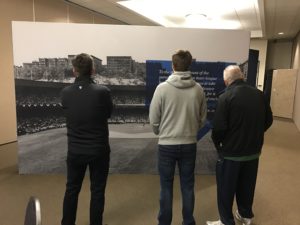
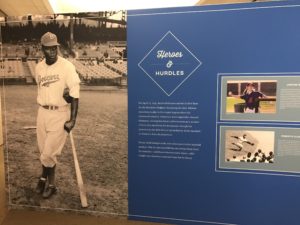
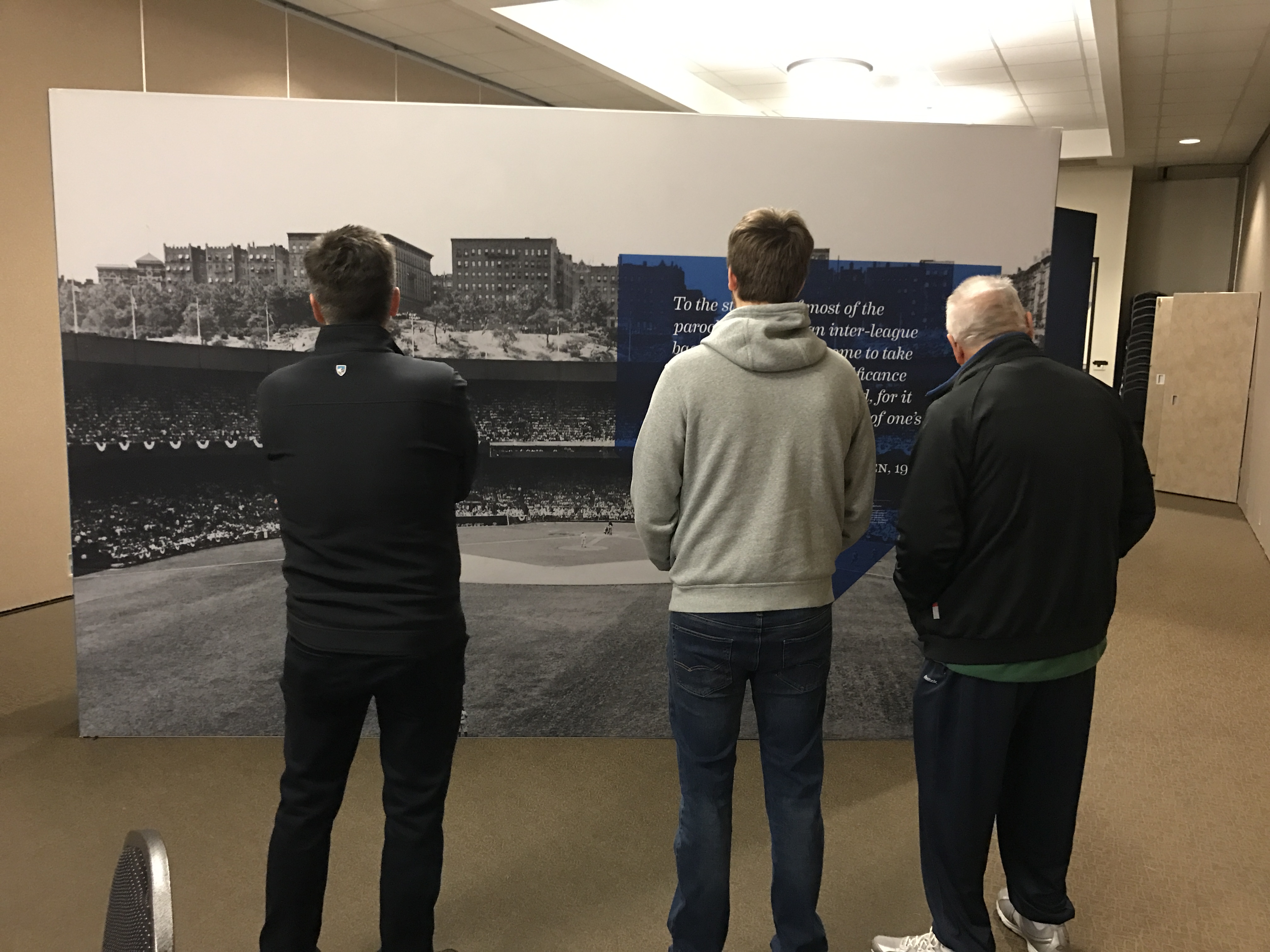
The most prominent portion of the display consists of a series of
two-sided panels featuring large photos and text related to the ways
Jews and other minorities became a part of baseball. Text from the first
panel declares that baseball “represents a shared American identity.”
Videos about baseball’s cultural richness reinforce the message. They
feature comments from prominent Jewish and minority participants in the
game, including the Rangers’ Jewish general manager, Jon Daniels.
Hollander had seen a TV news story about the exhibition and contacted
the Philadelphia museum about arranging a showing in Texas. As
president of Tarrant County B’nai B’rith, he presented the concept to
local chapter of the national Jewish service organization. They decided
to provide the money and manpower necessary to bring Chasing Dreams to Cowtown.
An iPad display allows visitors to look up every Jewish player who
played in the majors. On Friday, Rick Weintraub of Arlington had come to
see the exhibit with his friend and his grandson. He asked Hollander to
retrieve the information on his distant cousin Phil Weintraub, who
played in the 1930s and 1940s.
Rick was born in 1937 and grew up in New York City as a Brooklyn
Dodgers fan. He confirmed that the exhibit got it right about the
importance of baseball to Jewish boys his age.
“When you were a kid growing up in Brooklyn, baseball was your second religion,” he said. The man Hollander considers his baseball hero once placed the
religion they share ahead of the game they both love. Sandy Koufax
declined to pitch Game 1 of the 1965 World Series when it fell on the
same day as Jewish holy day Yom Kippur. He has a prominent place in the
exhibit and in Hollander’s memory: “He said to me, ‘If you’re Jewish,
you can be a baseball player.’ I wasn’t good enough to be a
[professional] baseball player, but you could be a baseball player.”
Hollander took pleasure in noting that Israel had qualified to play
in the 2017 World Baseball Classic, the country’s first appearance in
the main round of the quadrennial competition. The tournament website
indicates some 3,000 Israelis of all ages participate in the sport. It
seems that in addition helping immigrants adjust to life in the U.S.,
baseball makes a pretty good export, too.
On Blotch at Fwweekly.com, you can read my take on why it made sense to write about the exhibit during a week that includes Martin Luther King, Jr. Day and Inauguration Day.
You can find Chasing Dreams: Baseball and Becoming American at 4050 South Hulen Street Tuesdays – Thursdays from 10 am to 5 pm, Fridays from 10 am to 2 pm, and Sundays from noon to 6 pm. Tickets are $5 each and children under 12 are admitted free. On Sunday, February 12, former Rangers President Tom Schieffer will speak at a bagels and lox brunch that includes a tour of the exhibit. For information about the event, call 817 909 4354.
Any baseball franchise would want to employ a powerful first
baseman with a career OPS (On-base Plus Slugging) over 1.000 who could
also play the outfield.
Clubs would also welcome a hard-nosed second baseman who had won a Rookie-of-the-Year Award, an MVP, and a batting title.
Teams would be thrilled to add a smooth center fielder worth nearly 80 career WAR (Wins Above Replacement).
They’d
be even more interested if you told them each player was a
Hall-of-Famer and had served his country as a soldier in time of actual
war.
I learned things about each of the above players at a new exhibit called Chasing Dreams: Baseball and Becoming American.
The Congregation Ahavath Sholom on South Hulen hosts it through March
5. You can get more scoop on its contents and how it came to be in Fort
Worth by reading my article in the Fort Worth Weekly print edition due
on stands this coming Wednesday.
It
seemed especially appropriate to write about the exhibit as we
celebrate Martin Luther King, Jr. Day. King chased dreams, and, indeed
we remember one of his most famous speeches as the “I Have A Dream Speech.” He delivered it August 28, 1963 in Washington, D.C., and it contains one of my favorite passages ever:
“I have a dream that my four little children will one day live in a
nation where they will not be judged by the color of their skin, but by
the content of their character.”
King’s address also spoke of the injustices done to African-Americans
of the time and of difficulties they faced in a country whose laws
denied them a level playing field. The exhibit talks of the
discriminatory obstacles Jewish ballplayers faced, and includes mentions
of the struggles and triumphs of black, Hispanic, and even female
ballplayers.
We learn, for instance, that while early Jewish ballplayers could at
least play in the big leagues (unlike African-Americans), many felt
compelled to change their names to something that made their ethnicity
less apparent. We also learn that baseball played a role in helping to
overcome prejudices, both within the game and without.
“Baseball really became the place for cultural change in America,
with Jackie Robinson as the place where America really began its
integration,” posited event organizer Rick Hollander.
Robinson
was the second baseman I described in this column’s opening paragraph.
His status as MLB’s first African-American player in the modern era has
deservedly cemented his status as a legend, and Robinson’s performance
on the baseball diamond would have earned any player Hall of Fame
consideration.
Rick Weintraub, a lifelong baseball fan who attended the exhibit the
day I was there told us he had once gotten to meet Jackie Robinson. The
nearly 80-year old white Jewish man said, “It now just almost brings
tears to my eyes because he was such a great man, much less a baseball
player.” As one of the first Jewish ballplayers to keep his traditional
surname, the first baseman/outfielder described above also faced
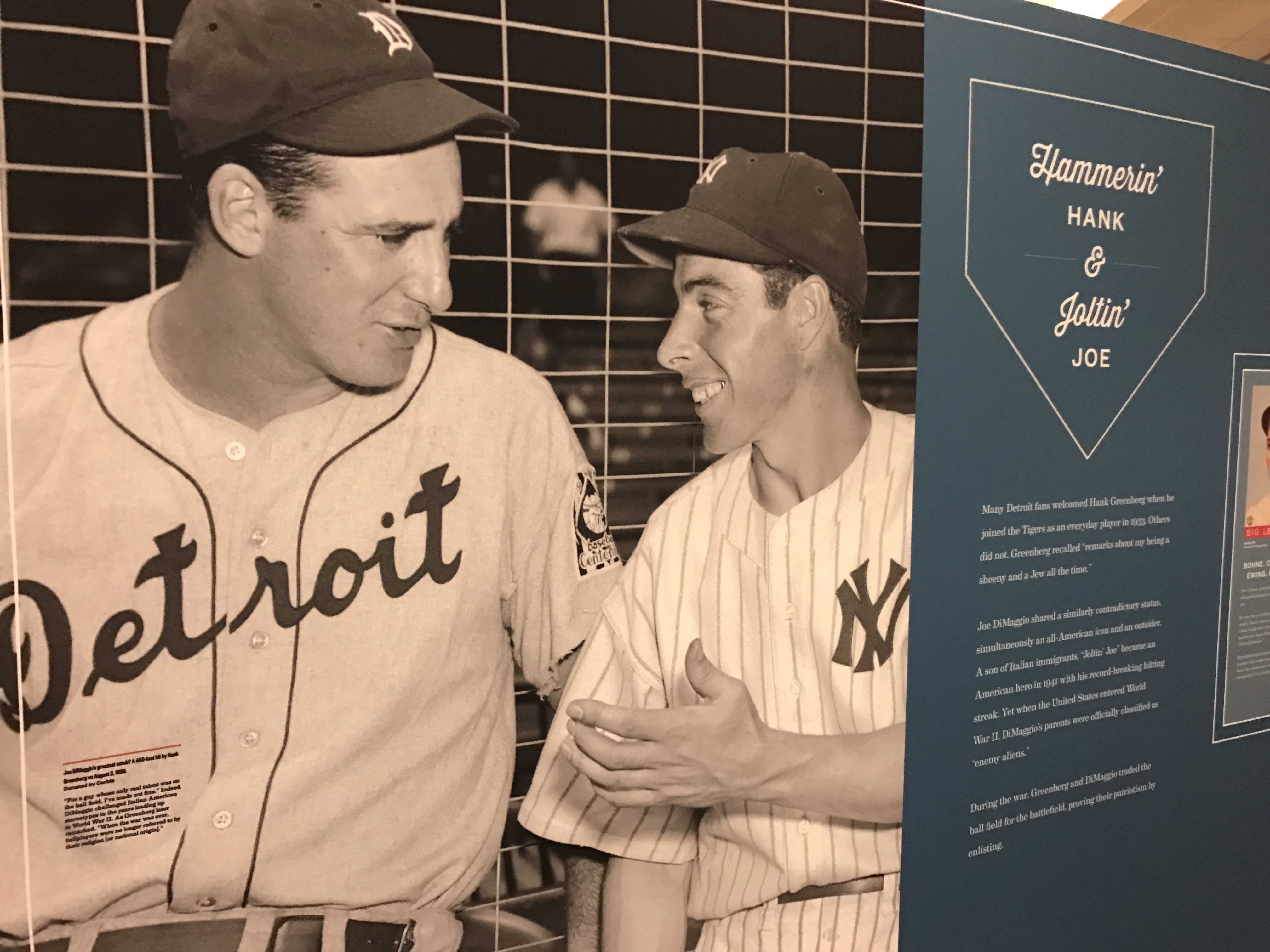
racially-tinged abuse. Detroit Tigers fans, however, liked Hank Greenberg’s two MVP seasons and pair of World Series wins.
Both Greenberg and Robinson used their play on the field and their
strength off it to power through much of the flimsy excuse for a mindset
that is racism. They left baseball observers with little choice other
than to judge them by the contents of their characters. I would submit
that such developments have value in the wider world. Once one realizes
that a member of a maligned group defies negative stereotypes, it makes
it more difficult to project suppositions of inferiority onto other
individuals. Open competition, and sports especially, rewards such rational
choices. Fans of that era discovered they would rather brag about their
teams winning than obsess over whether the players looked like them or
attended their church.
Speaking of winning, there’s another important day on the national
calendar this week. Another prominent citizen will have a chance to
address the public from the capital. Friday is Inauguration Day, and the
incoming POTUS has talked a lot about winning things.
One thing the exhibits explains is how first-generation Americans used baseball to successfully bridge cultural gaps.
“Regardless of what all the politicians say in the world today, we
are an immigrant society,” said Hollander. “They came here as young as
eight, nine years old. They went back and fought in World War II for
their new country and the patriotism was real. They understood the
opportunities that America had to offer and baseball was one of those
opportunities.”
All
three of the men mentioned at the top of the page also served in the
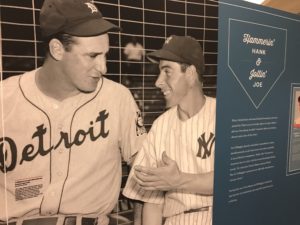
armed forces during WWII. One of the exhibition’s panels features a
photo of Greenberg with the center fielder I cited. Joe DiMaggio might
have been the most revered ballplayer in the world in 1941 and would
join the Army from 1943-45. But when war broke out, the authorities
wouldn’t allow his Sicilian father to earn a living fishing in San Francisco’s coastal waters because of where Giuseppe DiMaggio was born.
The Franklin D. Roosevelt administration judged a lot of Italians, Japanese,
and others of Axis descent by something other than the content of each
person’s character. The year after the U.S. government freed the last of
the interned Japanese Americans, Jackie Robinson broke baseball’s color
barrier. As Hollander pointed out to me, the Major Leagues now feature
players from all over, including Central and South America, the
Caribbean, Korea, Australia, and, yes, Japan.
Society has made progress, too, since the 1940s. A more open world
has resulted in all manner of free exchange of goods, services, music,
and food. Indeed, as I walked into the synagogue to view the Chasing
Dreams exhibit, a flier on the door caught my eye. This Jewish religious
institution was advertising a musical Shabbat featuring the sounds of
Latin America.
We’d like it if everyone kept an open mind about such cross-cultural
experiences. When you adopt such an attitude, you can look at someone
new or different as an individual and judge him or her accordingly.
If one views a person negatively because she shares a country of
origin or a religion with billions of peaceful people and a tiny
percentage of Bin Ladens, Torequmadas, Castros, or Maos; if one thinks
just because a man rises to head a corporation or hedge fund, he
therefore has no soul; if one believes that just because someone proved
him or herself popular in an election, it automatically makes the
official worthy or respect – or derision; In all these cases, one is not
rendering judgement based on the content of that person’s character.
Baseball learned long ago how thinking that way prevents you from
winning. The teams that employed Robinson, Greenberg, and DiMaggio won a
LOT. One hopes that those taking power remember the lessons baseball –
and Dr. King’s speech – have taught.
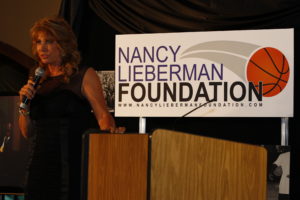
“It’s an amazing event. Every year it gets bigger, it gets better and I really expect nothing less from Nancy Lieberman.”
Former NBA player Stephen Howard, speaking about the Nancy Lieberman Charities Dream Ball.
Expectations create challenges. When people anticipate you’ll deliver
something, you kind of have to do it. Basketball Hall-of-Famer Nancy
Lieberman made a career out of going beyond the norm, from making an
Olympic team as a high schooler to playing in men’s leagues to coaching
in the NBA. When she started a charity, she wanted to make it bigger and
better, too.
“I think all along she was trying to take it to where it is today, in
2017, and that’s where she’s having a huge red-carpet affair and
big-time people coming and donating and just giving back,” said Theresa
Pusateri, who assisted Lieberman in the formative years of what was then
called the Nancy Lieberman Foundation (now Nancy Lieberman Charities).
Helping
the Dream Ball grow has certainly required Lieberman’s legendary energy
and connections. Notables the caliber of Emmitt Smith and Martina
Navratilova attended the 2012’s inaugural Dream Ball, entitled “A Night
of Magic with Lady Magic,” and many more have followed. Maintaining
their participation, and that of sponsors and ticket buyers, has
required making sure they enjoy themselves enough to want to return the
next year. Here then, are a few of the memorable moments from past Dream
Ball galas that might have caused folks to jump up from their chairs
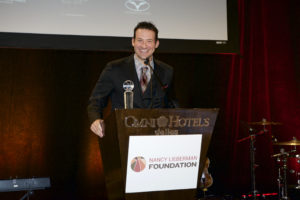
and take notice. 2012 : “Please help send Nancy to the Olympics.”
That’s what Nancy Lieberman said her neighbors wrote on the can they
passed around Far Rockaway, New York to raise money to send her to the
Olympic trials when Lieberman’s single mom couldn’t afford to send her.
The evening’s host told how that episode inspired her to charitable
pursuits and helped propel her to basketball success. photo by Carmine LiDestri 2013 : As in 2012, one can always expect to hear
some Lieberman’s compelling stories at her events. But in 2013, the
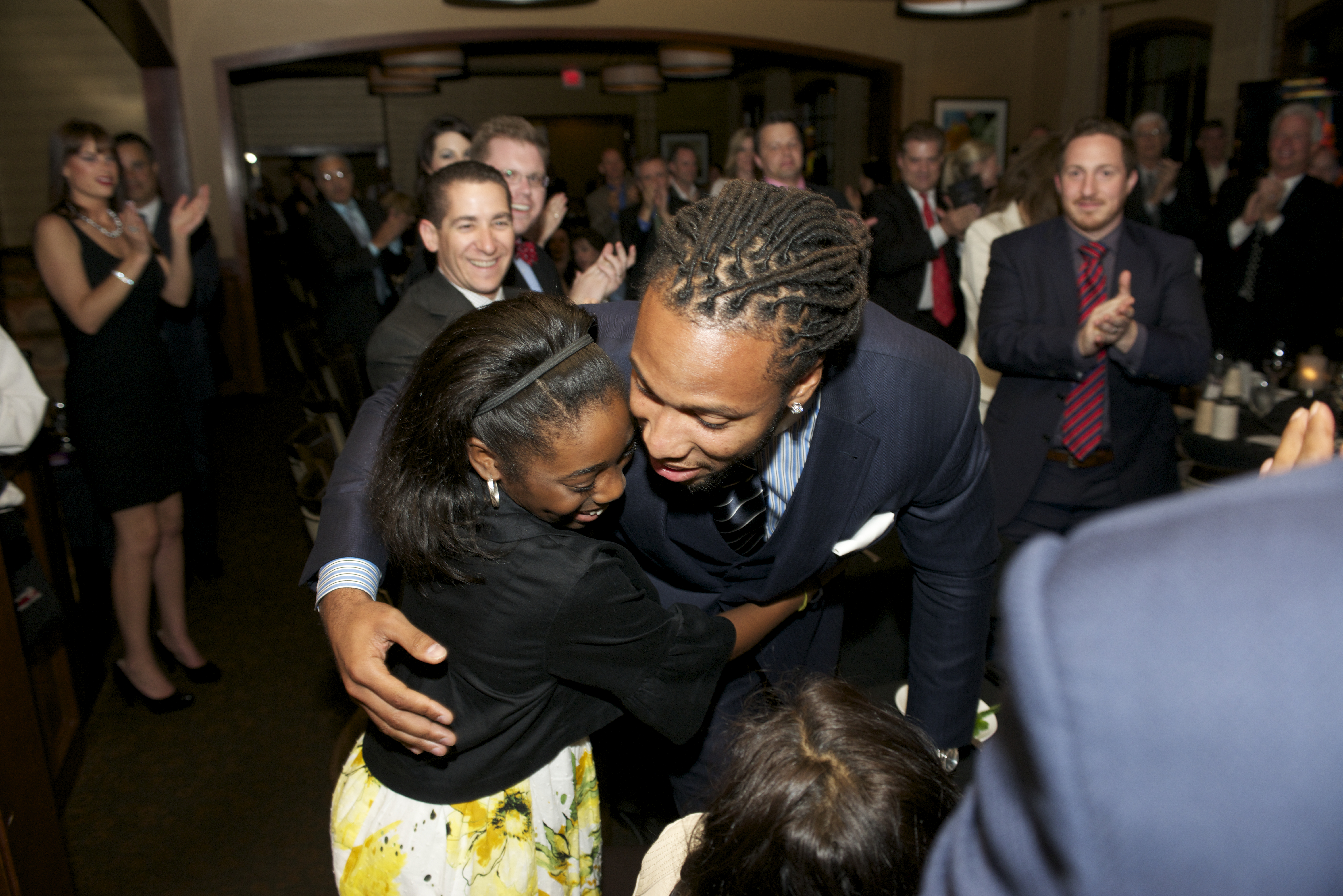
Dream Ball created its own amazing story. As the evening’s host, John
Rhadigan of Fox Sports Southwest put it, “Larry Fitzgerald went and he
did the most generous thing I’ve ever seen at one of these (charity
events).”
That evening at Ruth’s Chris Steak House the theme was “Together We
Can.” Starpower donated a big-screen TV as a raffle item, and the winner
turned out to be not one of the well-heeled guests or celebs, but a
girl named Katelyn Gordon whose family had benefitted from the
foundation’s outreach efforts.
“The little girl is so sweet. She tells me to tell Nancy ‘please
auction this off. We’re going to give this back so that we can auction
it off.’ So we’re like, ‘no, no, no, you keep it,’” noted Rhadigan. photo by Carmine LiDestri
The young lady insisted the TV become an auction item to benefit the
charity’s programs. The auctioneer started soliciting the bids, which
trickled in as auctions will do, getting over $1000 fairly quickly. Then
the Arizona Cardinals wide receiver made an exceptional offer.
Fitzgerald would pay $5,000 for the TV if, and only if, the little
girl’s family would keep it. That’s exactly what happened.
Rhadigan said, “It gives me chills when I retell the story. It was an unbelievable moment.” 2014 : Fitzgerald featured prominently the next
year, too, as he, Smith, and Deion Sanders participated in a roundtable
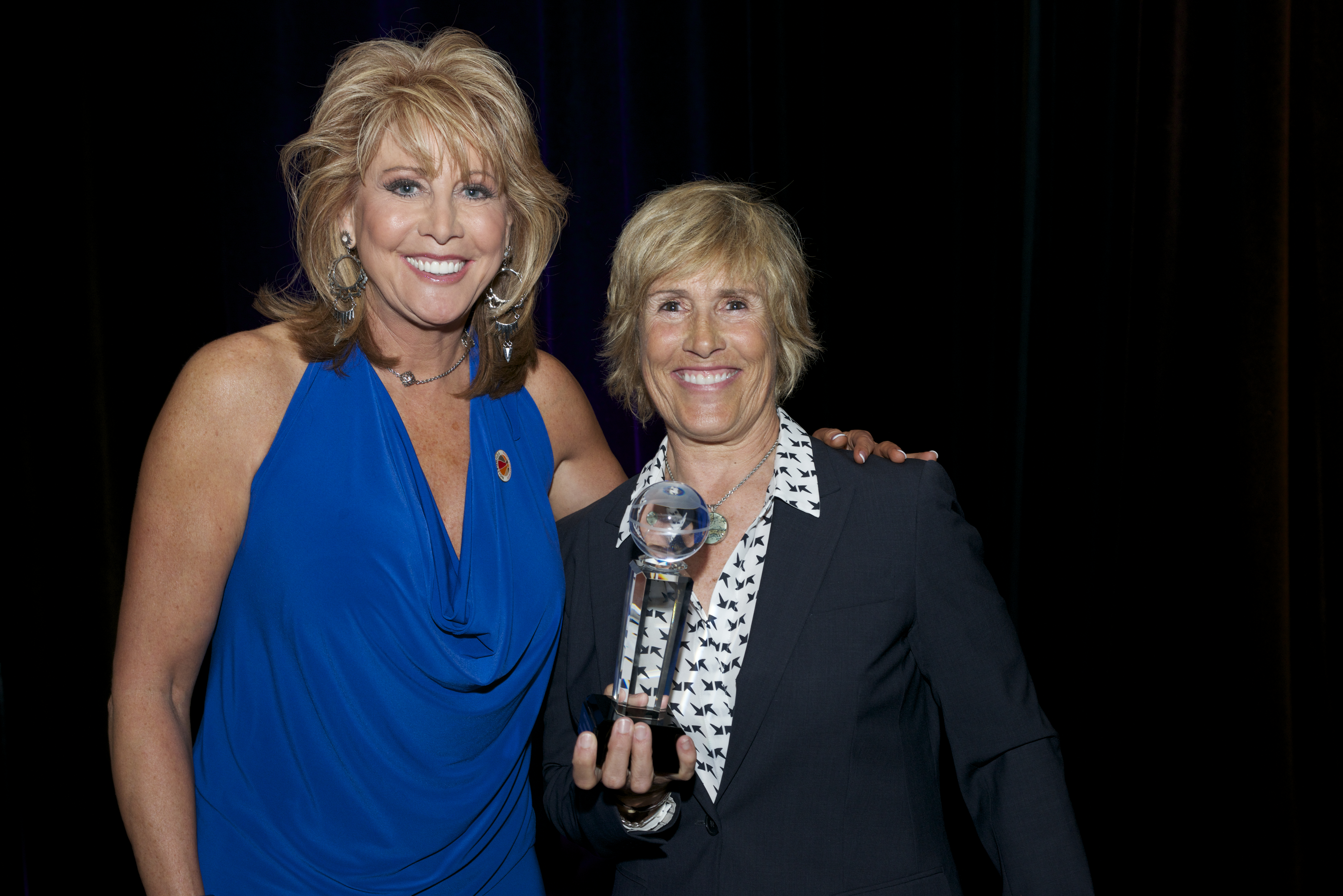
discussion with host Gina Miller. Perhaps the most inspiring messages,
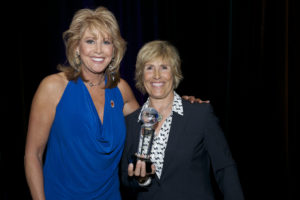
however, came from honoree Diana Nyad, who joked that “I’ve been on
Dancing with the Stars. It doesn’t get any bigger than that,” before
delivering some profound wisdom that spoke to why the event bears the
name it does. photo by Carmine LiDestri
“What makes us feel alive is our dreams,” said the athlete who, at
the age of 64, had just completed a 53-hour Cuba-to-Key-West swim on her
fifth try. “All of us – every human being on this planet – suffers
heartache, knows disappointment, and worse. And if you see where you’re
going, you imagine it, you envision it. You bring good people around you
to get there. You run up against obstacles. You get thrown back by
jellyfish, whatever it is. And if you find a way around, if you do not
give up on that vision, eventually you walk up on that shore.” 2015 : The charity honored Dallas Cowboys
quarterback Tony Romo and he proved himself worthy in more ways than
one. Early on in the evening, as the auctioneer sought bidders for
backpacks that would help send kids to basketball camp, Romo and his
wife bought all the remaining stock. When it came time for him to accept
his award, Tony Romo didn’t mail in a perfunctory thank-you speech. photo by Carmine LiDestri
The media latched onto a small portion of the talk wherein he
predicted his team would go to the Super Bowl, apparently considering it
somehow newsworthy that a star player might think his division-winning
team from the year before would advance slightly further in 2015.
Hopefully, however, those who watched Romo’s speech because of the
prediction also paid attention to the rest of the talk, as he provided
powerful insight into why programs like those of Nancy Lieberman
Charities benefit children. He talked of the “10,000 hours” necessary to
acquire expertise in a skill, and how an entity that builds basketball
courts where there are none, or sends kids to camps they would otherwise
not attend, can help a child achieve great things.
“To give these kids that avenue and that chance to start that process earlier?” he said. “That’s a gamechanger.” 2016 : As always, sports played a major role in the
Dream Ball program. Cowboys Executive Vice President and Chief Brand
Officer Charlotte Jones Anderson was introduced by her father, Jerry, as
she received her award. Mavericks coach Rick Carlisle brought up his
boss, team General Manager Donnie Nelson. But music, in some ways,
grabbed the spotlight on this night. From Jerry Jones dancing a bit to
the opening music to dance numbers from the Cowboys Cheerleaders and the
Mavs ManiAACs, the evening featured a lively soundtrack.
Two moments stole the show, however. The first one came before the
auction. Many charities will play a video describing their work before
asking attendees to spend money supporting it. This video featured a
custom musical track, as local artist Big Joe Walker had recorded a
version of one of Lieberman’s favorite songs “With A Little Help From My
Friends” especially for the event. As soon as Walker’s powerful voice
hit the opening lyrics, the room fell completely silent, a reaction
rarely, if ever, seen at an event of this type. It remained that way
throughout his sparse yet arresting rendition. photo by Carmine LiDestri
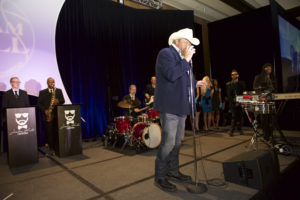
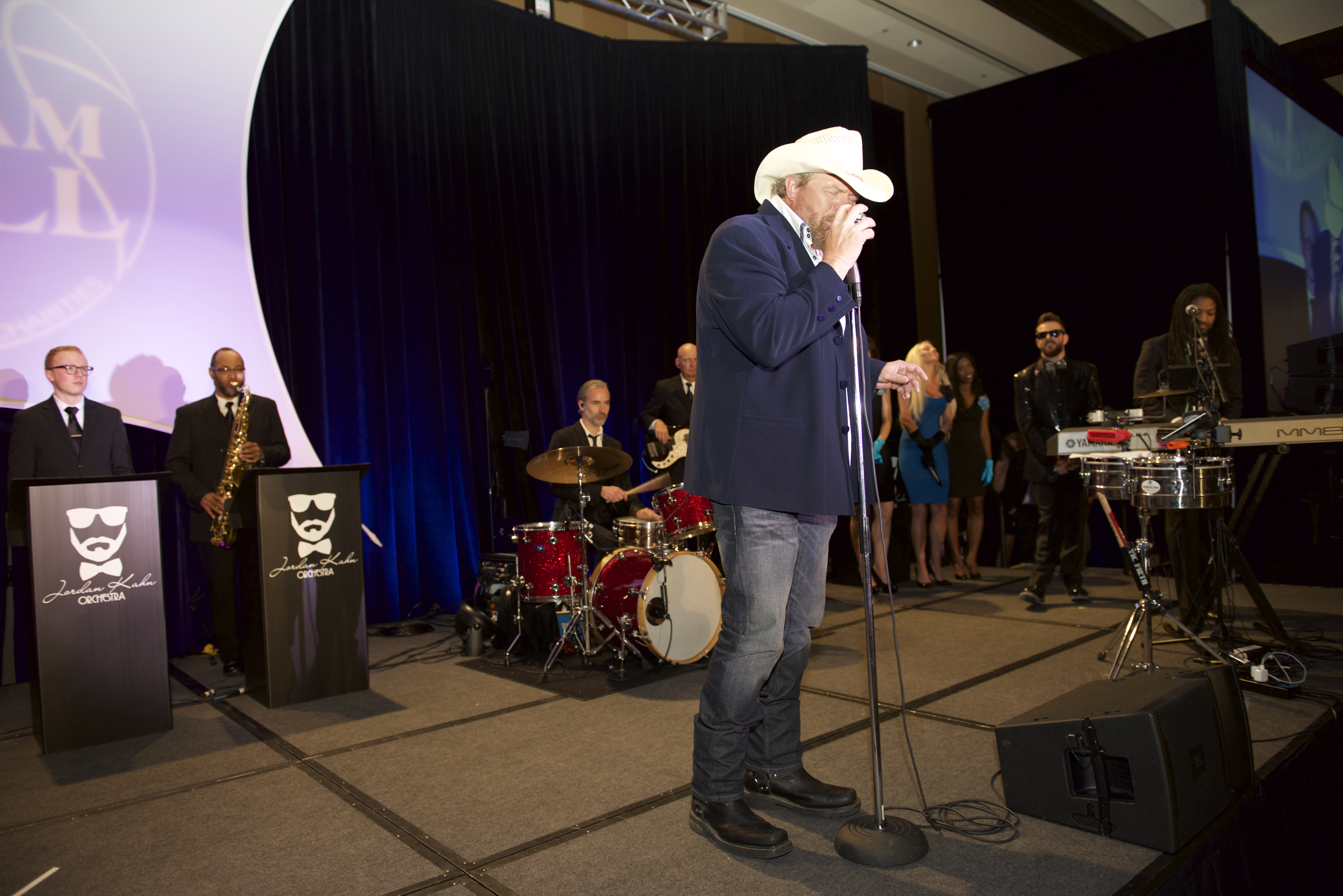
The evening’s final honoree provided a moment that all who attended
will not forget. Toby Keith accepted his award, and then strolled to the
microphone for an impromptu performance with the Jordan Kahn Orchestra.
They filled the intimate setting with a cover of the Bill Withers song
“Ain’t No Sunshine,” followed by one of the tunes that got Keith into
the Songwriters Hall of Fame, “Should’ve Been a Cowboy.” Keith, gracious
throughout, name checked the house band and gave the saxophone player a
solo.
Nancy Lieberman has earned the trust of a lot of famous friends over
the years, so the expectation will indeed be for future Dream Balls to
continue to provide memorable happenings. To ensure the event’s
continued success, she might have even grown her own star power, as son
T.J. Cline has turned into a legitimate professional prospect hooping at
the University of Richmond. In fact, T.J. has actually exceeded
expectations on that front – apparently that quality runs in the family.
This year’s Nancy Lieberman Charities Dream Ball happens February 20
at the Factory Ballroom in Deep Ellum. Tickets are available at
nancyliebermancharities.org.
Rush Olson has spent two decades directing creative efforts for sports teams and broadcasters. He currently creates ad campaigns, television programs, and related creative projects for sports entities through Rush Olson Creative & Sports and FourNine Productions.
With pundits predicting a turbulent year, I decided to begin 2017 with a comforting, familiar ritual.
I watched sports.
This was not, however, my father’s New Year’s GameDay (although I can
assure you my Pops did watch sports on January 1). Since I can
remember, the first day of the year has consisted of remaining
couchbound while watching college football from morning until deep into
the evening.
I
attended a collegiate sporting event on NYD, but it wasn’t the Goodyear
Cotton Bowl. In fact, it wasn’t football at all. I drove to Denton to
watch the University of North Texas Eagles host a women’s basketball
game against Old Dominion University. I went because I needed footage
for a project on which I’m working, but the game had plenty to recommend
it anyway. Old Dominion’s Jennie Sims has been one of the nation’s top
scorers this season and the game turned out to be an entertaining one.
North Texas’ defensive scheme held Simms in check and the Mean Green
pulled away late for their first conference win of the year (well, you
know, by “year,” in this case, we mean “season”).
So I was glad I went, but it occurred to me how the sports routine
has changed from the days of the Wake-Up-Late,
Blearily-Heat-Up-Velveeta/Chips/Black-Eyed-Peas,
Watch-Minor-Bowls-Cotton-Bowl-Rose-Bowl-Sugar-Bowl/Orange-Bowl sequence
we repeated year after year.
For one thing, there were no college football games on New Year’s Day
2017. That had more to do with the day of the week than any structural
changes. The New Year’s Six Bowls have traditionally avoided Sundays,
moving their games to Mondays when the calendar flipped on the Sabbath.
If you didn’t join me at the hoops game, you still had plenty of
football to occupy yourself on whomever’s sofa you woke up on, as the
NFL played a full slate of games.
This whole New Year’s Six thing is a recent concept, with a half
dozen preferred bowls rotating in hosting national semi-finals. The last
couple of years, however, those highly important games haven’t happened
in the new year at all. They’ve actually been the Old Year’s Two, with
the semis staged on New Year’s Eve. And the Capital One Orange Bowl
happened on December 30 this year (or, um, last year), the earliest it’s
ever been played. And, of course, neither the Cotton Bowl nor the
Orange Bowl are actually played any more in the stadiums called the
Cotton Bowl (which instead hosts the Zaxby’s Heart of Dallas Bowl) and
the Orange Bowl (which instead hosts the Marlins baseball stadium that
replaced it).
On January 2, I did manage to watch some college football, including a
compelling Rose Bowl (still played in a stadium called the Rose Bowl)
decided on a last-second field goal following a last-minute
interception. Only four bowl games spread across the waking hours made
for a somewhat skimpy football menu compared to years gone by, but other
sports have stepped in to fill the void. I also spent part of my Bowl
Day watching the St. Louis Blues defeat
the Chicago Blackhawks in an ice hockey game played in a baseball
stadium. I also took an interest other televised football that morning,
specifically association football from England. Growing up, I wouldn’t
have been able to anguish over the draw between Liverpool and
Sunderland, but the same expansion of cable TV that gave ESPN dominion
over most bowl game telecasts enabled me to get my morning soccer fix,
too.
If you did want to watch women’s college basketball on January 1, but
didn’t want to go to a game with me (totally understandable), the NCAA
had 37 other Division 1 contests scheduled that day, with another 41 on January 2. They also had 60 D-1 men’s hoops games available over the year’s first 48 hours, plus a handful of ice hockey games.
Speaking of stick and puck, the Dallas Stars have traditionally
played on New Year’s Eve (a really fun night out – if you’ve never done
it, give it a try some year). Their league played a bunch of games that
night, plus another half dozen over January 1-2, including their
aforementioned signature Winter Classic outdoor game. The NBA had plenty
of games all three days, too.
I’m not being curmudgeonly here. Things weren’t necessarily better
when I was a kid. Having this many sports choices rocks. So if your
misgivings about 2017 have focused more on the Electoral College than
collegiate athletics, take heart. At least sports has made progress since the days of Wallace, Nixon, and McGovern.
Rush Olson has spent two decades directing creative efforts for
sports teams and broadcasters. He currently creates ad campaigns,
television programs, and related creative projects for sports entities
through Rush Olson Creative & Sports and FourNine Productions.
Most folks attend a football game to enjoy themselves in the
moment, whether by playing or watching. The game can have a purpose
beyond the immediate outcome, though.
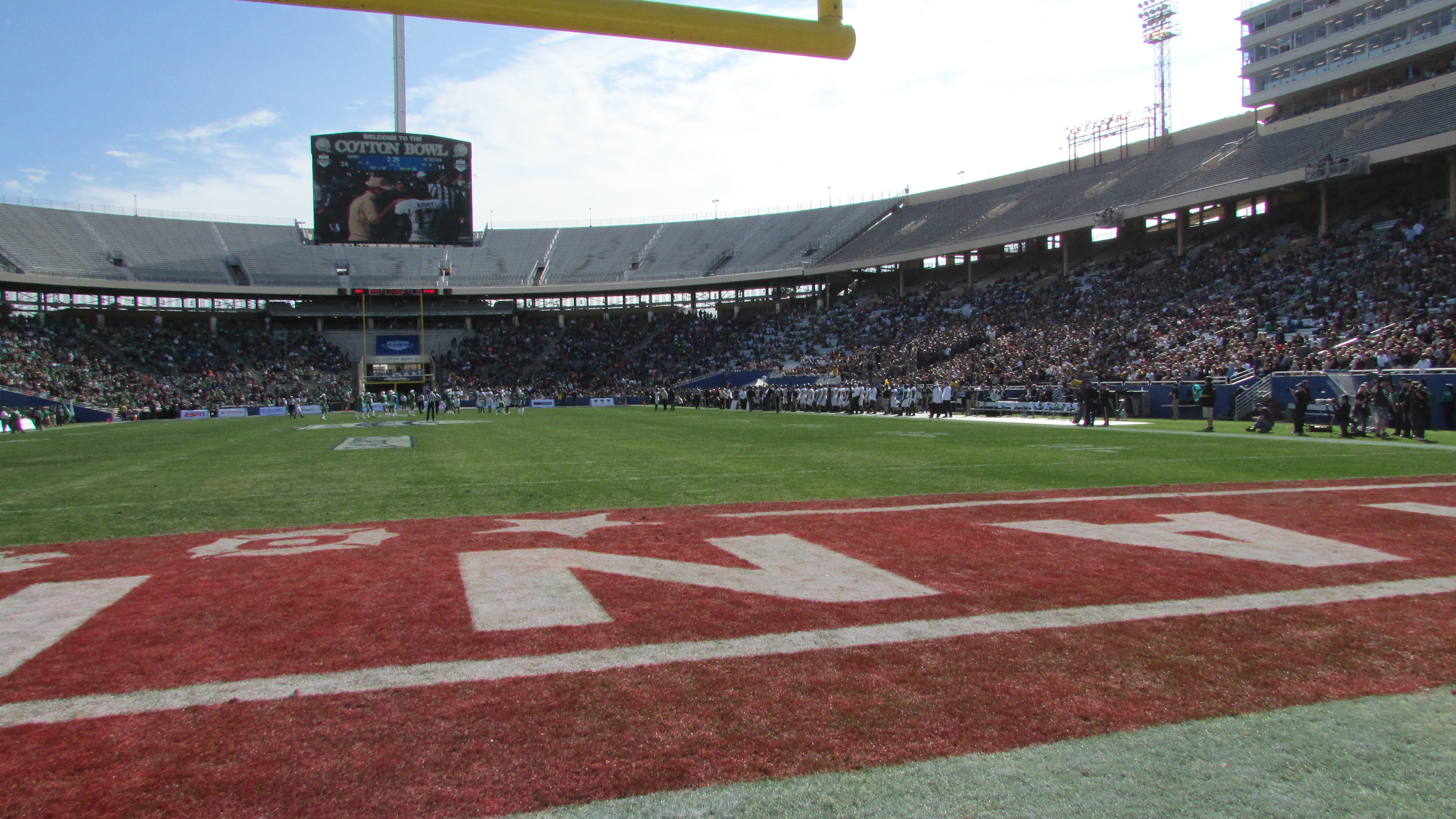
Watching Army play North Texas in the Zaxby’s Heart of Dallas Bowl
certainly proved entertaining, as the Black Knights defeated the Eagles
in a back-and-forth overtime contest. Beyond the Cotton Bowl, the
organizers hope certain effects linger after that final whistle.
I asked Brant Ringler about those effects in this video interview.
How might participation in a bowl game help the programs involved? What
do the student-athletes get out of it? Is there a charitable impact?
The ZHODB has historically included initiatives
related to first responders and, through the Heart of Dallas nonprofit,
awards monies to area charities. Ringler works for ESPN and serves as
Executive Director for both the Zaxby’s Heart of Dallas Bowl and the
Lockheed Martin Armed Forces Bowl held in Fort Worth.
Rush Olson has spent two decades directing creative efforts for
sports teams and broadcasters. He currently creates ad campaigns,
television programs, and related creative projects for sports entities
through Rush Olson Creative & Sports and FourNine Productions.
Saturday in Arlington, AT&T Stadium hosted a big high
school football event – a tripleheader of state championship games in
Texas’s largest classifications. For DeSoto High School supporters, the
trip from south of Dallas to Tarrant County would prove especially
rewarding. Not only did their varsity squad win the school’s first state
title that afternoon, a former player on the Eagles’ JV squad scored an
important victory of his own.
A 2009 practice collision cost Corey Borner the use of his legs. When
his devastating injury happened, a charity called Gridiron Heroes
reached out to Borner. Eddie Canales and his son Chris helped the
then-teenager and his family adjust to his new situation, as they
steadfastly do for any high school football player who suffers a
paralyzing injury playing the game they love.
On Saturday, the Canales clan, including mom and wife Pita, got to
award Borner one of the most important items a family in his situation
needs : an accessible van. They did so thanks to a fundraising drive
orchestrated by the Texas Association of Sports Officials. Game
officials and sponsors from across the state raised funds to buy a
discounted van from Alamo Mobility. Borner’s previous vehicle had worn
out and the new one will provide him and his family needed mobility and
independence.
The
Schertz-based Canales family has a special frame of reference when it
comes to helping former players in Borner’s situation, since Chris has
occupied a wheelchair since his own in-game mishap in 2001. They now use
their own hard-won knowledge about facing such situations to ease other
families’ struggles.
A big part of their message involves keeping a positive attitude and
Borner provides an example to point to. In fact, the former DeSoto Eagle
helps the charity out by showing off his optimistic disposition in
making outreach appearances on Gridiron Heroes’ behalf when the Canales
men find themselves spread too thin. You can get a feel for Borner’s
outlook and his thoughts on Gridiron Heroes in the accompanying video interview.
I’ve written about Gridiron Heroes before, and I probably will again.
If you work in the sports business, as I do, or if you love sports,
it’s not hard to muster deep appreciation for the work the Canales
family does. You can learn more about the Gridiron Heroes mission in my previous interview with Eddie Canales or at their website at gridironheroes.org.
Rush Olson has spent two decades directing creative efforts for sports teams and broadcasters. He currently creates ad campaigns, television programs, and related creative projects for sports entities through Rush Olson Creative & Sports and FourNine Productions.
This post originally appeared at the Fort Worth Weekly's website. To view it there : https://www.fwweekly.com/2016/12/15/what-2016-looked-like-to-rush/
Every December, I choose a photo from the year gone by to use for my
company Christmas card. If I like you and I have your address, you have
probably gotten one whether you wanted it or not. Don’t be insulted if
you didn’t get one. It doesn’t mean you were naughty, it just indicates
my spotty address list isn’t up to date.
In any case, as I went
through 2016’s collection, I thought some of them were either good
images or had a good story behind them, or both. I could only use one
for the card, so I thought I’d share some of the other interesting ones
in this post. What did Martina Navratilova say when she realized we were
shooting her video in a hotel room? What the heck are those men in
shorts doing on the Dell Diamond baseball field? And, wow, showgirls?
See it all here.
I took these photos unless otherwise credited, so any mistakes are mostly on me.
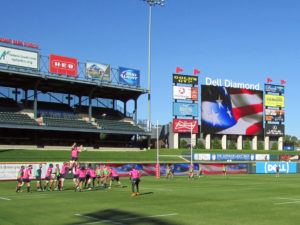
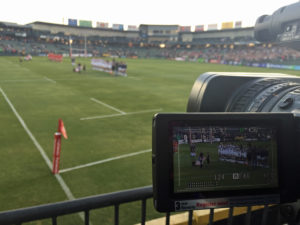
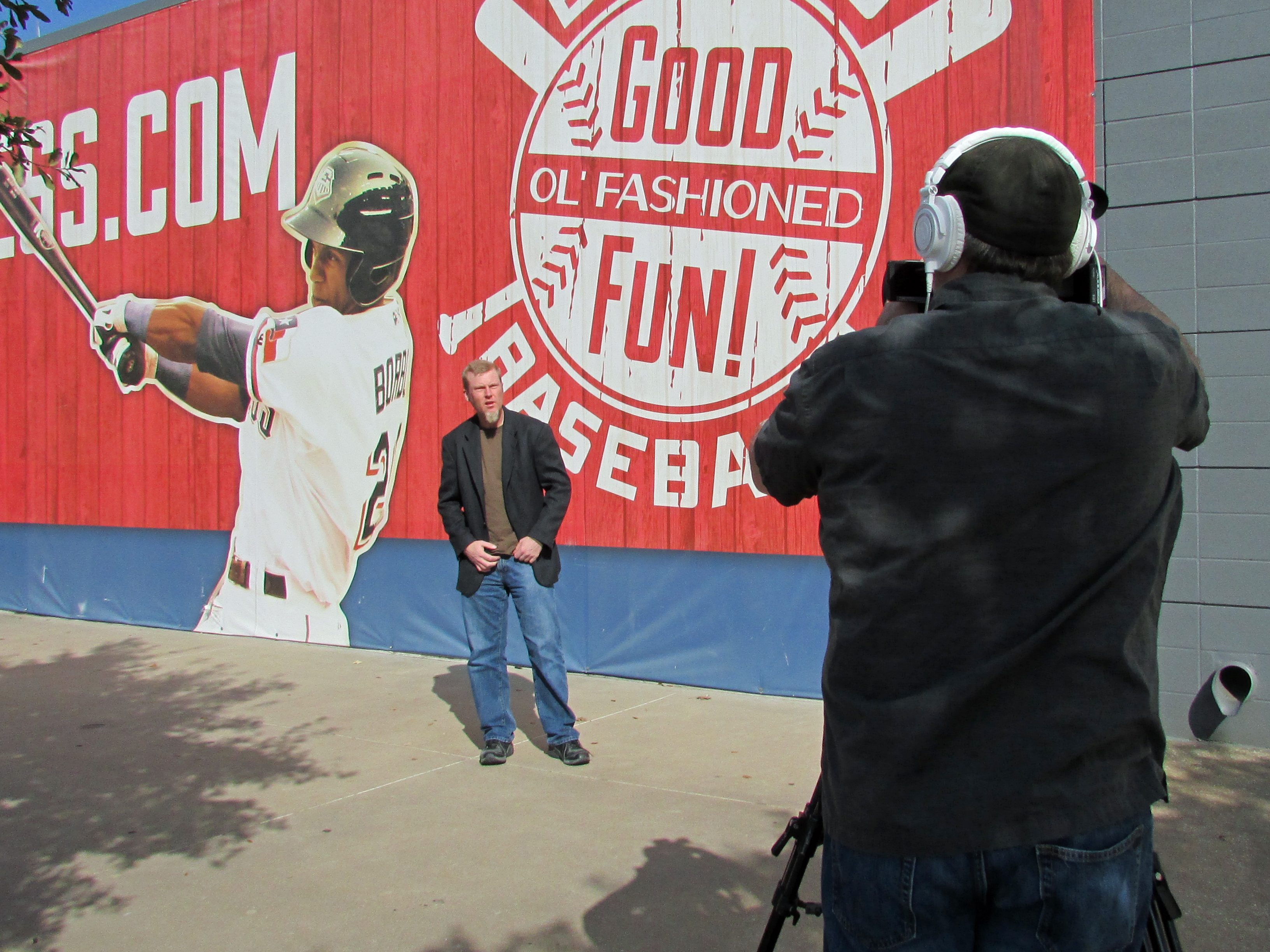
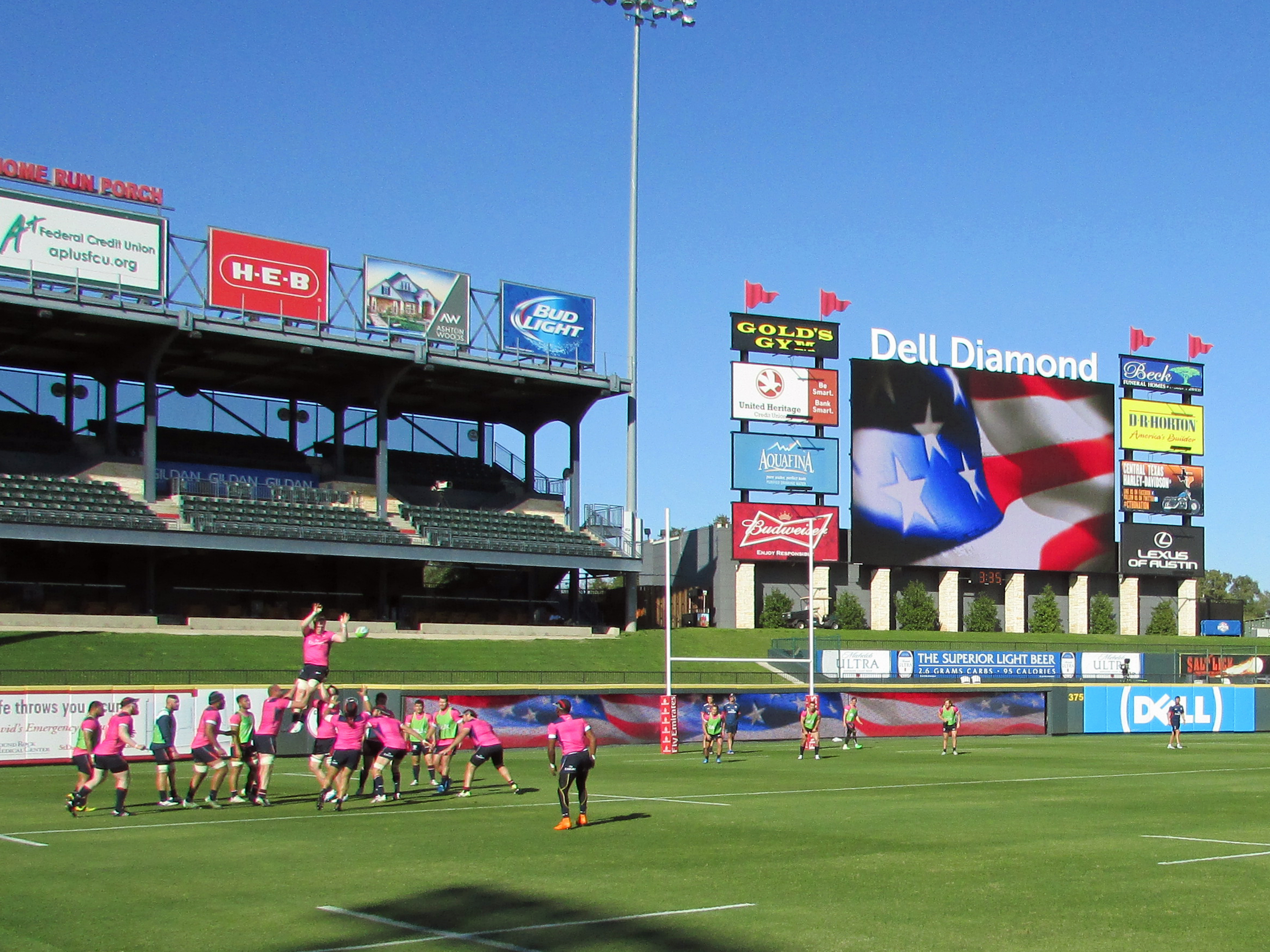
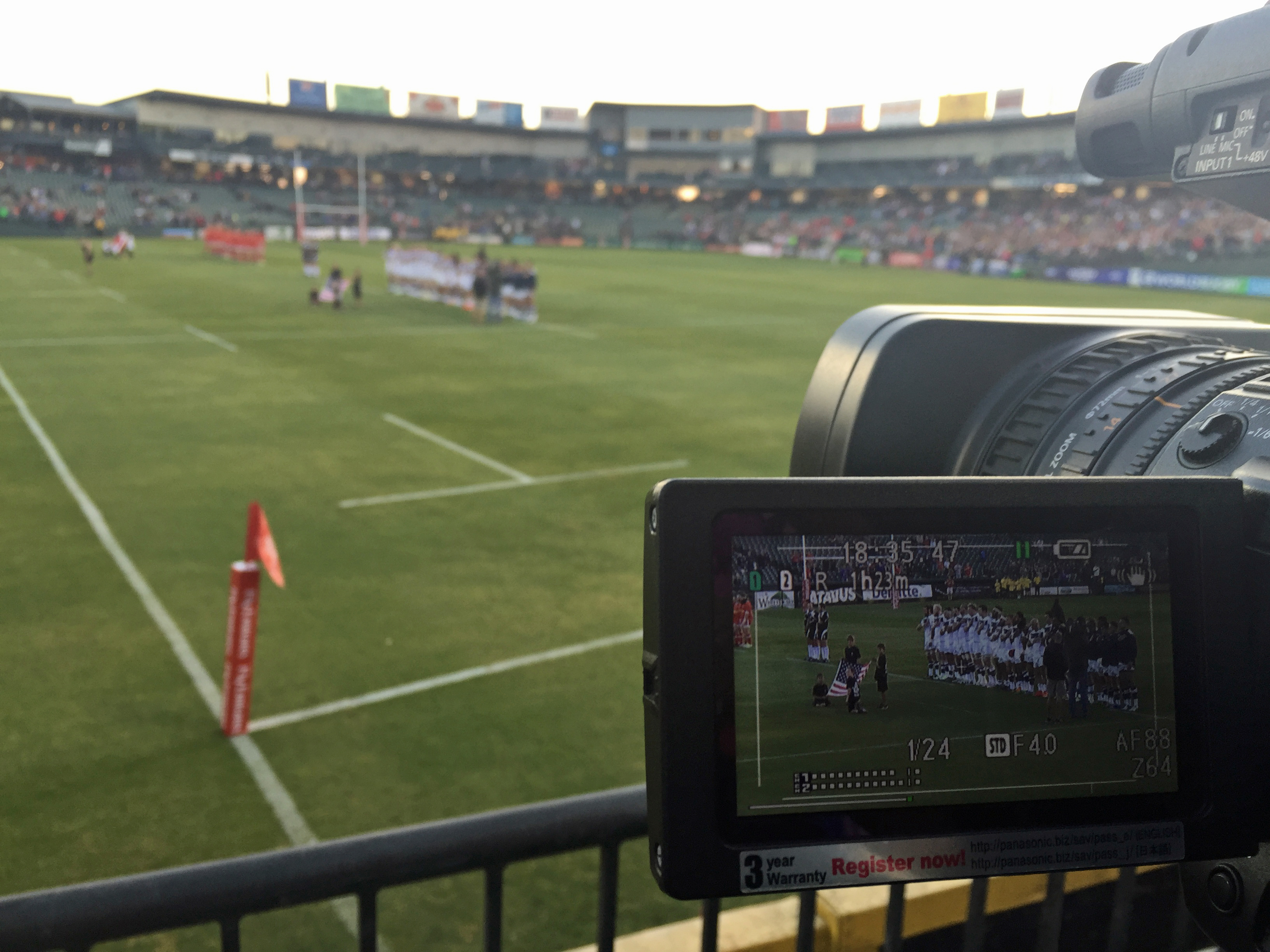
USA Rugby in Round Rock – February, 2016
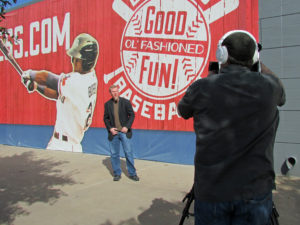
In
one of these shots, you see me with a microphone in front of a baseball
stadium. But the day’s work had nothing to do with baseball. USA
Rugby’s men’s XVs side defeated Canada in an Americas Rugby Championship
tournament match. It was fascinating to see the pitch laid out on the
ballfield. USA Rugby must have liked it, since they’re returning to the venue in 2017.
photo by Lori Gunter French
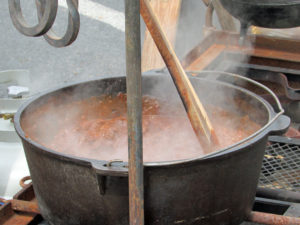
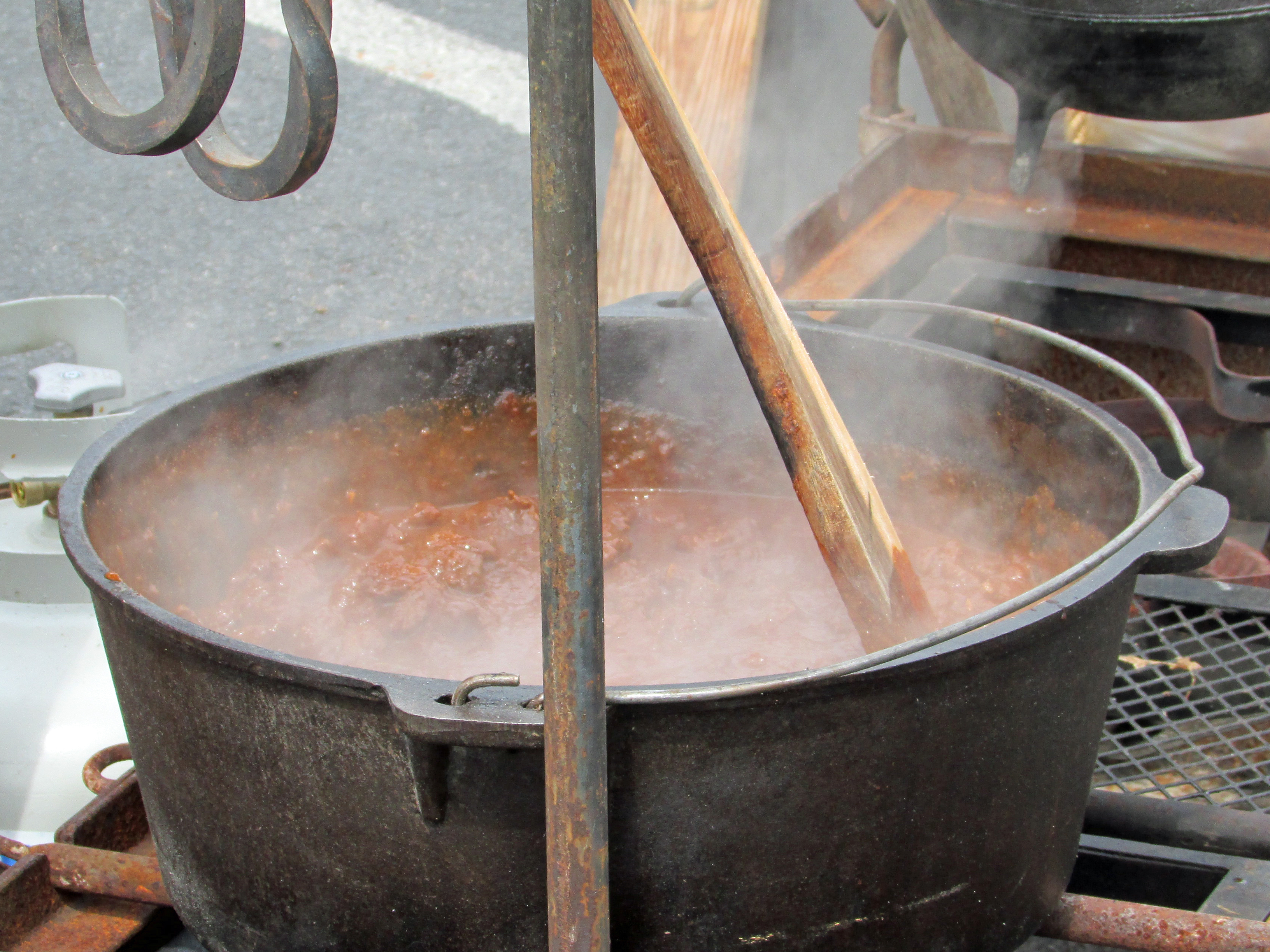
Fort Worth Weekly Celebrity Chef Chili Cook-Off – March, 2016
The Weekly held
a chili cook-off earlier this year and I just loved this shot of a
steaming pot of Fred’s chili. I also included a shot of the awards, not
because it’s a great photo but because it includes a shot of Weekly
associate editor Eric Griffey applauding and I’m attempting to
shamelessly curry favor by including him in this no doubt
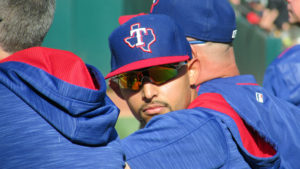
critically-acclaimed post. Eric edits my stuff. Texas Rangers – Spring/Summer 2016
I
made it out to a few Rangers events this year, including the unveiling
of the new food items you’d consume at the ballpark during the season.
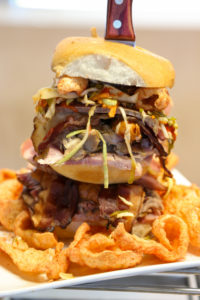
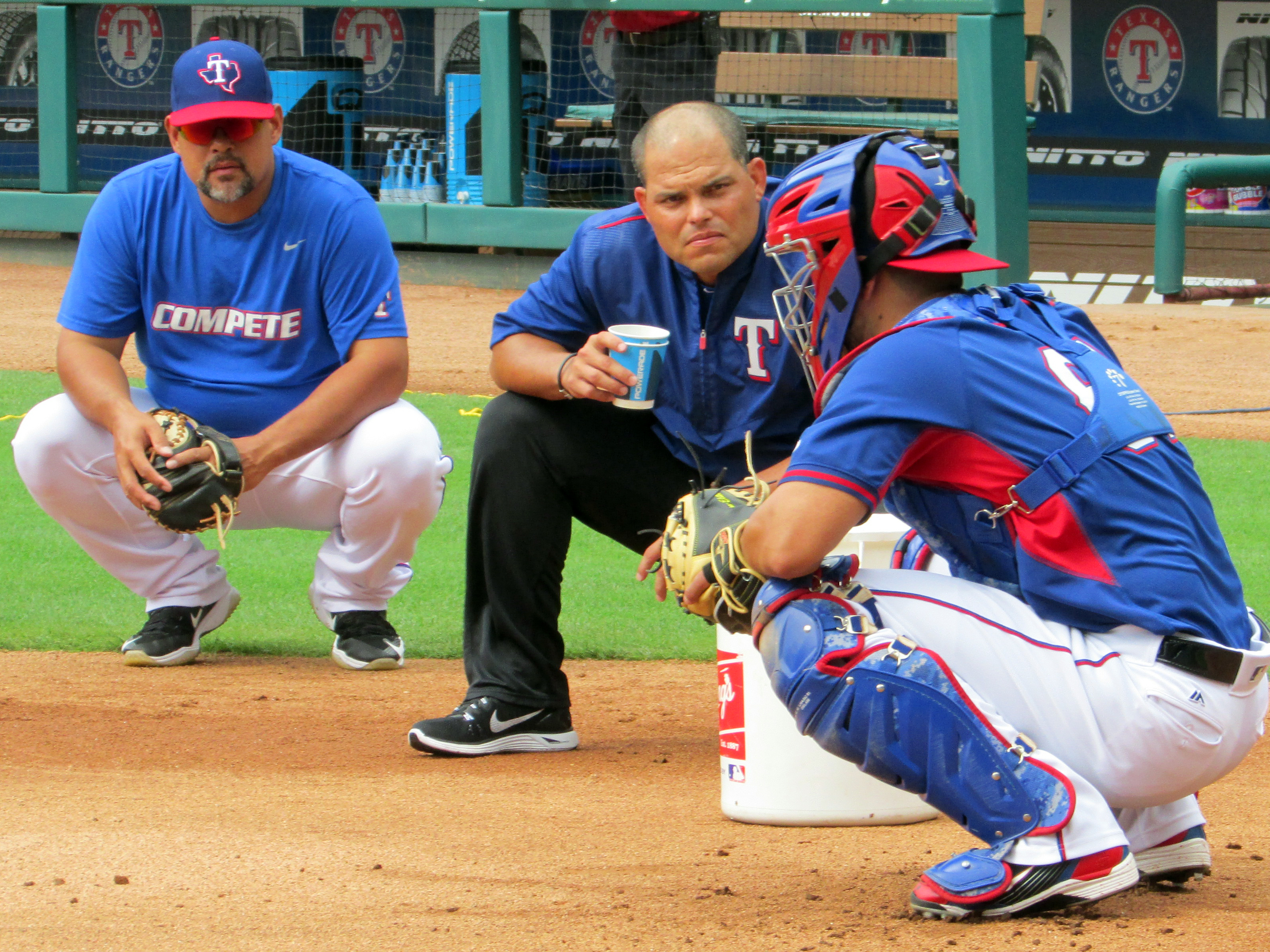
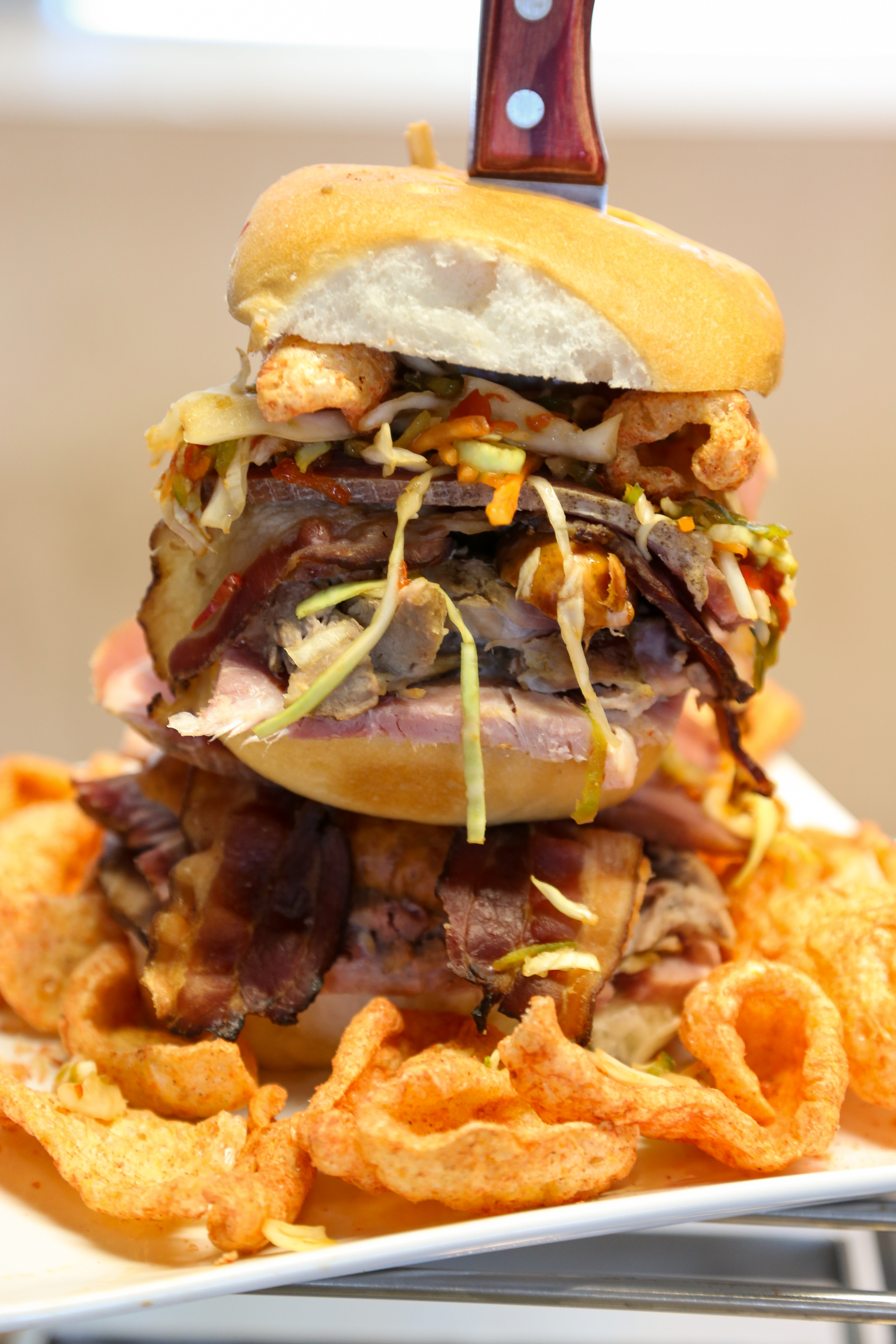
Pictured here is the Wicked Pig, a sandwich packed with more pork than
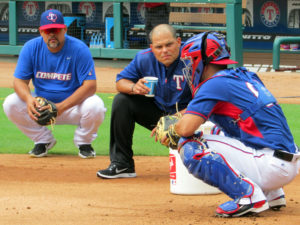
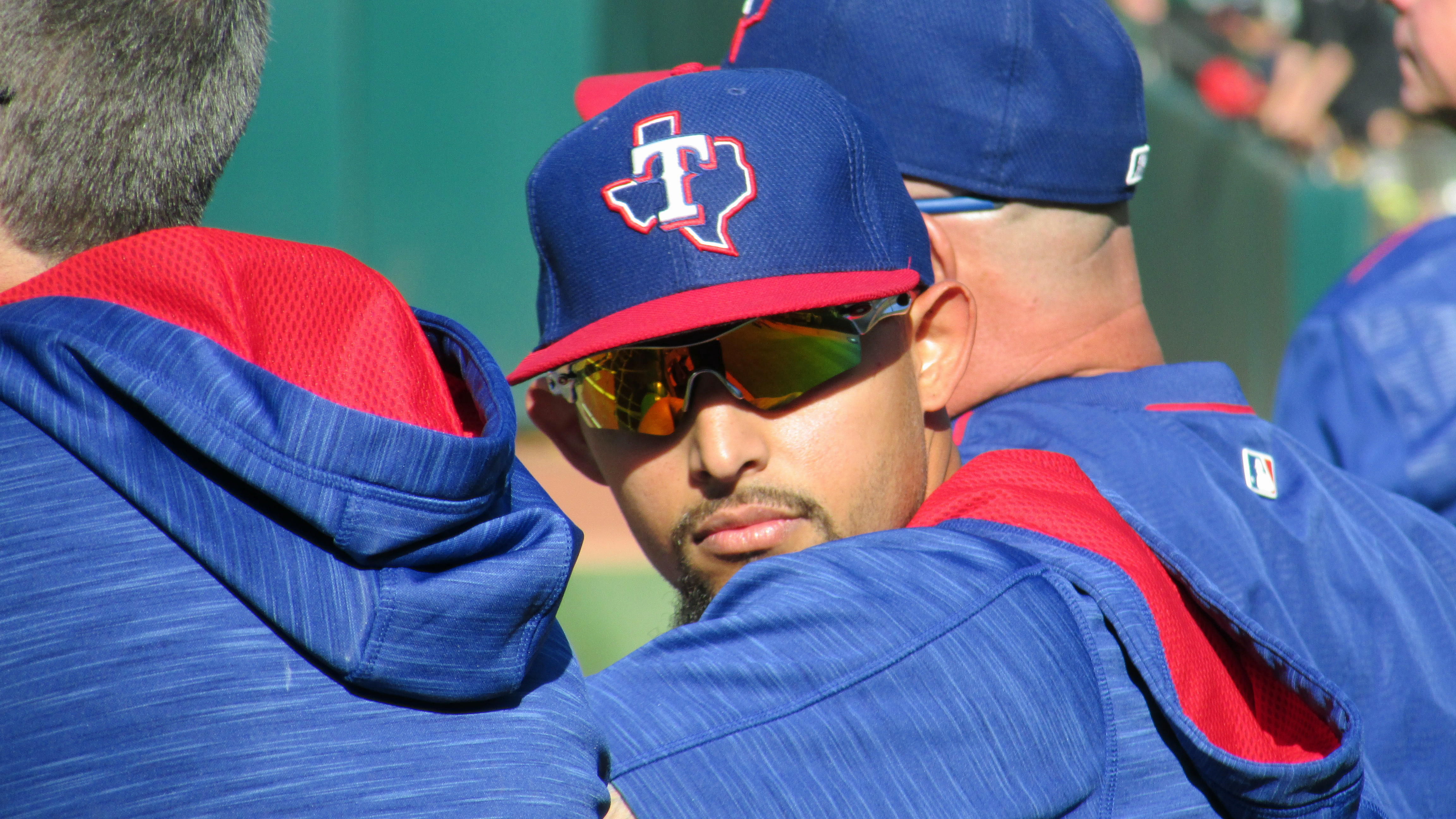
an energy subsidies bill. There’s also a shot of Pudge Rodriguez,
clearly coaching with the same intensity he displayed while playing. I
also added a shot of Rougned Odor by the batting cages in Oakland just
because I thought it was a cool shot.
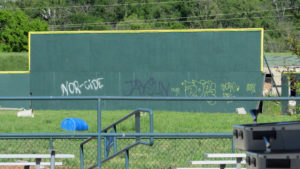
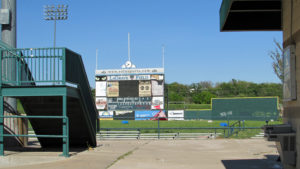
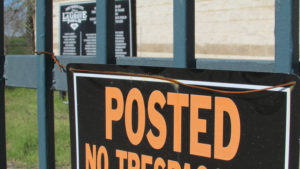
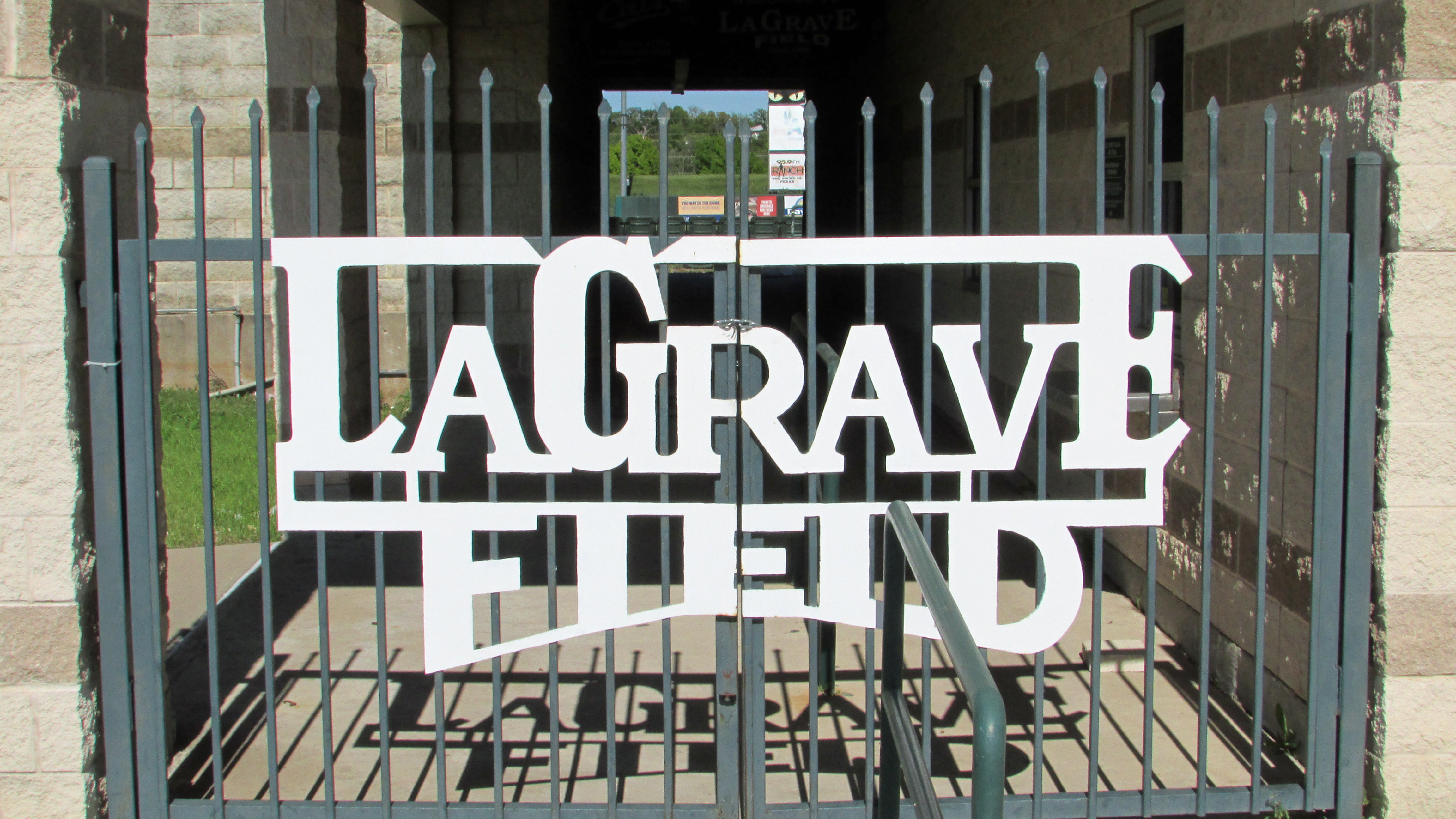
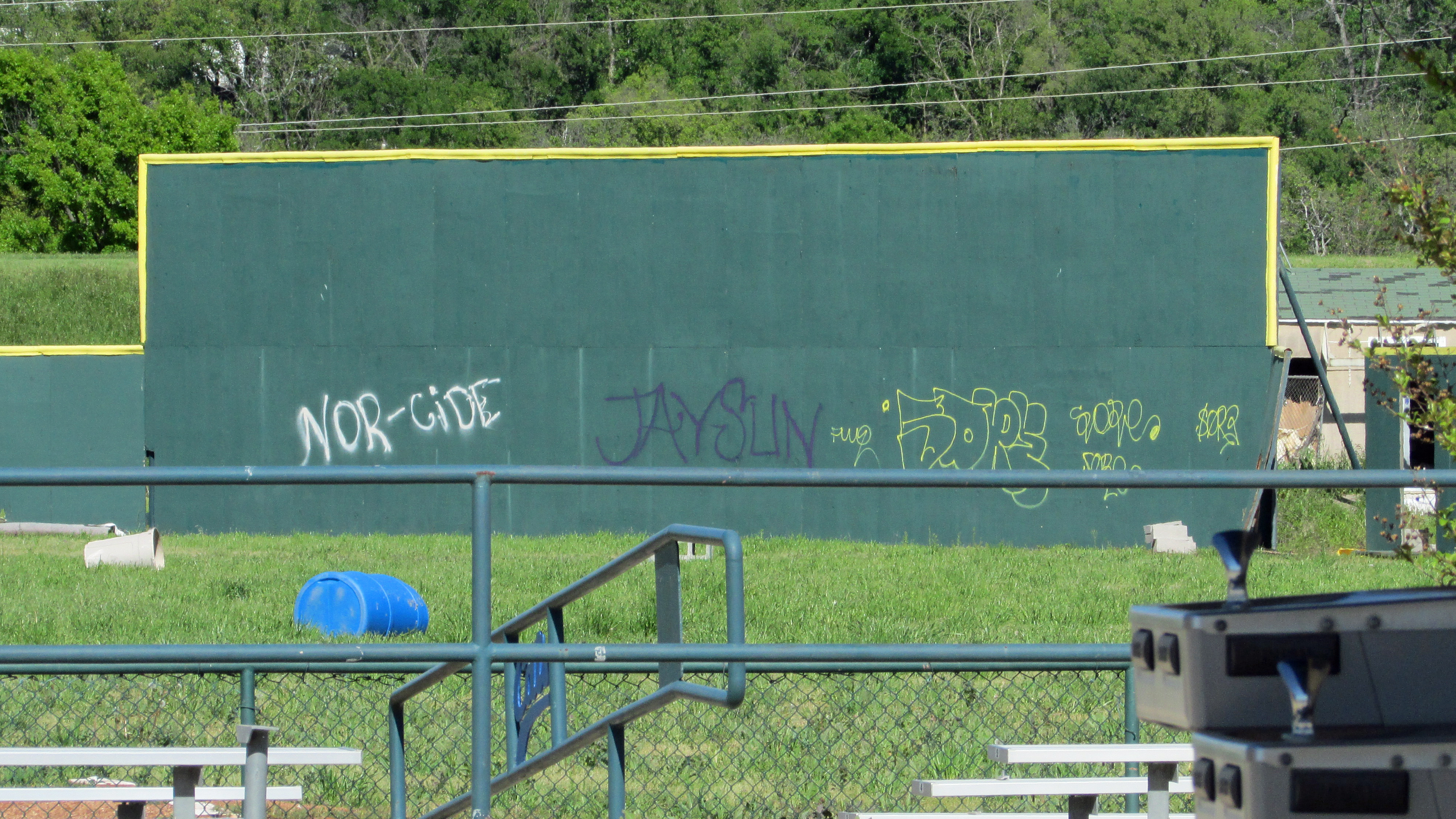
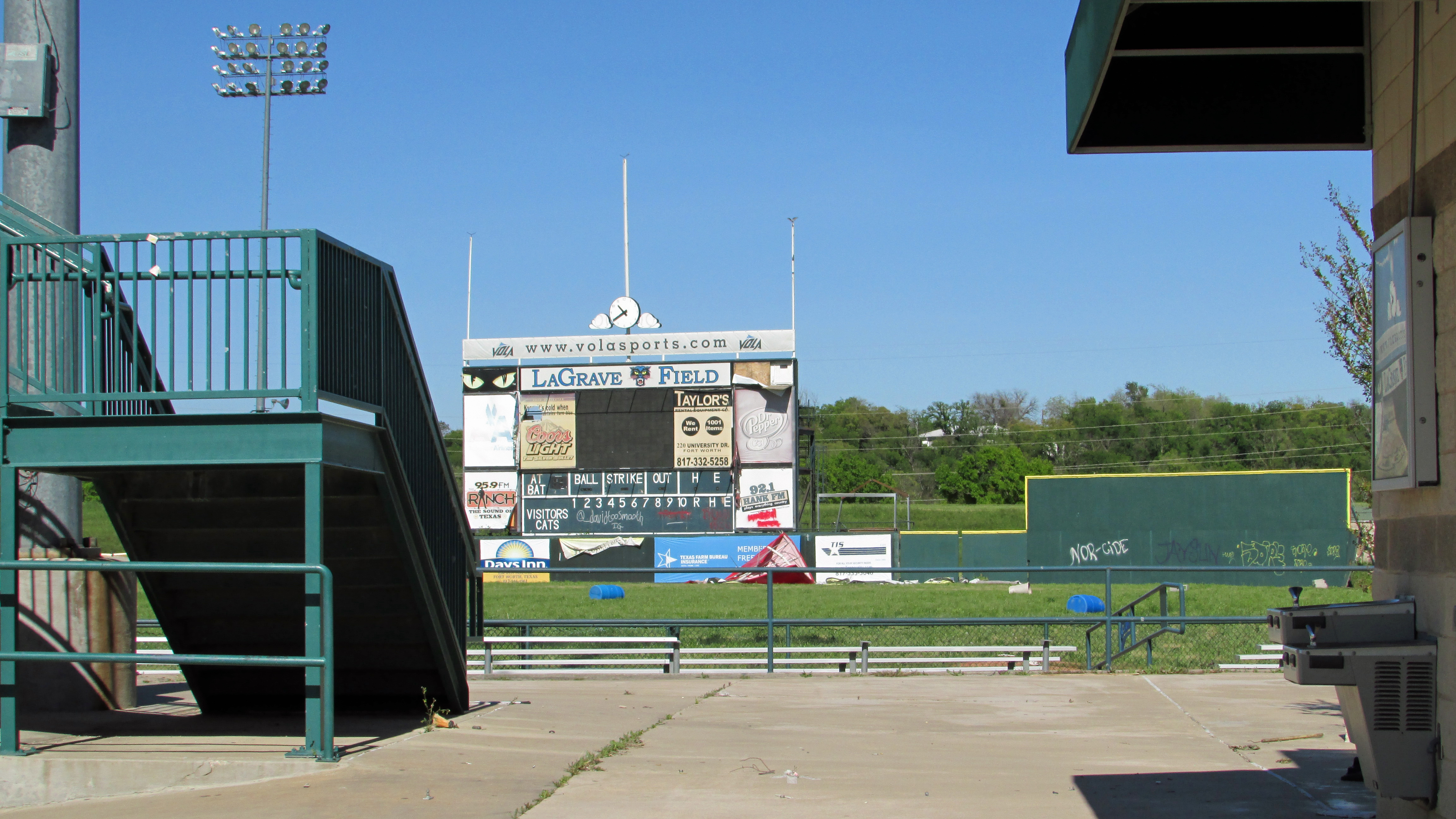
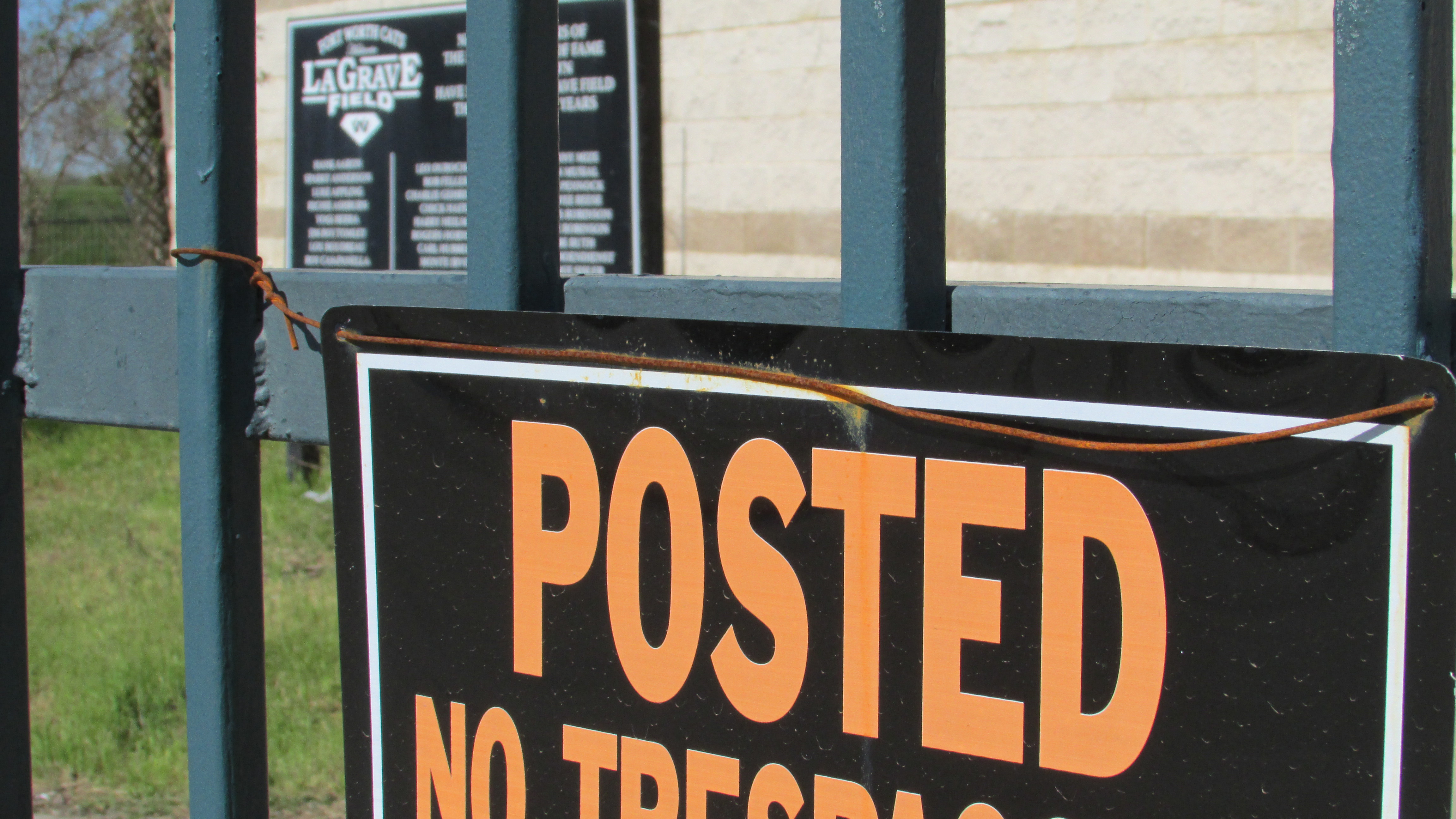
LaGrave Field – Spring/Summer 2016
These
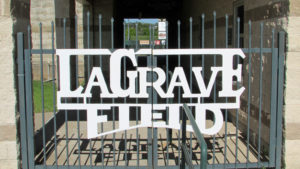
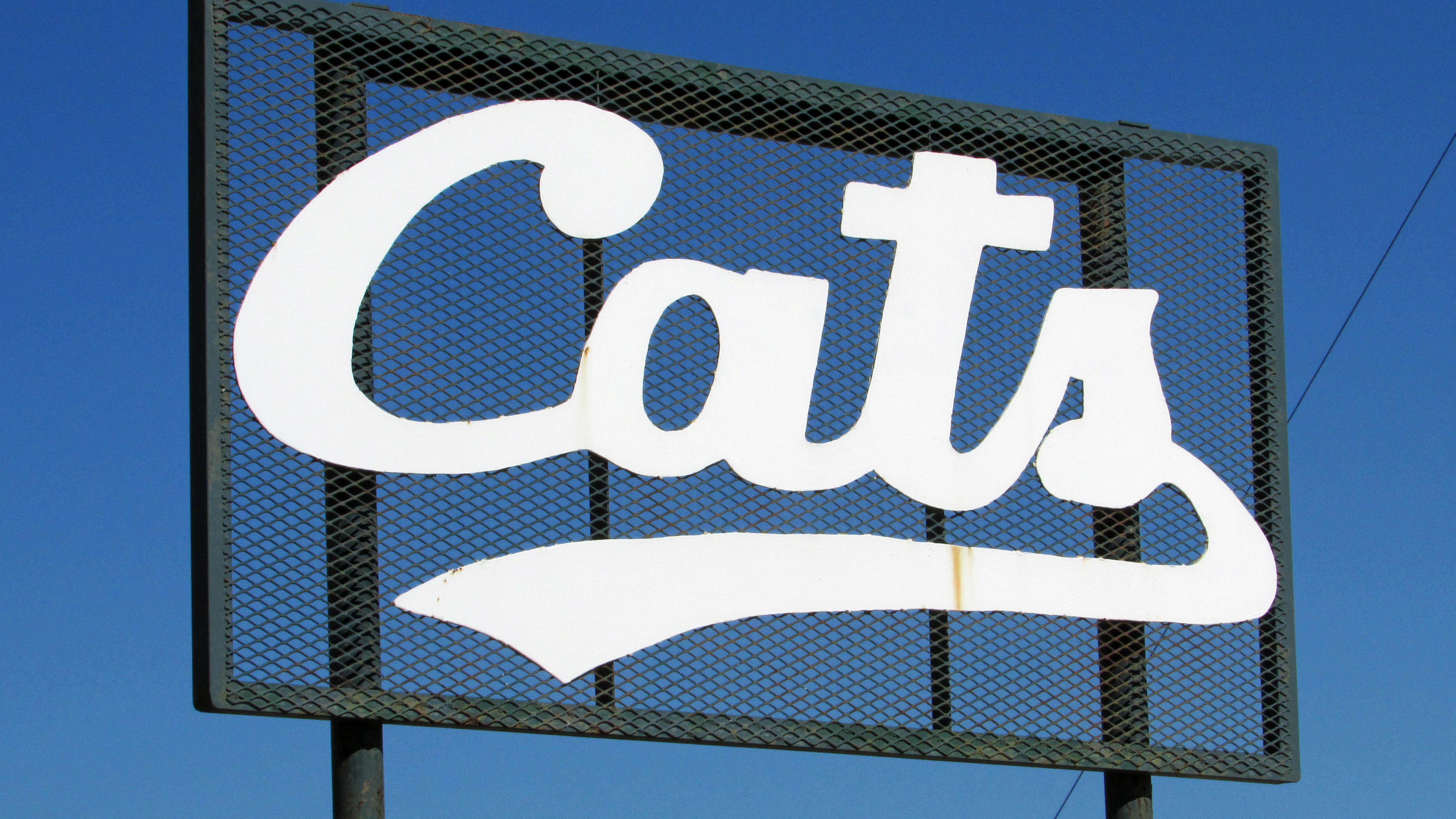
baseball images are less cool than the Rangers ones. LaGrave Field,
historic home of the Fort Worth Cats, sits abandoned. These photographs
came from March and June, and unfortunately the little ballpark with the
great view of downtown and the prestigious past still has an uncertain
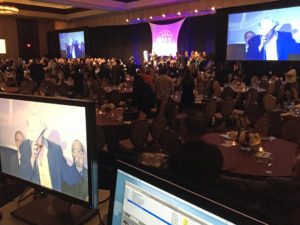
future. Nancy Lieberman Charities Dream Ball - April 2016
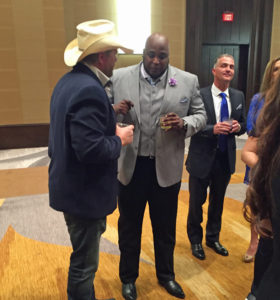
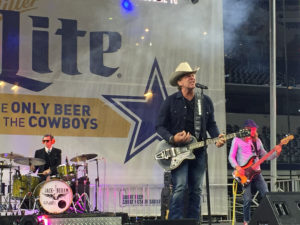
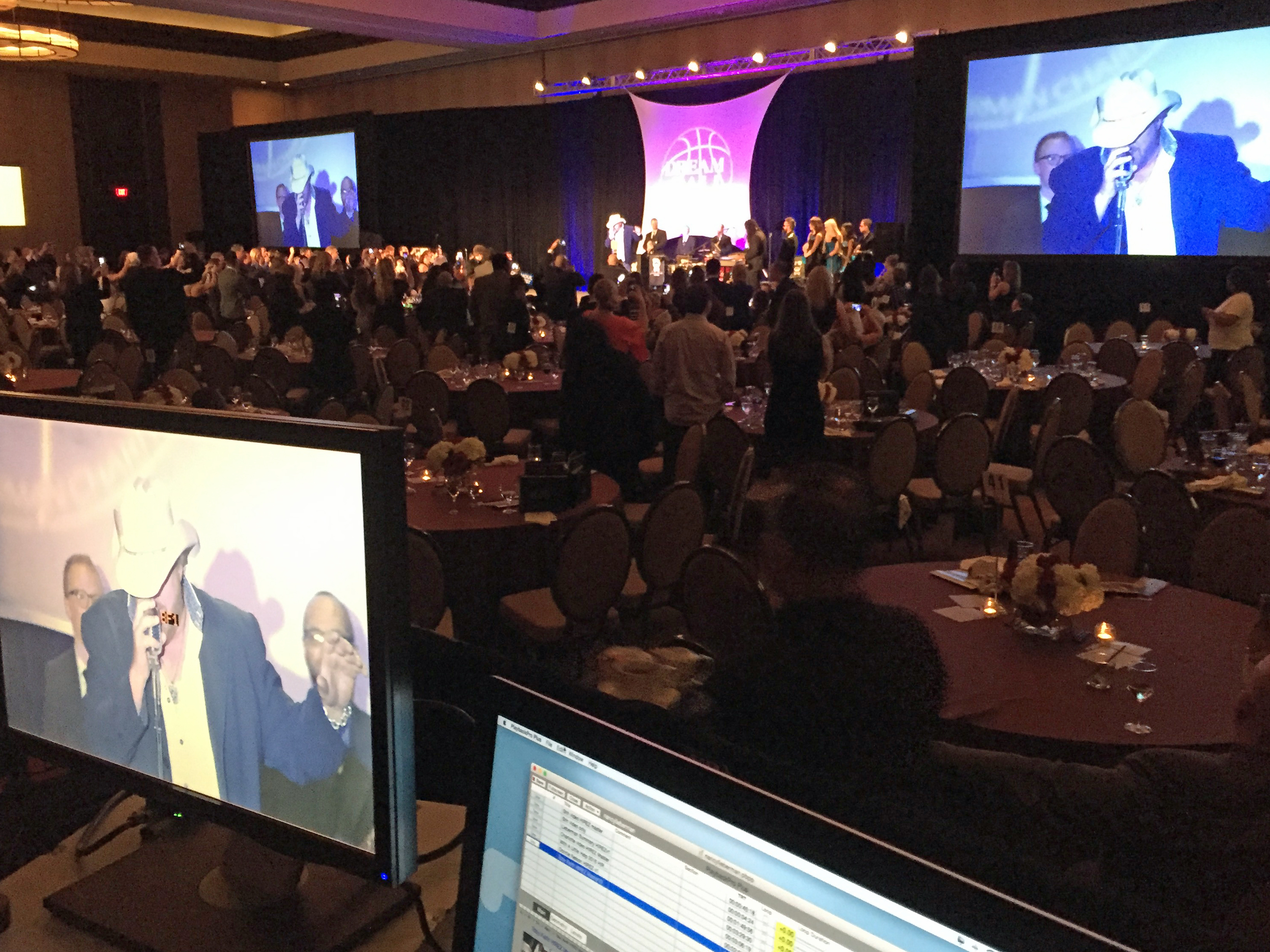
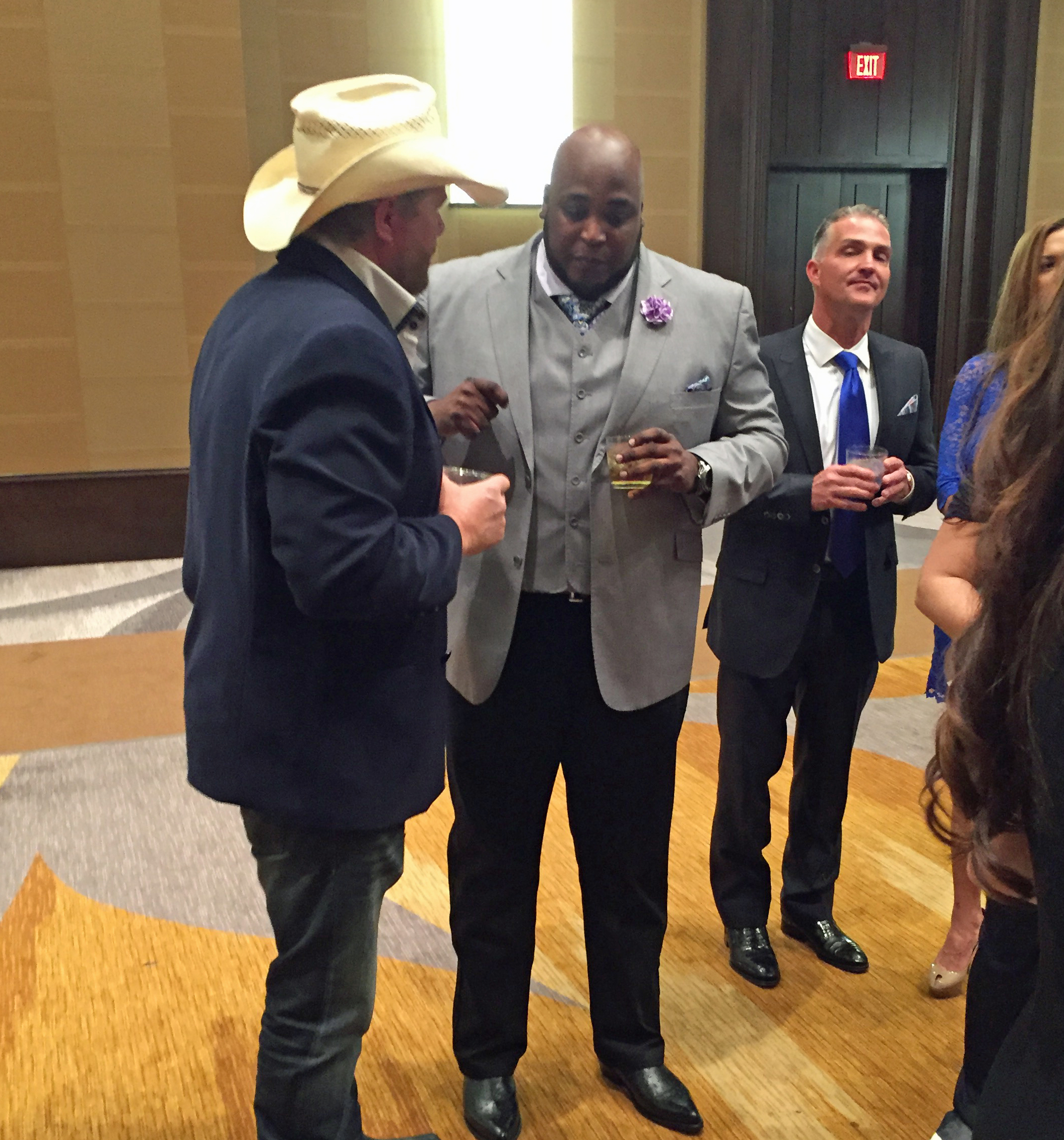
These photos feature Toby Keith, one of a number of celebrities who were honored or appeared at this annual gala.
One shows Keith conversing with Big Joe Walker, an on-the-rise Texas
country singer. The other shows what many no doubt consider the
highlight of the evening – the star jamming with the house band. His
impromptu performance featured a powerful rendition of the Bill Withers
classic “Ain’t No Sunshine” followed by Keith’s own “Should’ve Been a
Cowboy.” I will always remember how graciously he treated the local
musicians backing him, praising the Jordan Kahn Orchestra by name and
calling on the sax player to take a solo.
The fundraising event, by the way, has moved to February this year, with tickets available at nancyliebermancharities.org. Taste of the NFL – May 2016
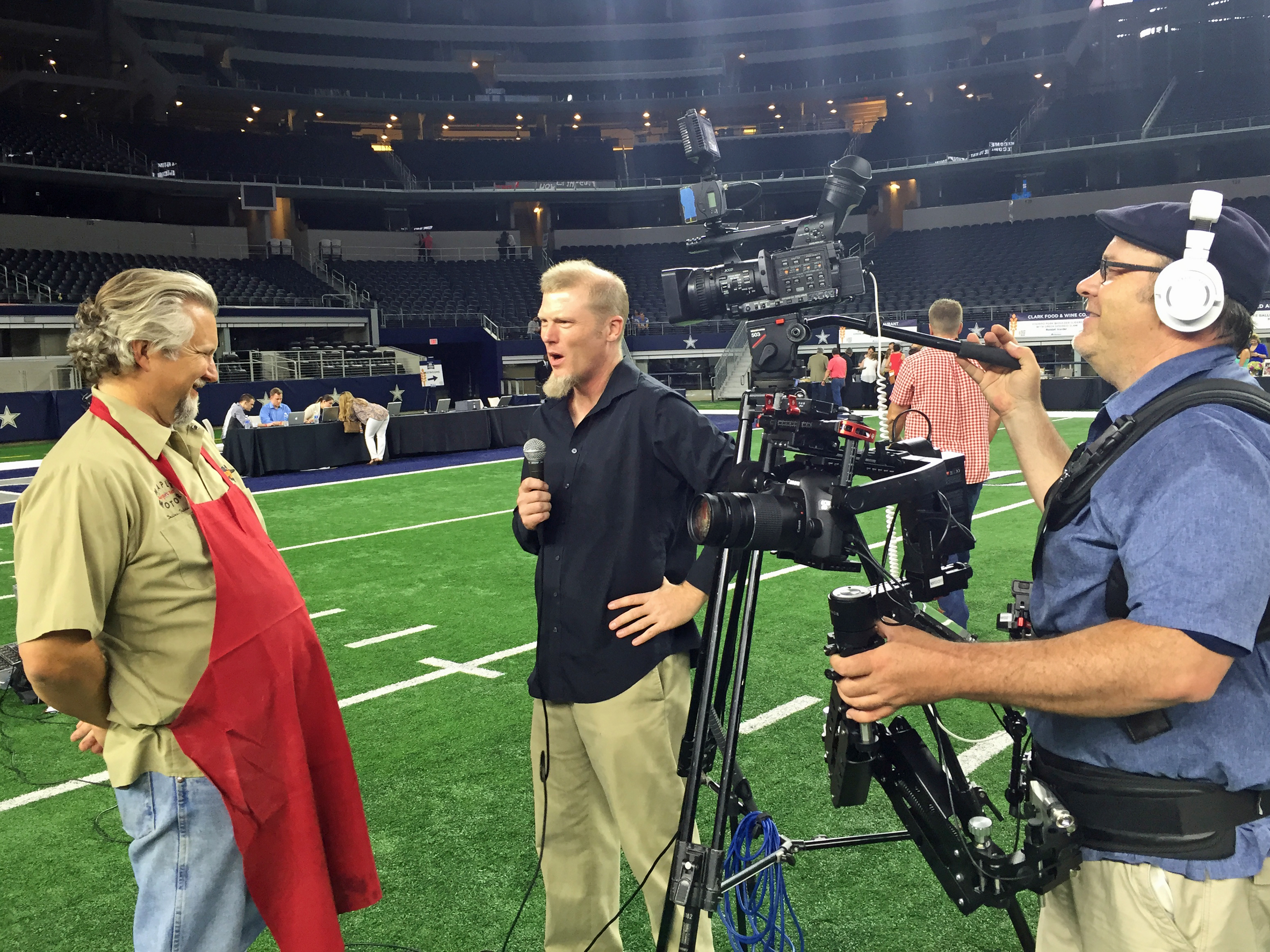
I
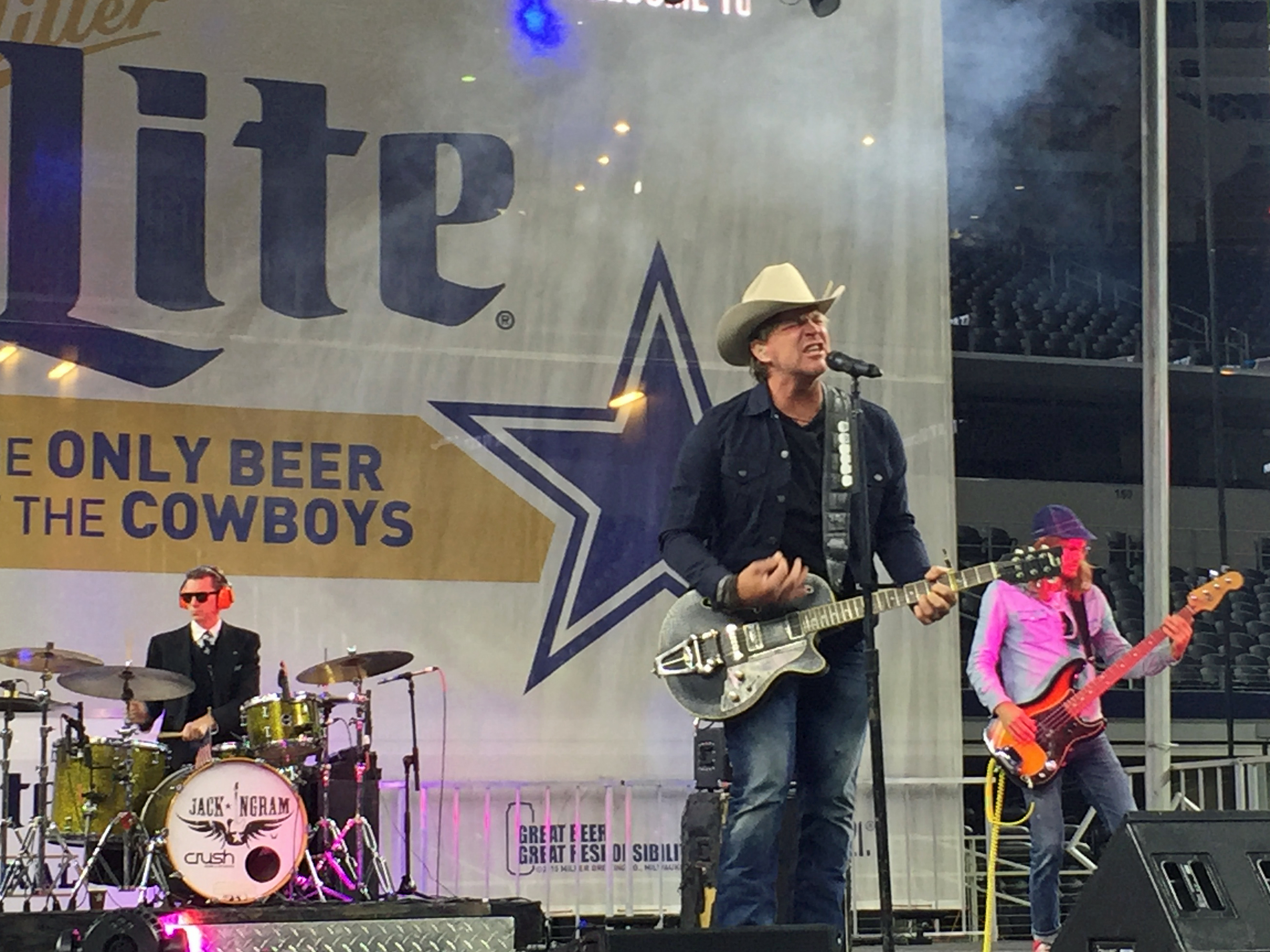
found a shot of another country musician at a charity event, this time
with a photo of Jack Ingram playing at the Taste of the NFL event
at the Cowboys’ AT&T Stadium. In addition to the musical
entertainment, the event offers attendees a chance to sample tasty
morsels from many of the area’s most prominent chefs. The other photo
shows me apparently amazed at something Jack Perkins (at the time the
owner of The Slow Bone barbecue restaurant in Dallas) said. The other
guy in the photo is my frequent collaborator Dave French. Despite the
plethora of tech gear that seems to be protruding from his body, French
is, in fact, a human and not a video production cyborg.
photo by Lori Gunter French
Dallas Wings – Summer 2016
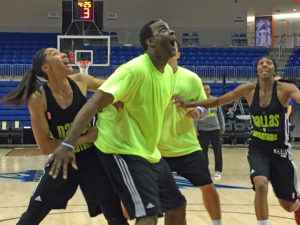
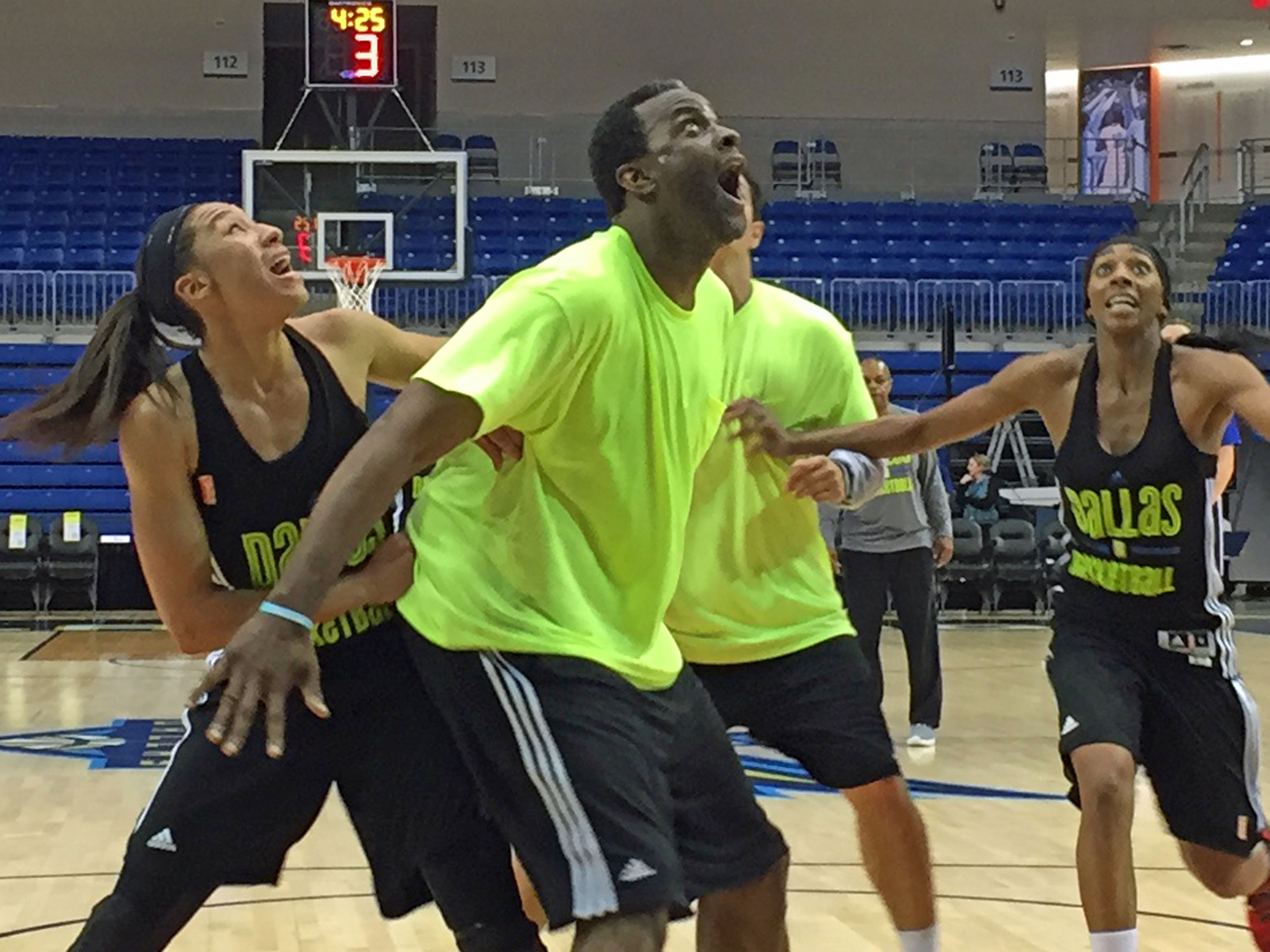
I really enjoyed covering
the WNBA’s Dallas Wings during their first season in Arlington. Here’s a
photo from practice that shows members of the Wings and their male
practice partners desperate to grab a rebound. I liked the intensity
evident in this image. C3 Cryo Club – May 2016
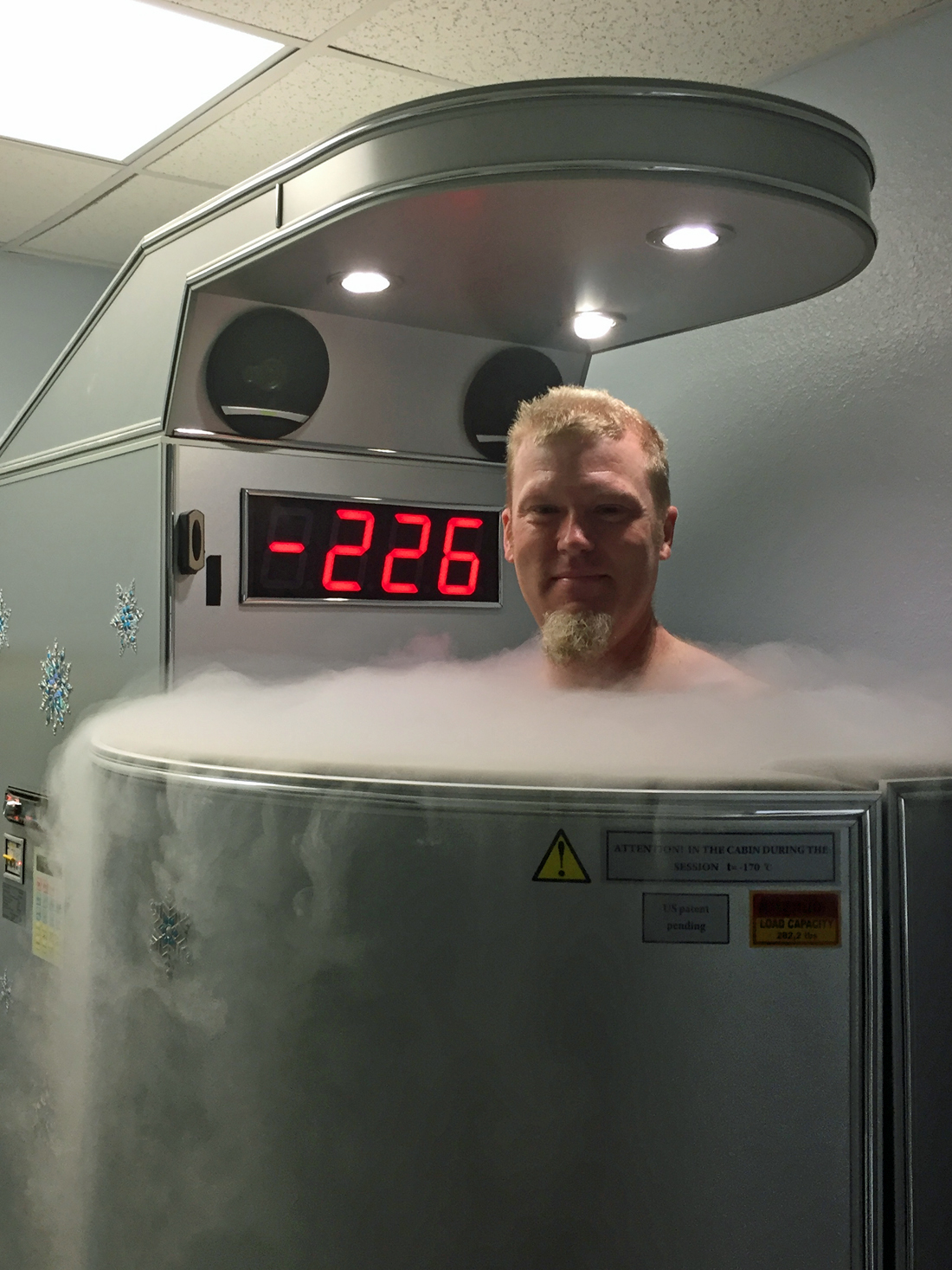
Yep,
that’s me shirtless. I’ll do a lot for the Weekly, apparently. Back in
May, I tried cryotherapy after an especially vigorous evening of
softball and blogged about it.
photo by William Pruett
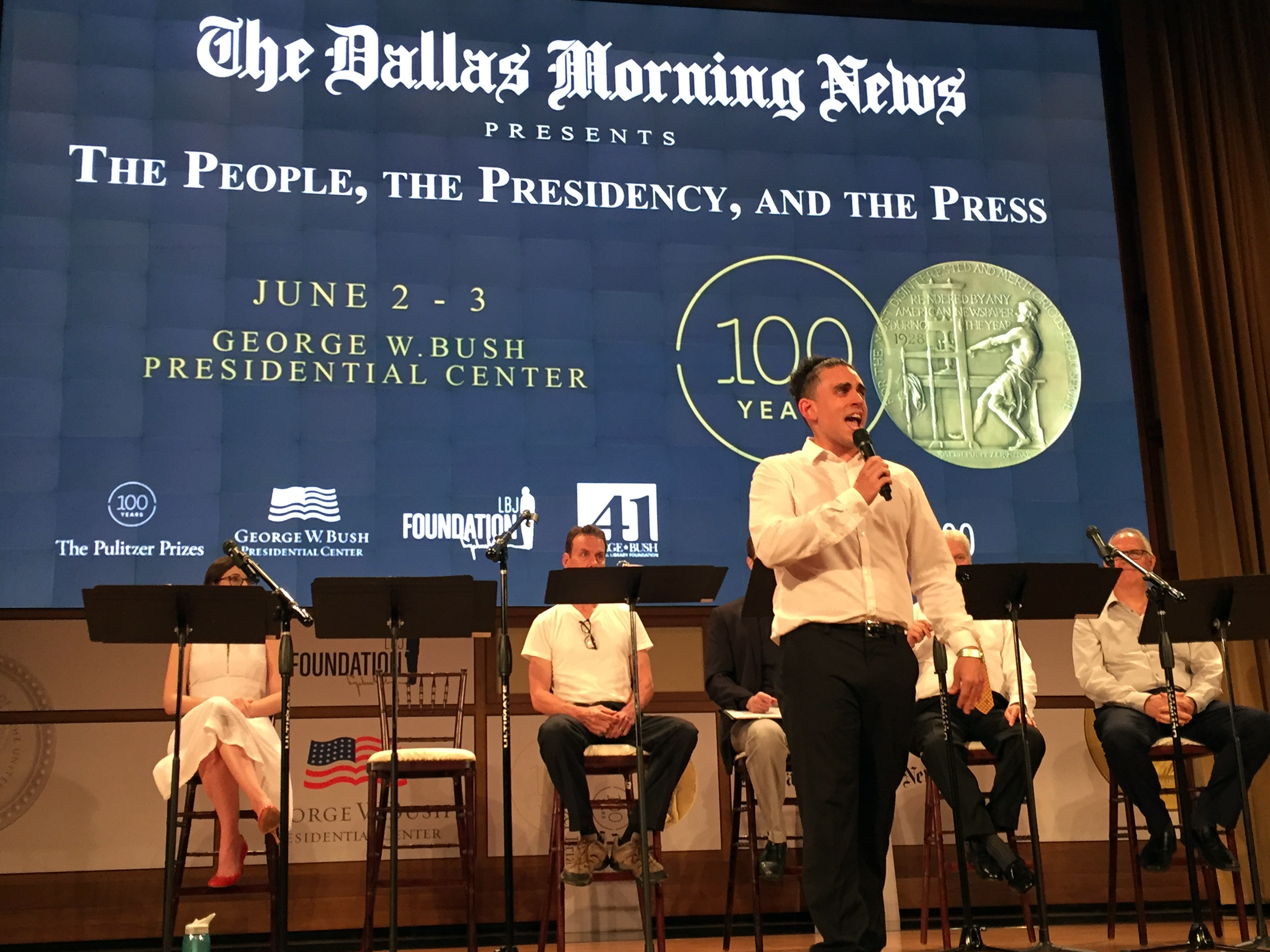
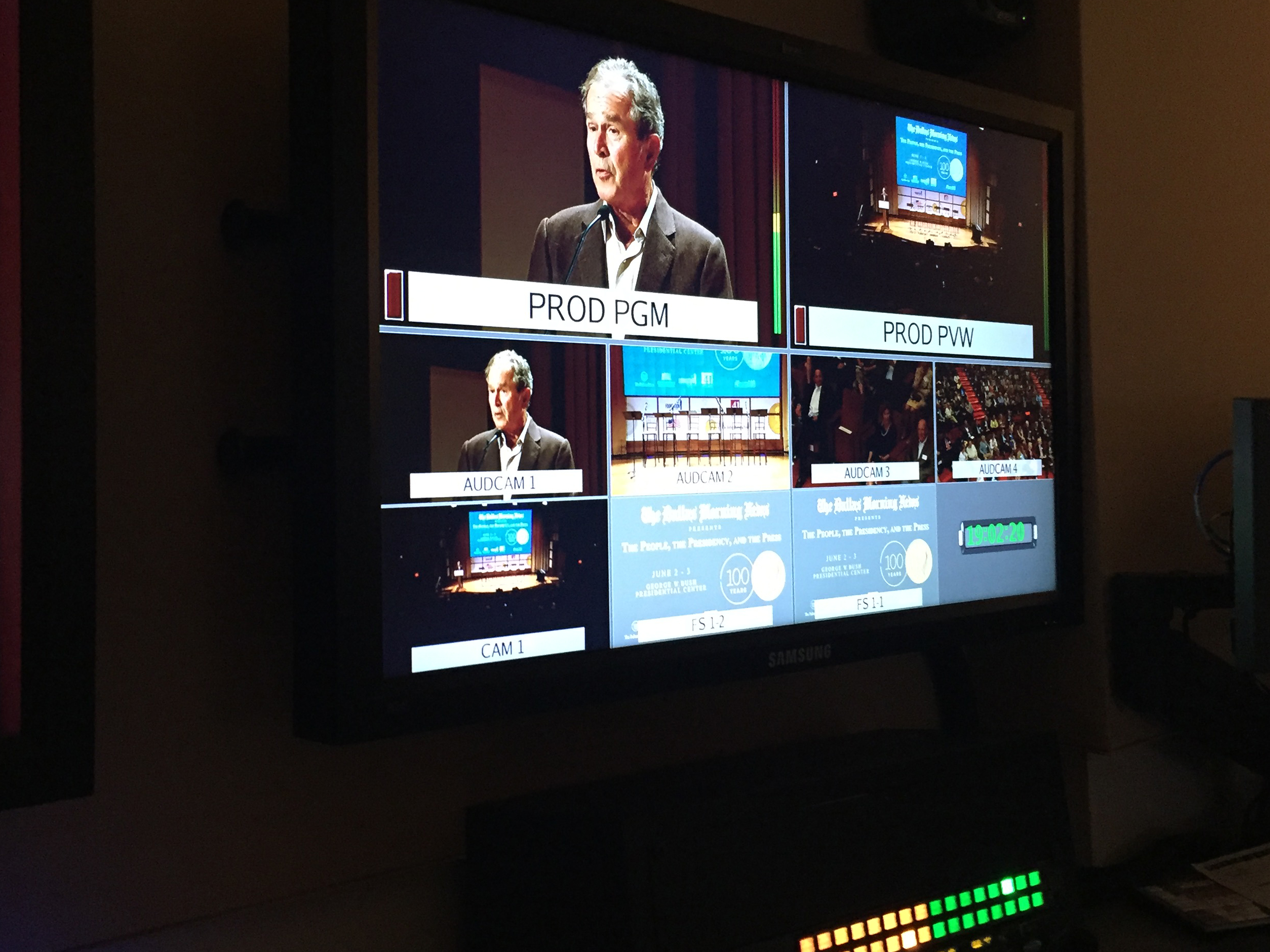
Presidential Press – June 2016
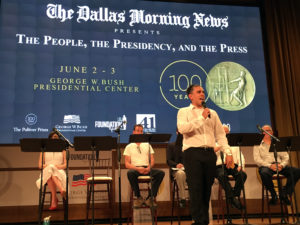
I
do some work for the George W. Bush Presidential Center on some of the
webcasts of their public programs. One that hit especially close to home
this year involved an examination of how the presidency interacts with
the media and popular culture. The Bush Center worked with the Pulitzer
Prize Board and three other nearby presidential libraries to put it on. A
highlight included actors from the Dallas Theater Center presenting
excerpts from Pulitzer-winning plays, including the number from Hamilton
seen in this photo.
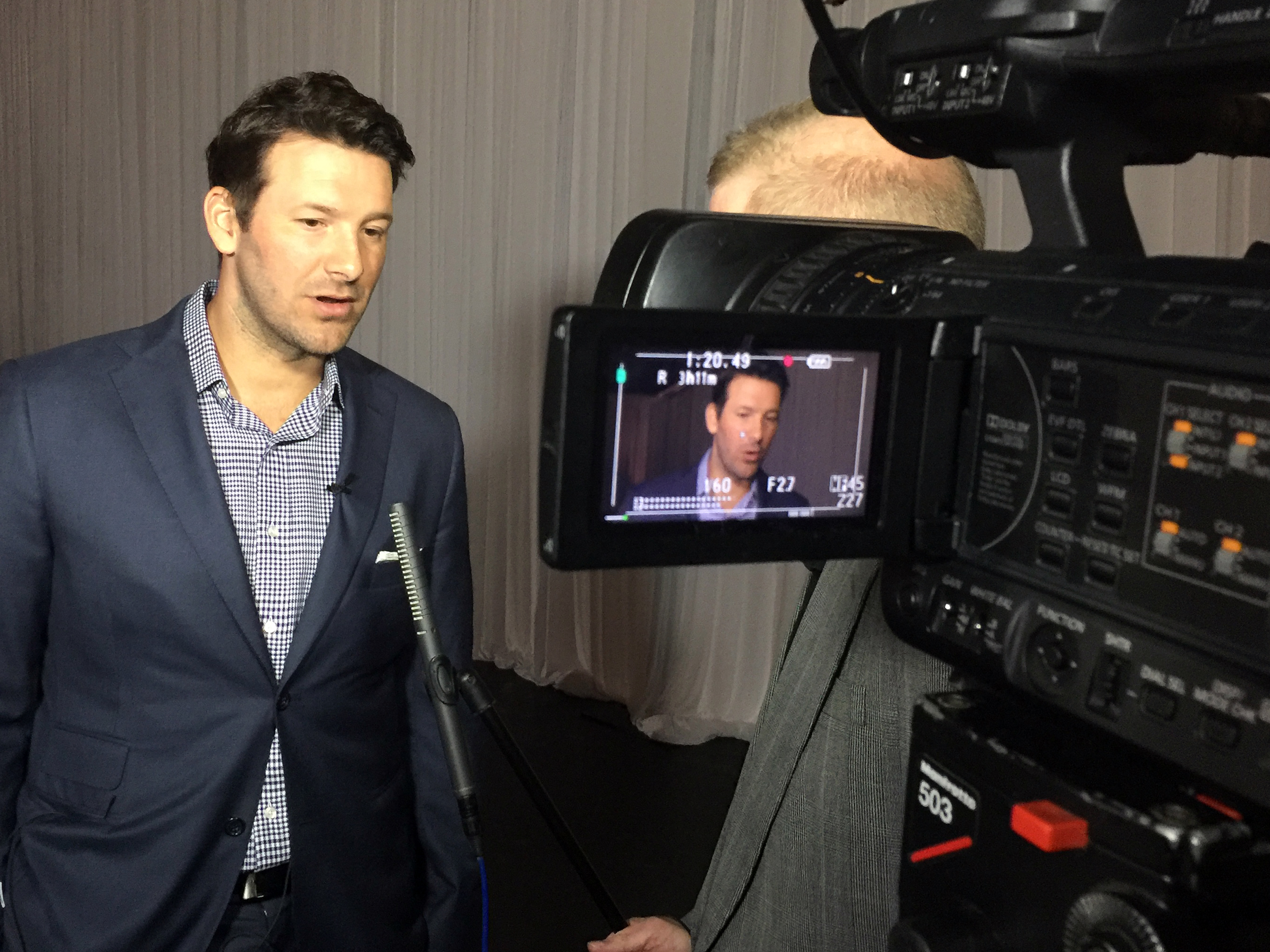
Fashion’s First Down – June 2016
The Cowboys’ wives annual fashion show
raises money for female-centric charities. Tony Romo’s wife, Candice,
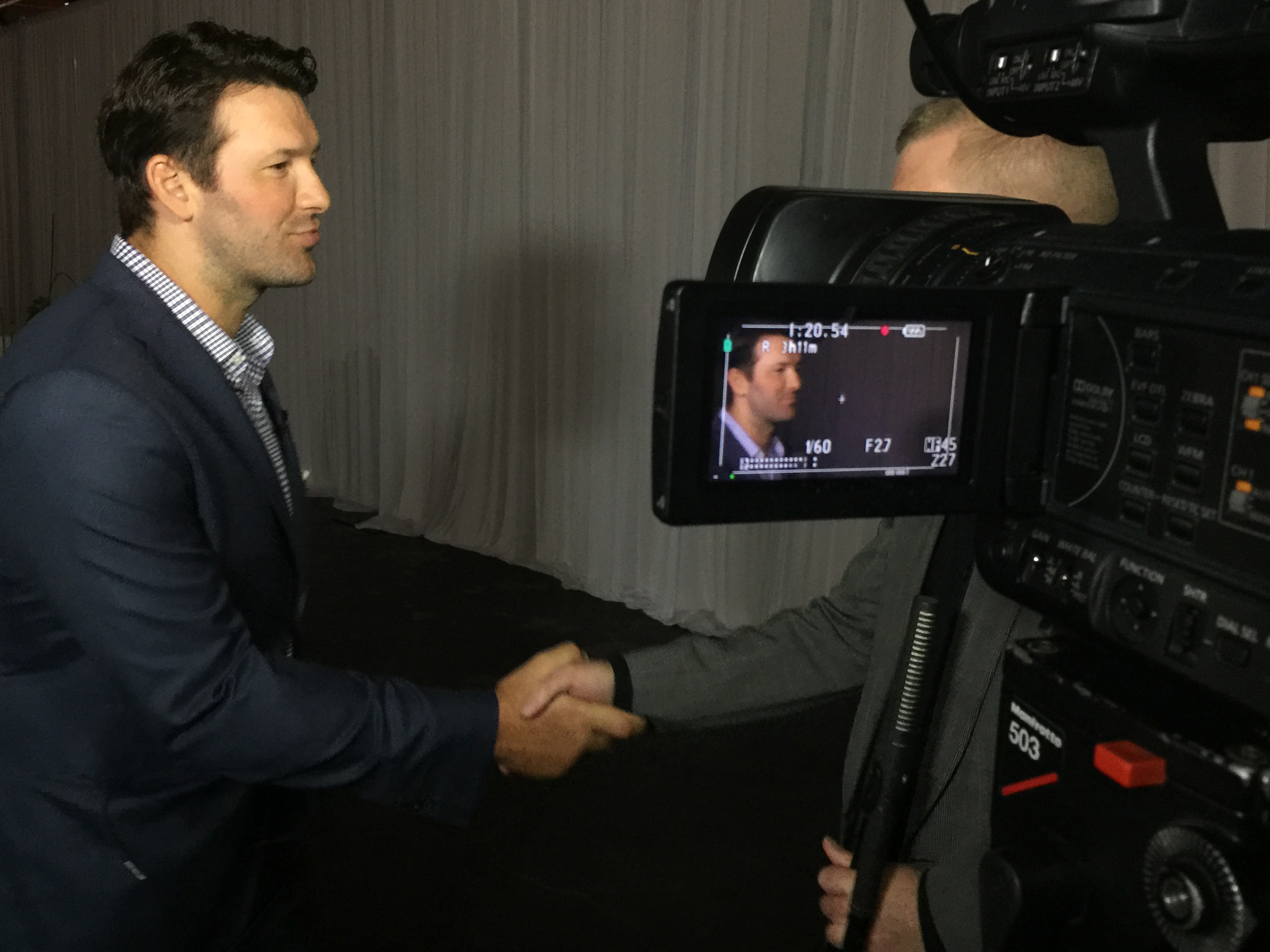
chairs the event, so we interviewed him about it. Afterward, he
apparently shook my hand. You can’t see me in the photo, but, you know,
who cares? That wasn’t who anybody but my mom wanted to see anyway.
photo by Dave French
photo by Dave French
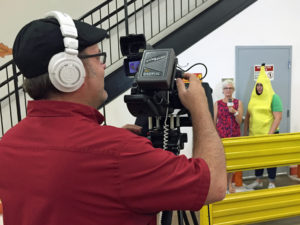
North Texas Food Bank shoot – June 2016
We
did a video this year for the North Texas Food Bank to help volunteers
learn what to do and not do while at the facility. The video parodied a
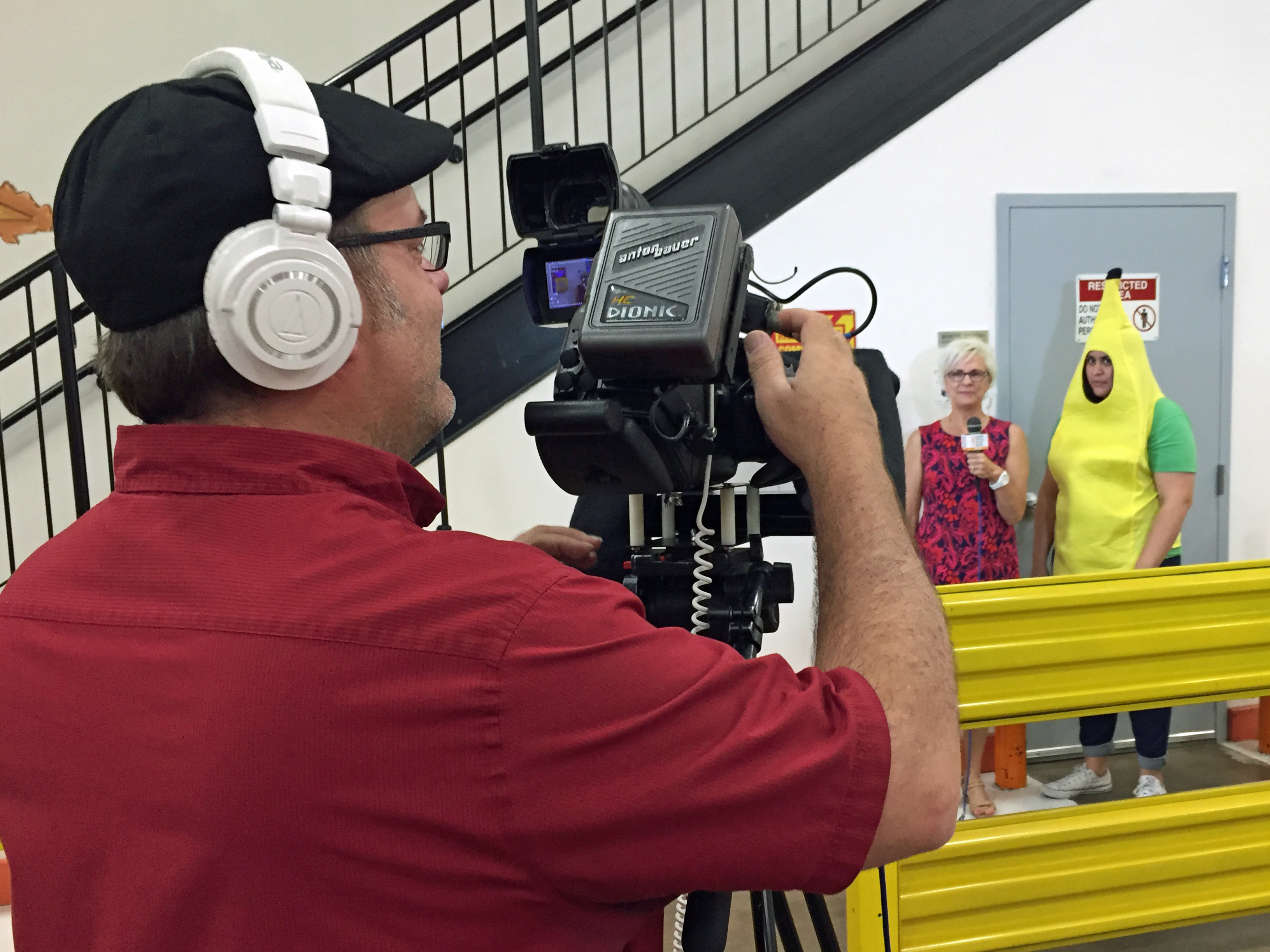
newscast and we’d like to think it was funny. This photo made the cut
for this post because it features our good friend Anna Kurian in a
banana suit. She was actually the understudy for the part, but gave a
stunning performance when pressed into service. You’ll have to watch the video to see it of course (and go ahead and volunteer at the North Texas Food Bank or its counterpart in Tarrant County, too).
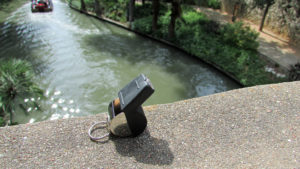
OfficiateTexas – July 2016
We worked with the Texas Association of Sports Officials and the University Interscholastic League on an event
designed to let game officials from around the state learn from
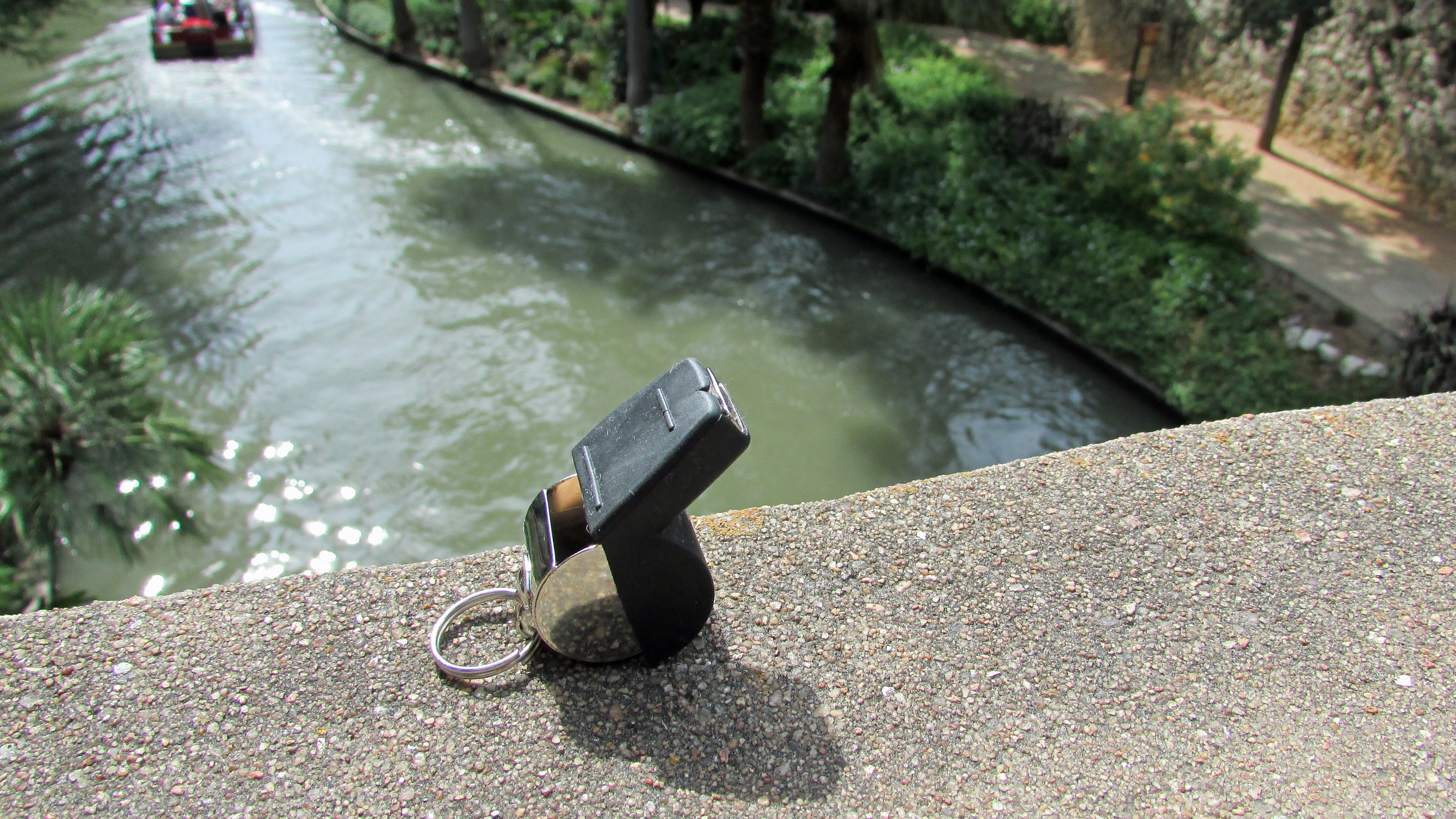
prominent figures in their profession. I liked this promo photo we shot
from the Riverwalk in San Antonio.
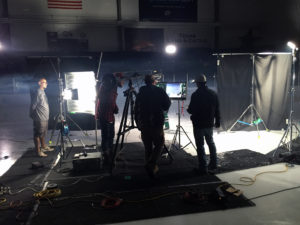
Dallas Stars Media Day – September, 2016
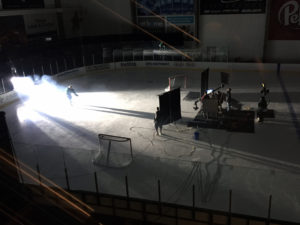
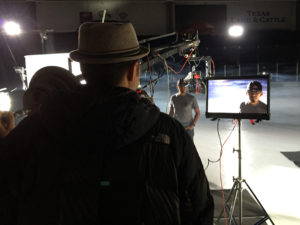
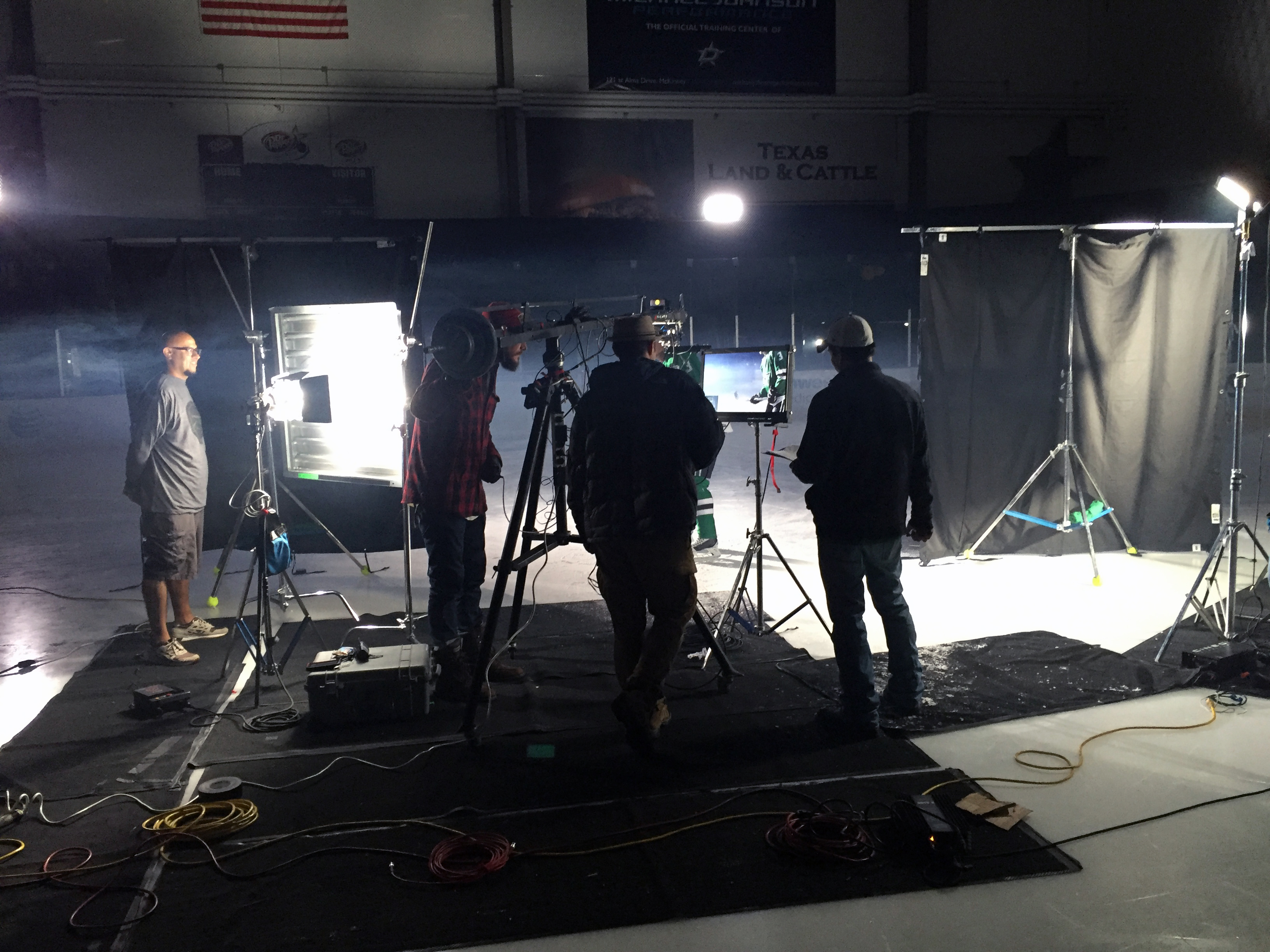
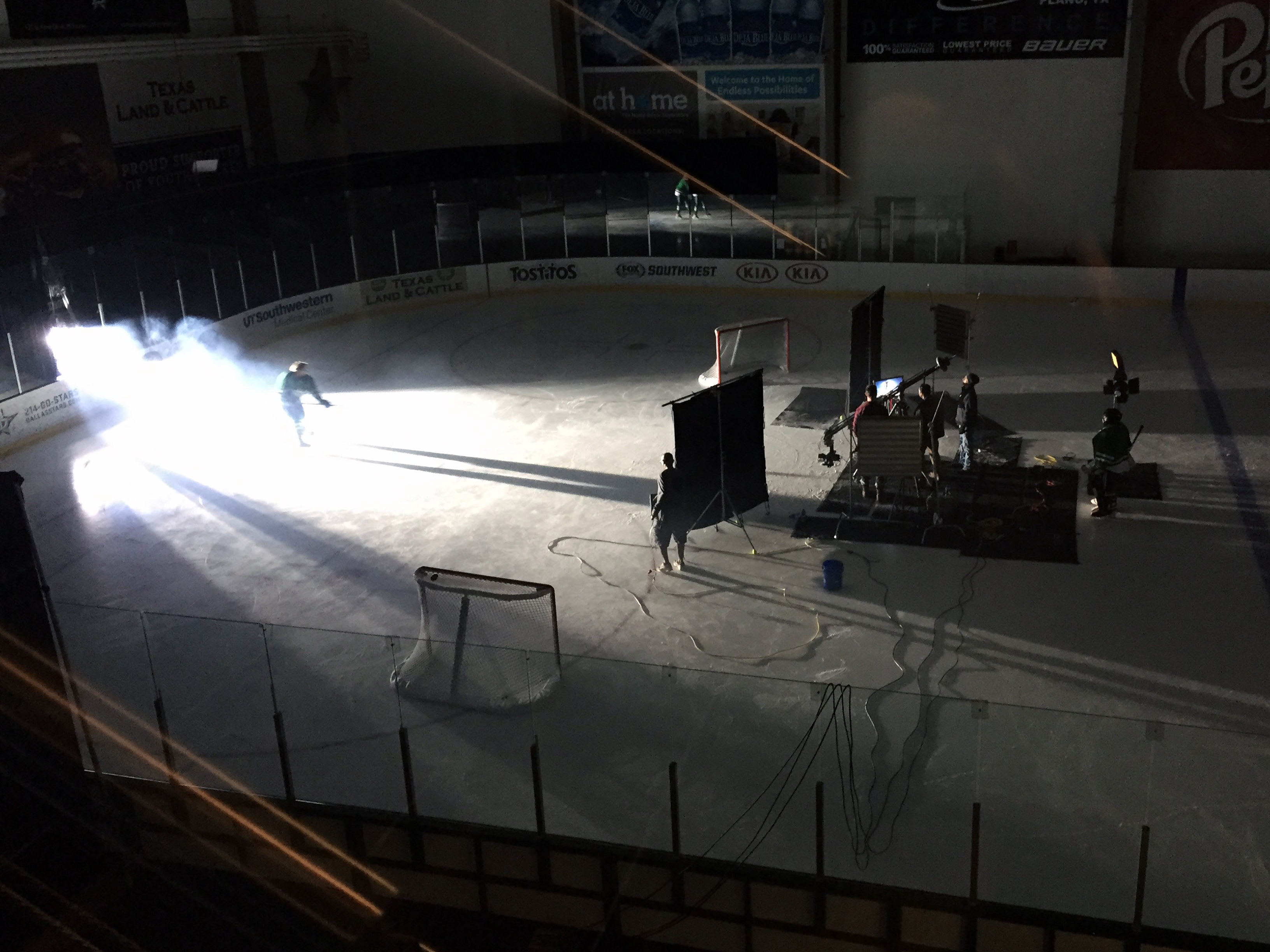
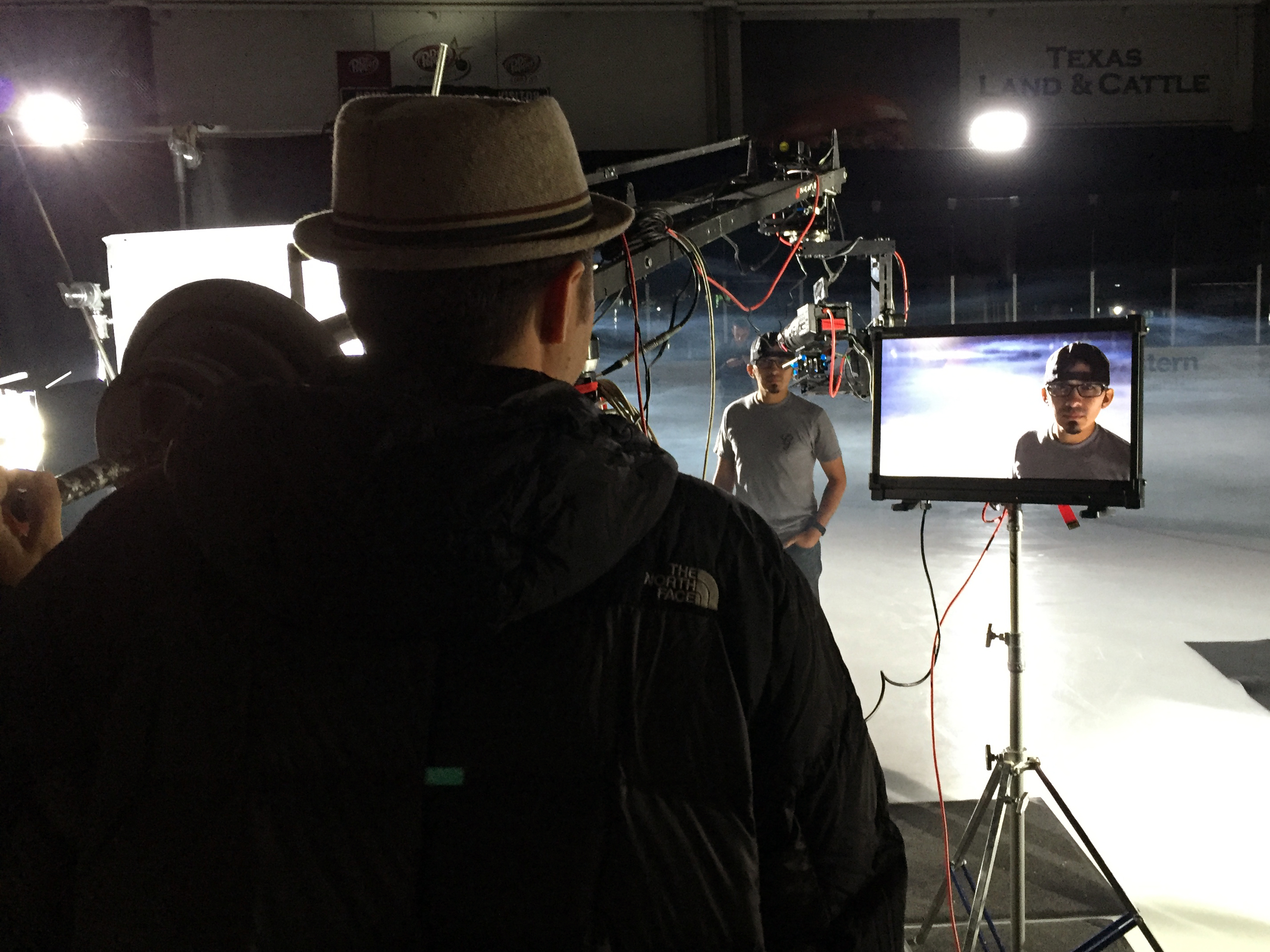
We
worked with the Dallas Stars to shoot elements they use on their AAC
video boards and TV broadcasts throughout the season. Some of the
coolest stuff happened on the ice with a high-speed camera capturing
epic slow-motion images. My buddies Mike Traverzo and Renzo Torres
tested the shots before the players came out (Traverzo is the artist
behind the beautiful video you see on your TV screens).
Dallas Mavericks Media Day – September, 2016
We
worked with Fox Sports Southwest on their promos for the season’s Mavs
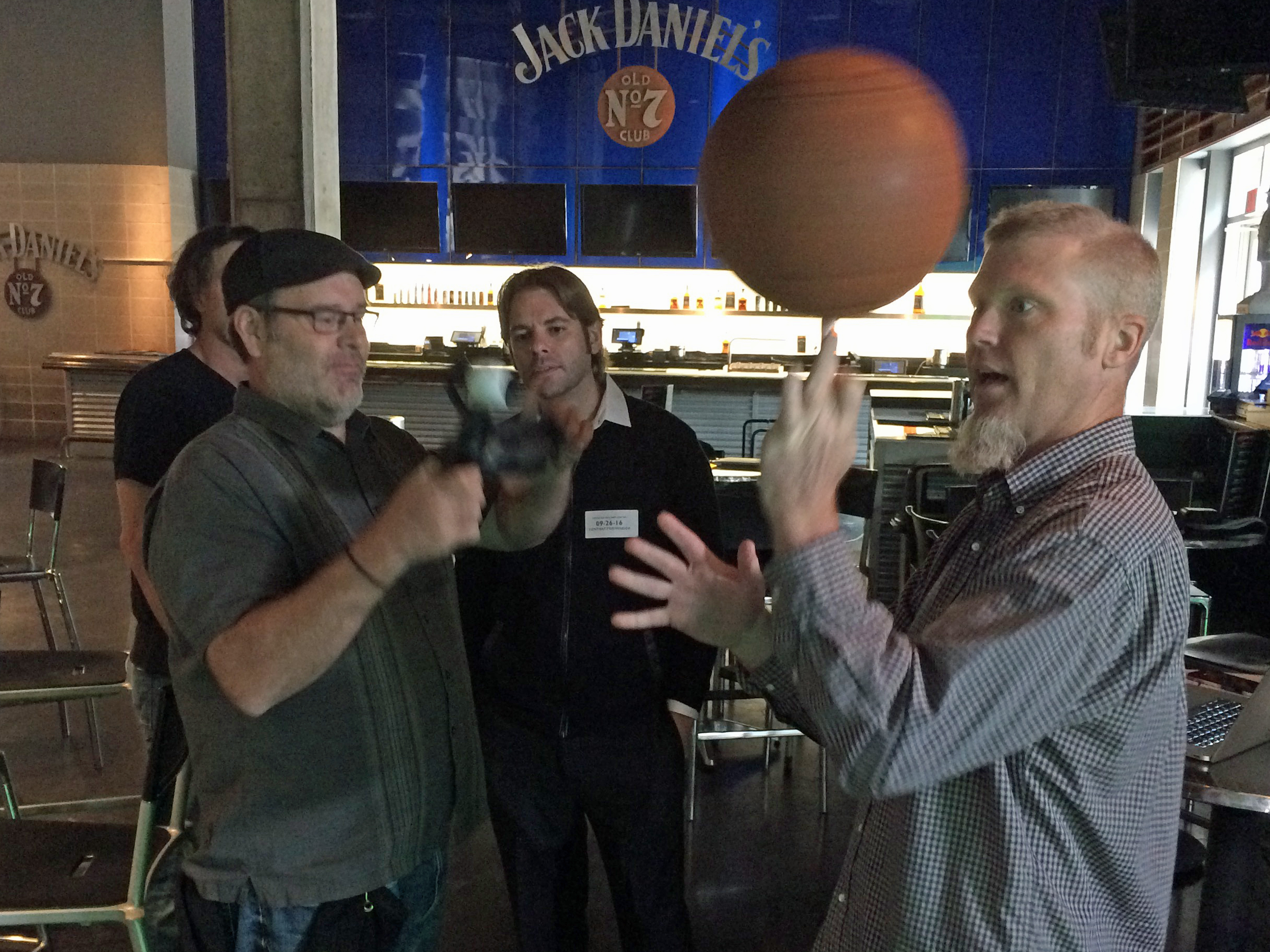
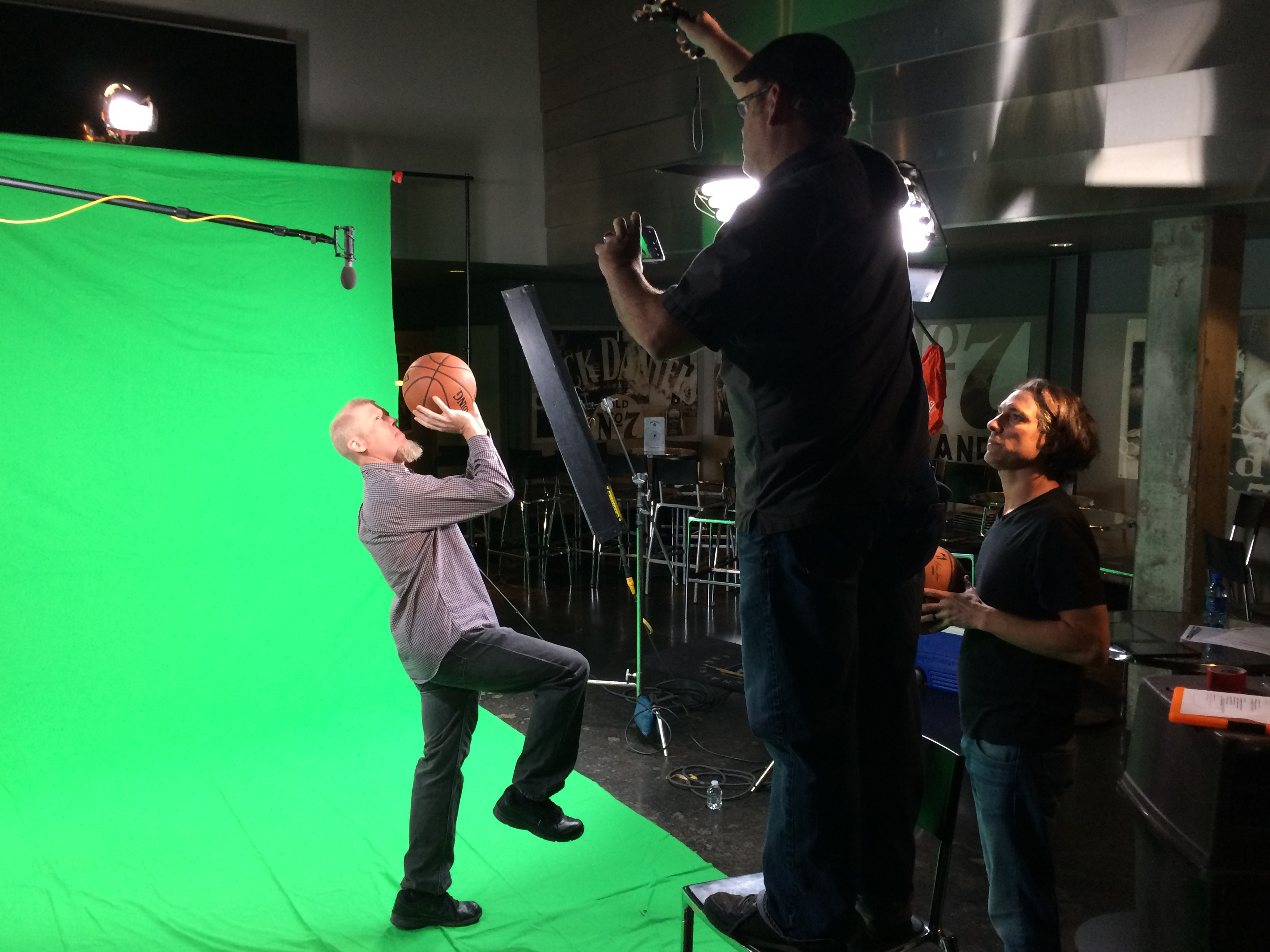
games. We were going to need a shot of Dirk Nowitzki pantomiming his
famed fall-away jump shot. We got a short unathletic failed point guard
to mimic it so we could set the shot.
photo by Hutton Harris
photo by Hutton Harris
ACEP16 – October, 2016
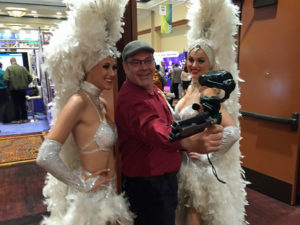
As
you might have guessed, not everything I do is sports. We worked with
the American College of Emergency Physicians creating videos at their
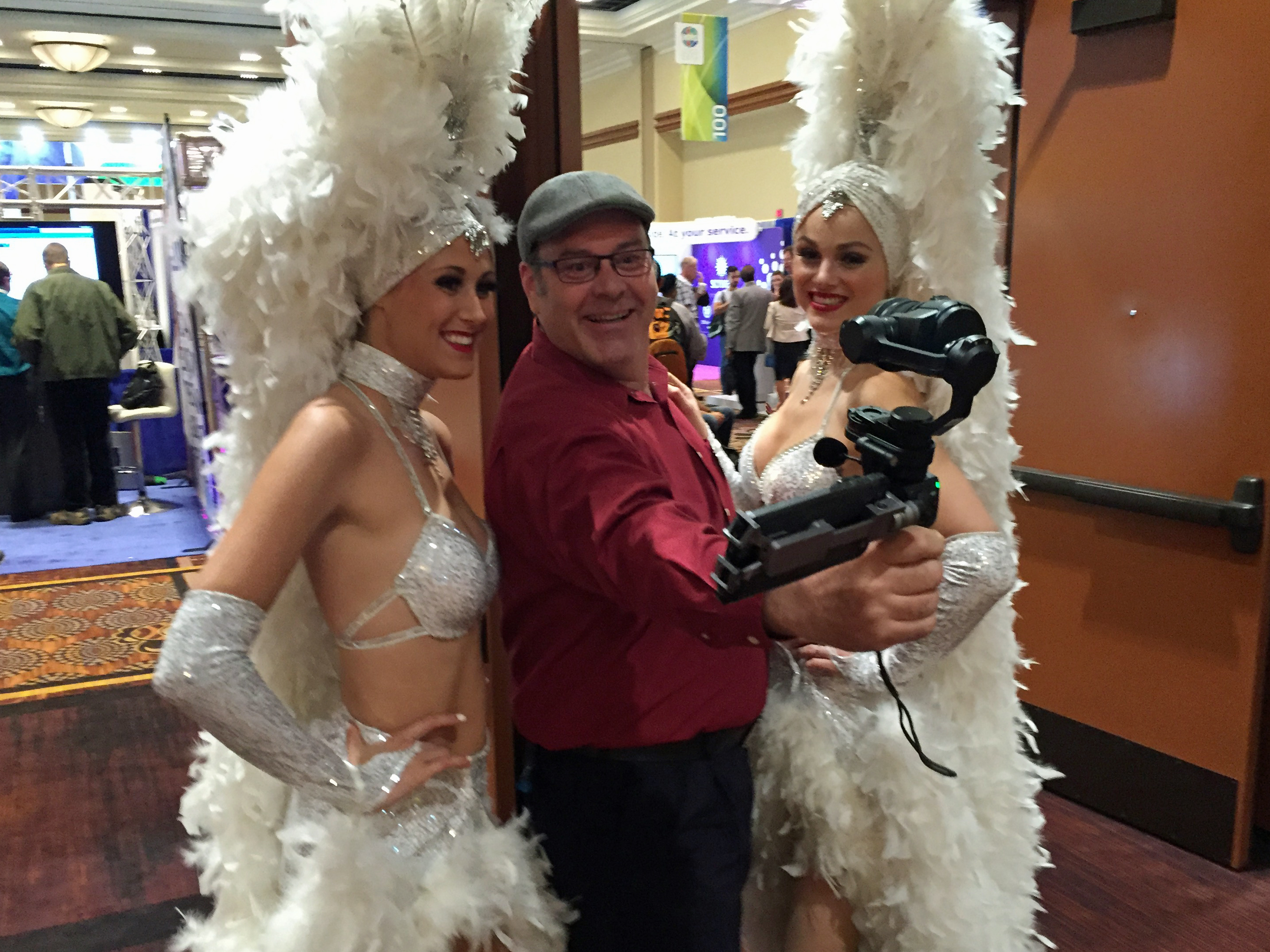
annual conference. They held it in Las Vegas, Nevada. I include this
picture of my buddy Dave with showgirls just in case he “forgot” to tell
his wife, Lori, about it. Lori’s a friend of mine.
Miami Trip – October, 2016
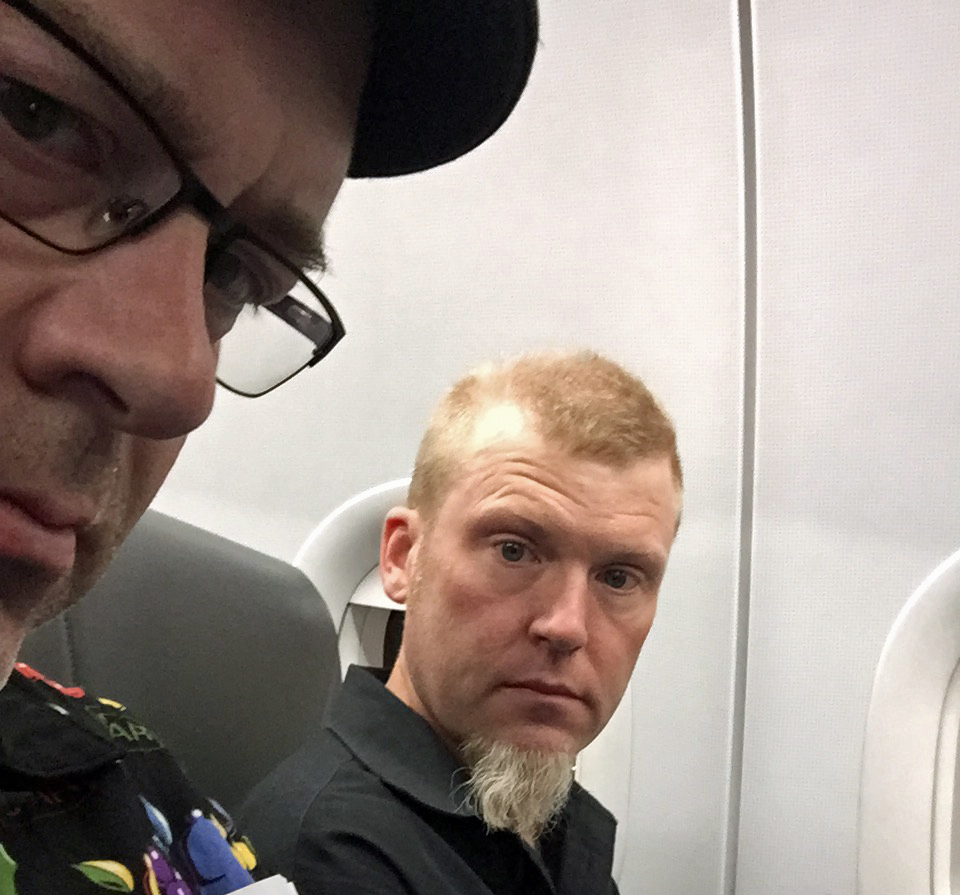
We
had to take Frontier’s all-night flight from Vegas to Miami to shoot
interviews for another project. We looked very sexy riding in coach.
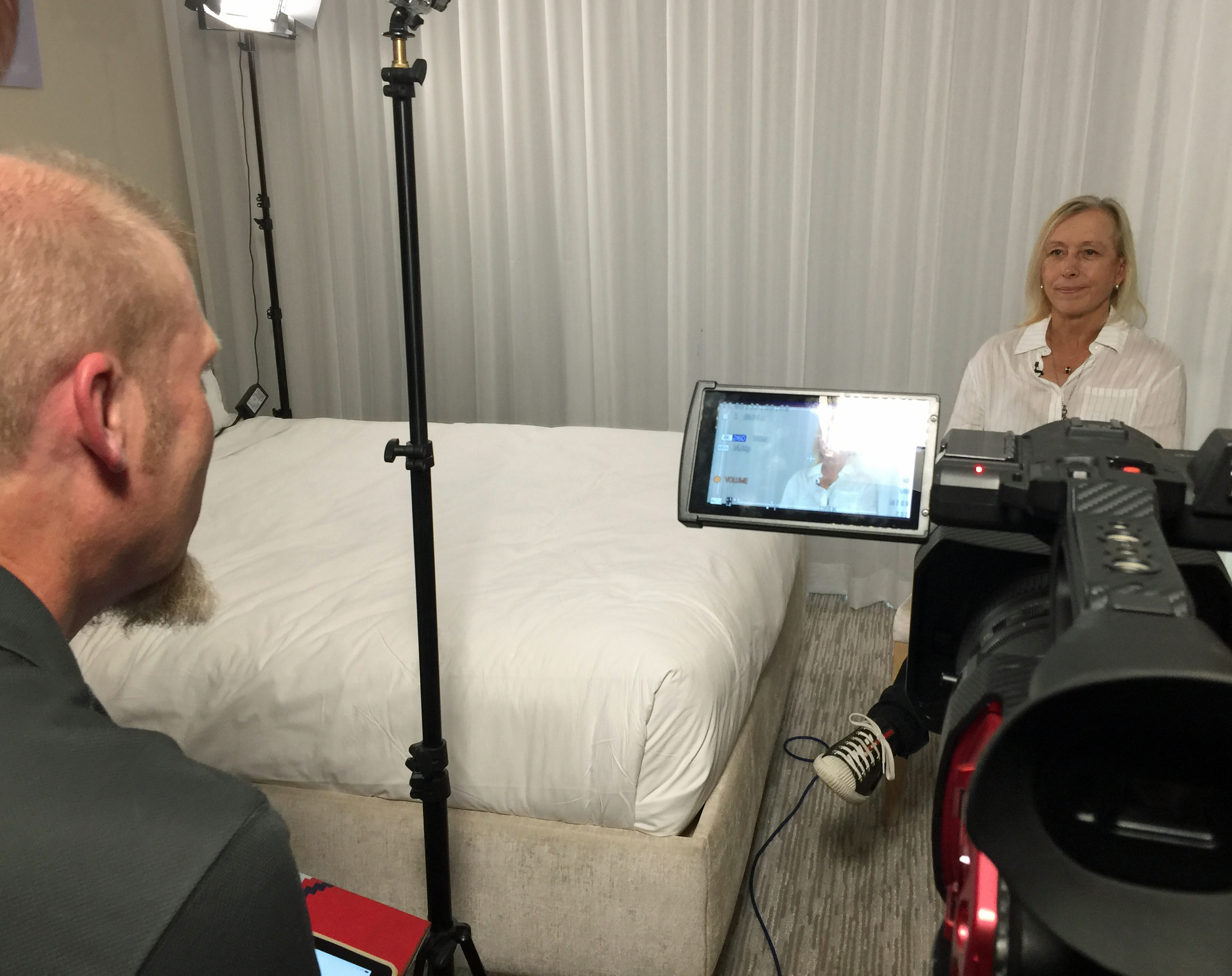
When Martina Navratilova (a former Fort Worth resident) walked in and
saw we were shooting in a hotel room next to the bed, she said she
hadn’t realized it was “that kind” of video. Um, it wasn’t. I swear.
photo by Dave French
photo by Dave French
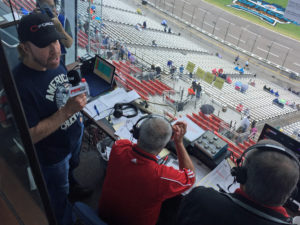
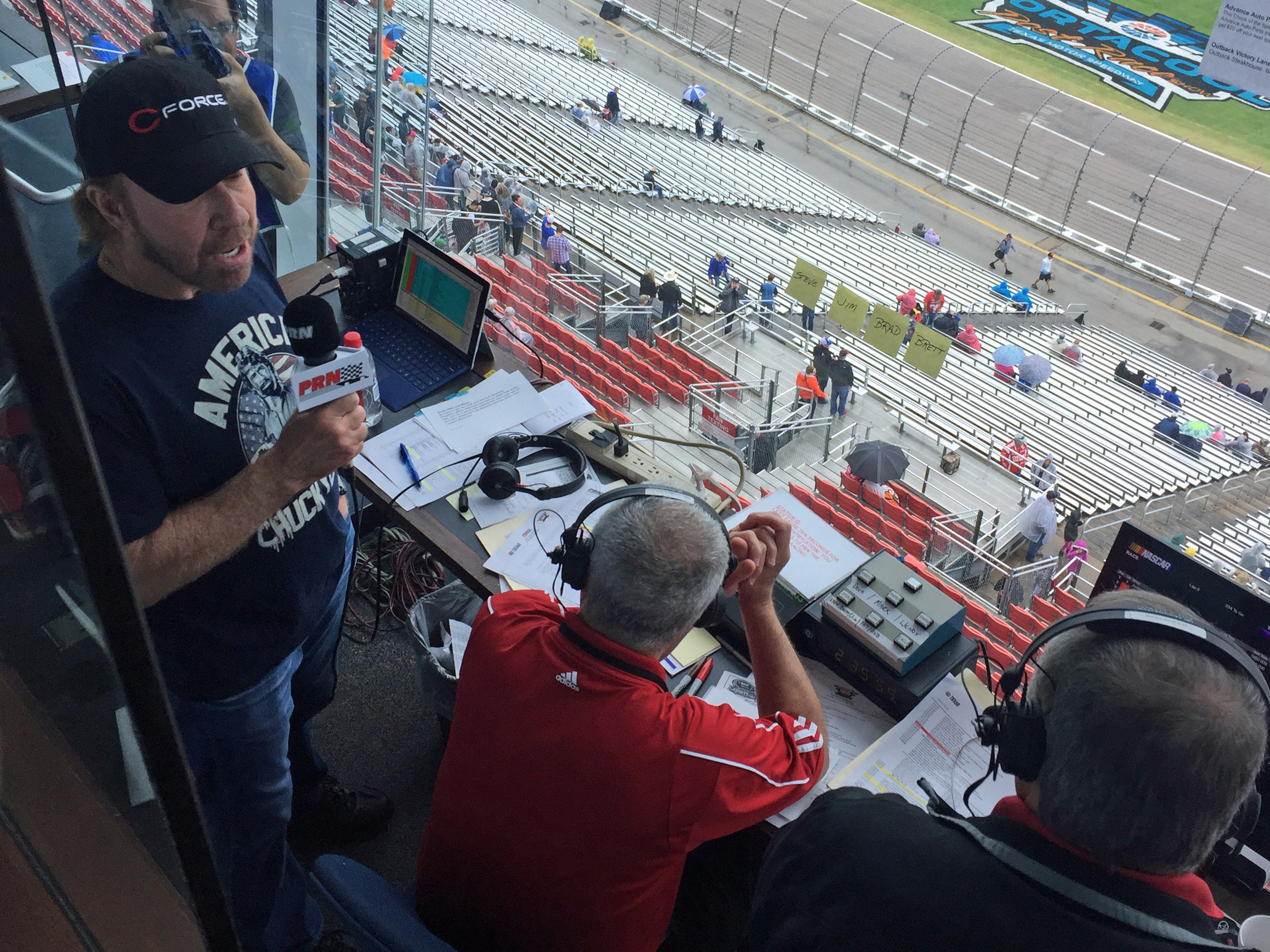
Texas Motor Speedway – November, 2016
My lone Weekly cover story
of the year involved the folks who do the radio broadcasts at the local
racetrack. Radio waves move at the speed of light – nearly the velocity
of their booth guest’s roundhouse kicks.
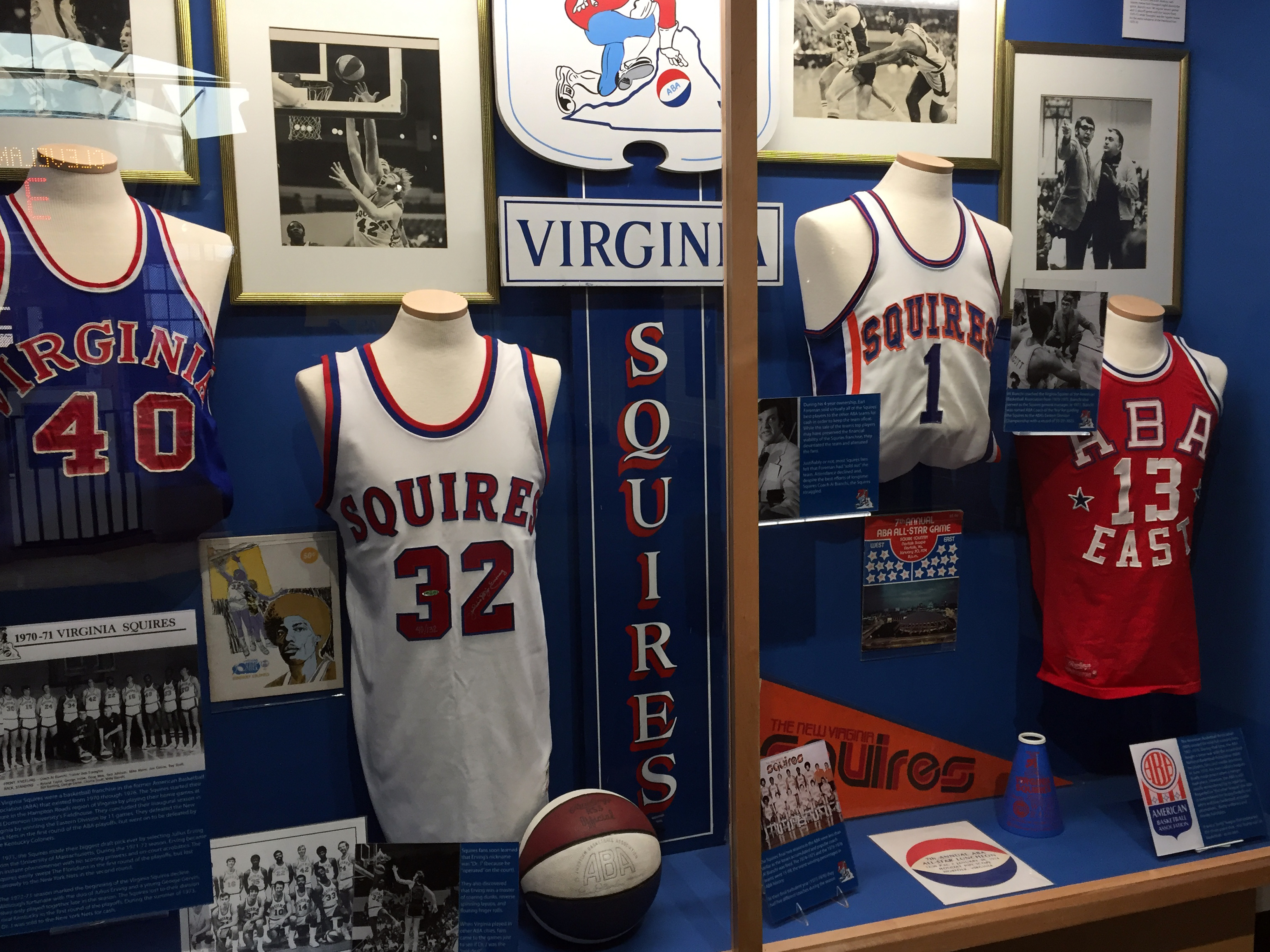
Virginia Trip - November, 2016
We
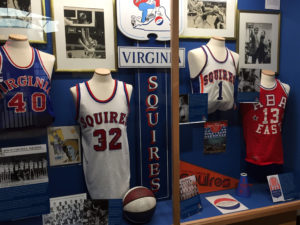
covered basketball in Virginia. The Virginia Sports Hall of Fame has an
exhibit about the ABA’s Virginia Squires. Do you realize that at one
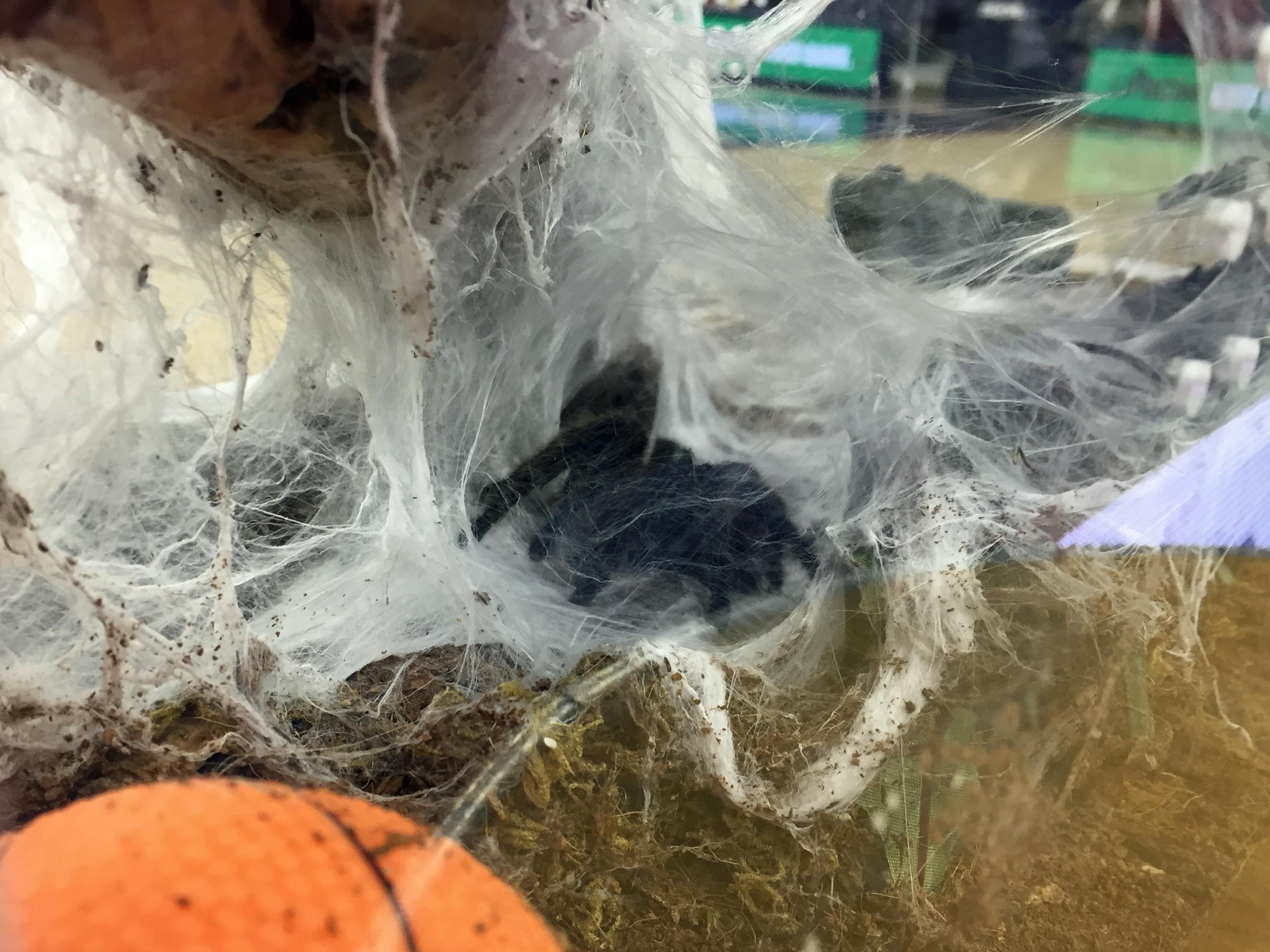
time their roster featured both Julius Erving and George Gervin? Also,
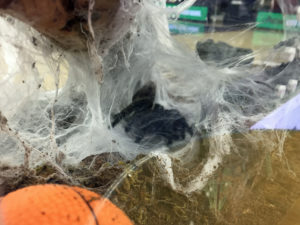
the Richmond Spiders’ mascot is a real tarantula named Tarrant. They
introduce him before every game.
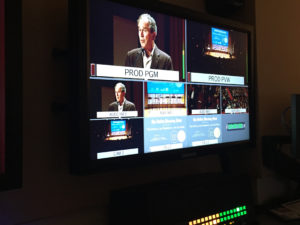
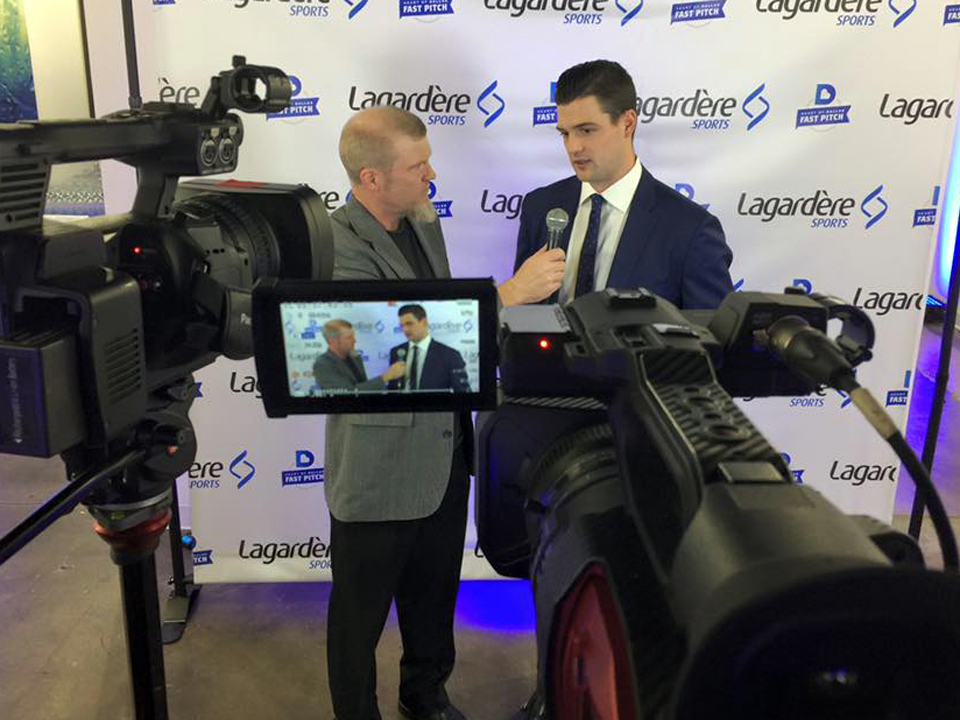
Lagardère Sports presents the Heart of Dallas Fast Pitch Event – November 2016
This is a cool charity event
in which non-profits compete to win funds to further their missions.
Jamie Benn took part and we interviewed him. I include this photo
because I like camera shots of other camera shots and because I think a
lot of the female readers may find Benn hunky.
photo by Dave French
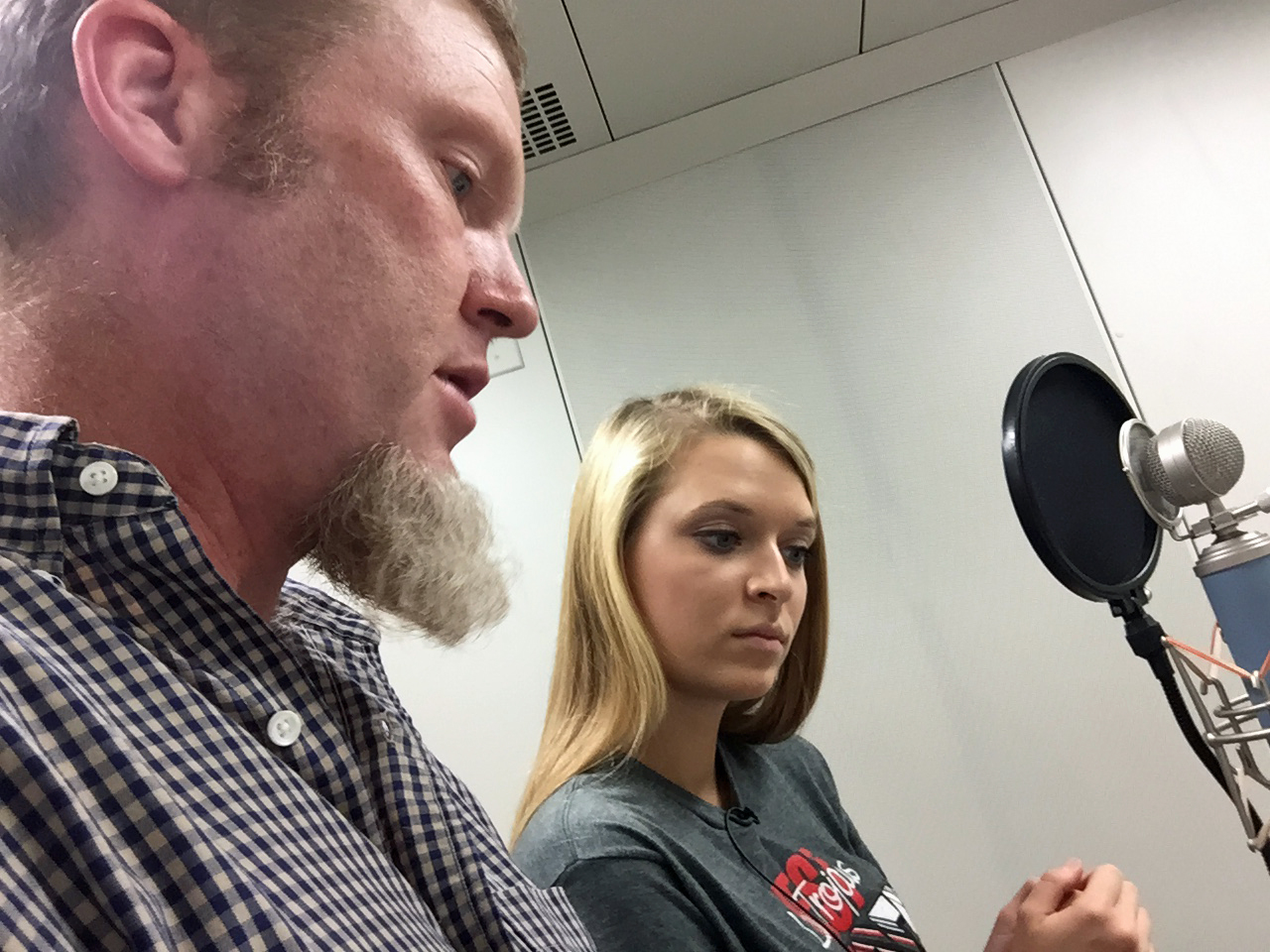
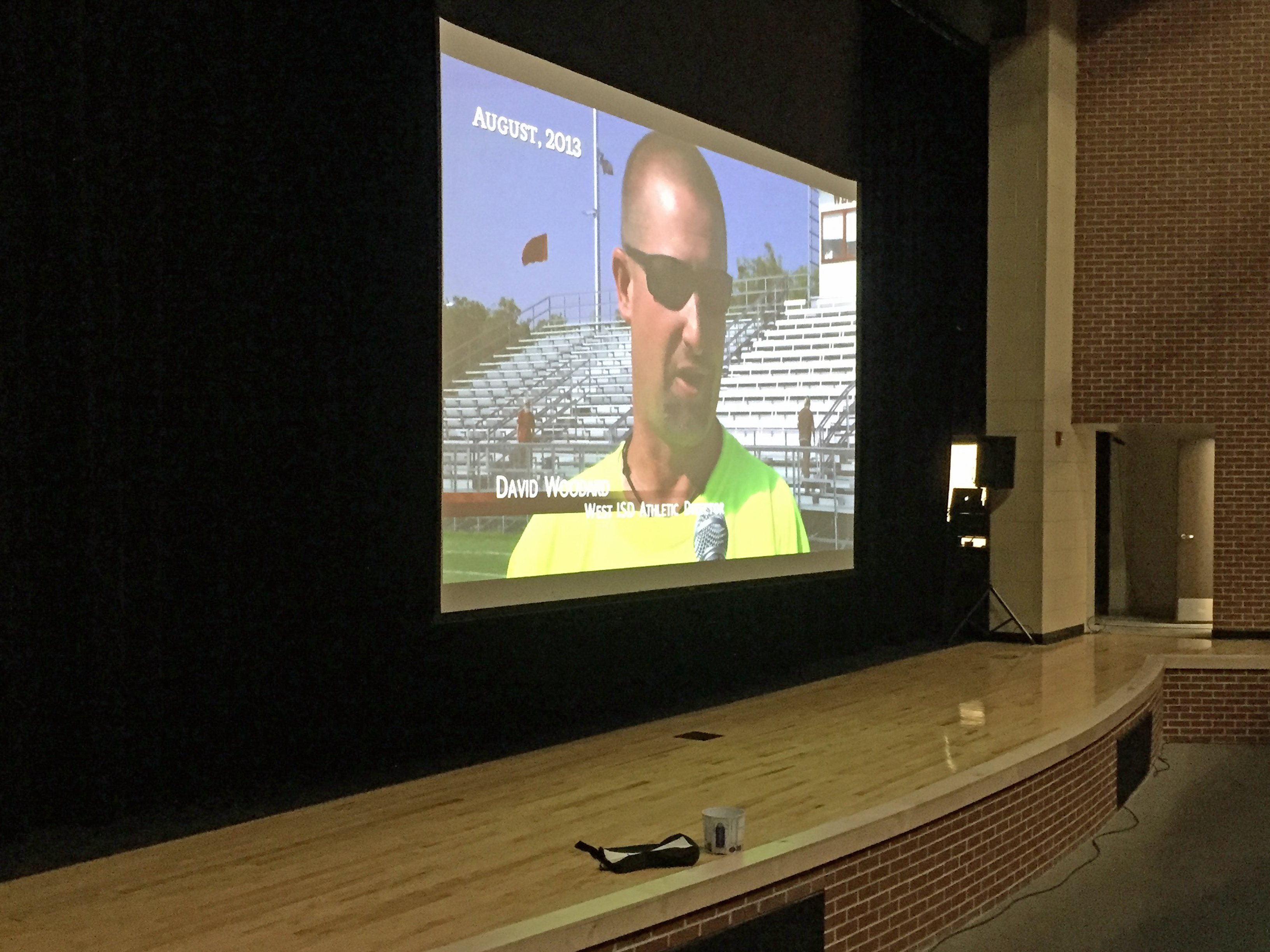
A Bright Future : West ISD Rises Up – Fall, 2016
Perhaps the professional highlight of my year came with the release of the documentary
on which Dave and I had worked for three years, entitled A Bright
Future : West ISD Rises Up. It aired in on KWTX Waco in October and on
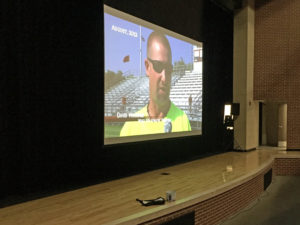
Fort Worth-based CBS 11 in November. We also showed it in the auditorium
in the high school West built to replace the one they had to demolish
after a 2013 fertilizer plant explosion. These photos actually both have
sports tie-ins. The one in the theater shows David Woodard, the
football coach and athletic director who had to rebuild his house
following the blast. The young woman doing the recording is Julia
Wernet, an outstanding outfielder on West’s state title-winning softball
team. She and four of her fellow students narrated the film. A Bright
Future : West ISD Rises Up will be available online sometime next year
after it’s finished its broadcast run in other markets.
photo by Dave French
Conclusion
This
post does not include the photo I ultimately chose for the holiday
card. To see that one, I guess you’ll have to hope I got your address
right.