Saturday, December 16, 2017

Watching Sports Has Never Been Simpler

This post originally appeared in the Blotch section of the Fort Worth Weekly's website. To consume it there : https://www.fwweekly.com/2017/12/14/sports-rush-a-simpler-time-for-sports/

So, how do you watch sports? This used to be a simple question, right? You either went to the game or you turned on the television (after checking the newspaper or the TV Guide to see if one of a handful of  television stations had scheduled it).

Has the sports viewing landscape has grown more complicated in the last 30-40 years? Instead of a few broadcast stations, you now have a multiplicity of outlets, and, consequently, a lot more games. And no longer do you just adjust the rabbit ears on the household’s only TV. You have a wide choice of devices on which to consume broadcasts.
You’ve still got the legacy broadcast networks, and they do still show some sports. They each own cable channels dedicated solely to sporting content, like ESPN and the Fox regional sports networks (RSNs). They’ve got joint ventures with other entities, like the SEC Network, the Longhorn Network, and the Big Ten Network. Other companies compete with them, too, as the likes of beIN Sports, the Tennis Channel, and AT&T-owned RSNs try to carve out market share.

And telecasts don’t actually require a television channel. The likes of Amazon, Facebook, YouTube, MLB Advanced Media, and others allow one to stream video feeds of athletic contests. The networks themselves, in fact, operate “over-the-top” services to enable streaming of events whose rights they control, like FOX Sports GO or WatchESPN.
So do all these choices make it more complicated to watch sports? I don’t think so, especially when you consider the entire process of game-watching.

If you just want to watch sport the way the casual fan did in the 1970s, you still can. Check the TV listings in the newspaper sports section that morning, watch a game or two on network affiliates on Saturdays and Sundays, and occasionally go to one of your local team’s matches.
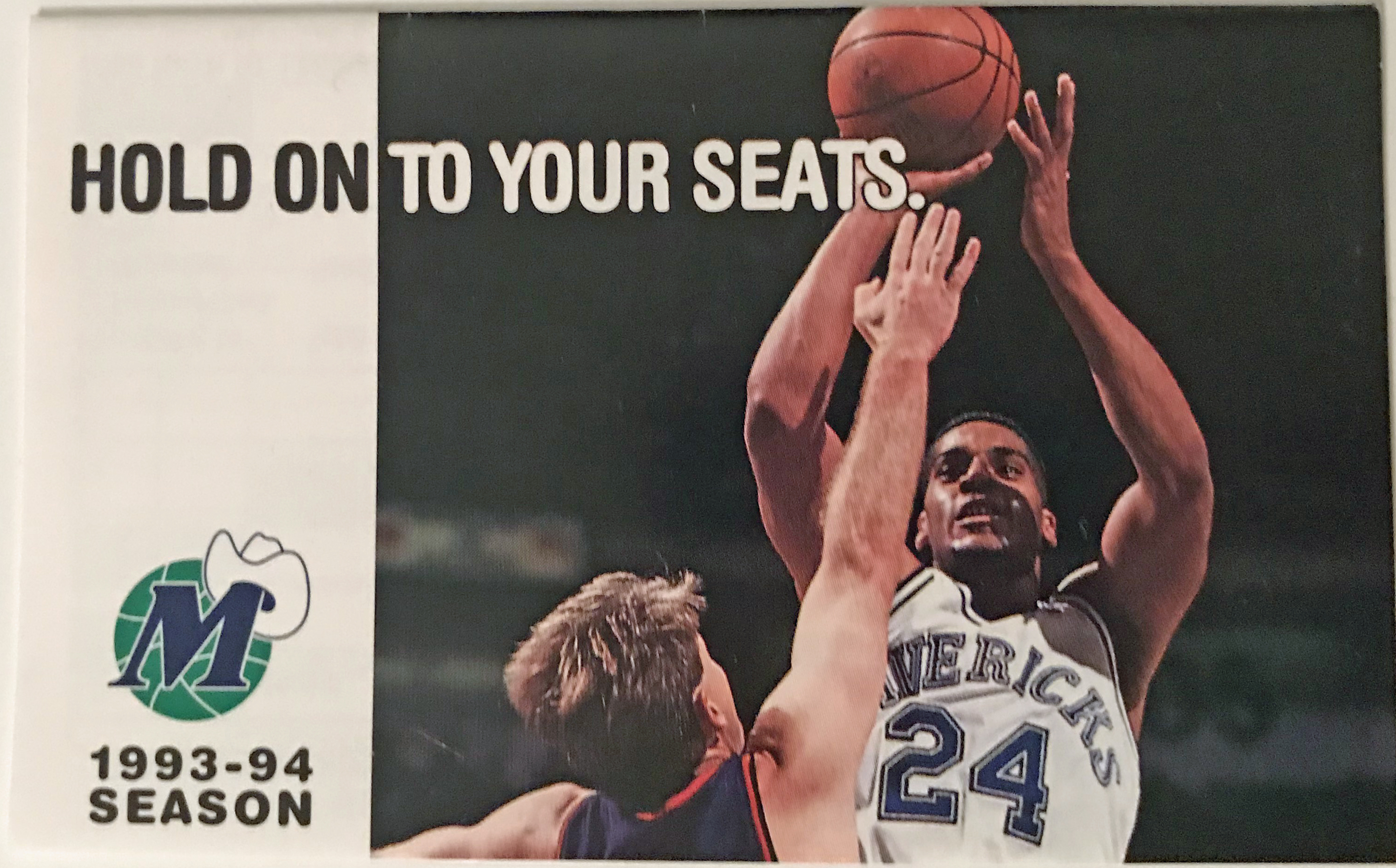
What if you wanted to plan ahead a bit, though? Even just knowing when your team played required effort. You either had to have clipped the schedule out of the newspaper when it came out at the beginning of the season or you had to acquire a physical copy, often in the form of a pocket schedule. You would have acquired one of those by traveling to a local merchant, assuming you had been able to find out which ones sponsored the team, or the team offices. And you had to hope it hadn’t changed since the printing date. Game times, broadcast carrier changes, and rainouts could all invalidate a given date on an analog schedule.

Today, you simply pick up your phone on a whim and use a search engine (or a league or team app) to find the latest schedule in a minute.

And say you wanted to watch a game played in another city that didn’t involve your local team? If it didn’t happen to be the game of the week on TV, what would you do? How would you even know the game was being played? If you had purchased a season preview magazine at the beginning of the season and prevented your spouse from throwing it away, it might have schedules for all the teams. You could write a physical letter to the out-of-town team and include a self-addressed stamped envelope, or call the team long distance after first dialing directory assistance for the number. The newspaper might list games a day or two out. Once you decided you wanted to see the game, you had to drive or fly there, and you’d have had a lot fewer flight options before deregulation.

Isn’t it much simpler to just watch it via an ESPN network or one of those NHL Center Ice or NFL Sunday Ticket packages that permit you to access out-of-market contests (and you get a whole season for a less than most plane trips)?

And what about the ancillary parts of watching a game? If a player intrigued you and you wanted to find out more about him, you might have had access to some limited information in a game program. If you wanted to see the rest of his career statistics, you might have needed to buy packs of bubblegum cards until you can across his entry, or travel to the library or bookstore and hope they had the latest edition of the Baseball Encyclopedia or the like. And in terms of asking your buddy what he thought about the game? Well, you could go to a payphone at halftime and hope he was home, though if the game wasn’t on TV he wouldn’t know what you were talking about until he read the story in the paper the next morning or saw 20 seconds of highlights on the evening news. Now you ping him on an easy-to-use social media or messaging app.

For most women’s sports, and any minor league sports, you would have had to go to even greater lengths to find out the information you wanted or see a game played. Almost no television coverage existed, and all the rigmarole noted above for getting to games was extra challenging for non-mainstream sports.

Today, sources like StubHub let you attend even the sold-out games without the complications of resorting to black-market ticket scalpers, and the electronic means listed above let you find a way to watch them with minimal effort.

We often refer to the past as a simpler era. Maybe that’s true in some respects, but not the sports viewing world. It’s never been easier to watch what you want.


Rush Olson has spent two decades directing creative efforts for sports teams and broadcasters. He currently creates ad campaigns, television programs, and related creative projects for sports entities through Rush Olson Creative & Sports, Mint Farm Films, and FourNine Productions.

RushOlson.com
Linkedin.com/company/rush-olson-creative-&-sports
Facebook.com/RushOlsonCreativeandSports

Thursday, December 7, 2017

The Big Picture at the Amon Carter Museum

This post originally appeared in the Blotch section of the Fort Worth Weekly's website. To consume it there : https://www.fwweekly.com/2017/12/07/sports-rush-showcasing-more-than-sport/

One could characterize Wild Spaces, Open Seasons: Hunting and Fishing in American Art, on display at the Amon Carter Museum through January 7, as an exhibition about sport. The paintings and sculptures on display offer American artists’ depictions of a pair of prominent outdoor sports.
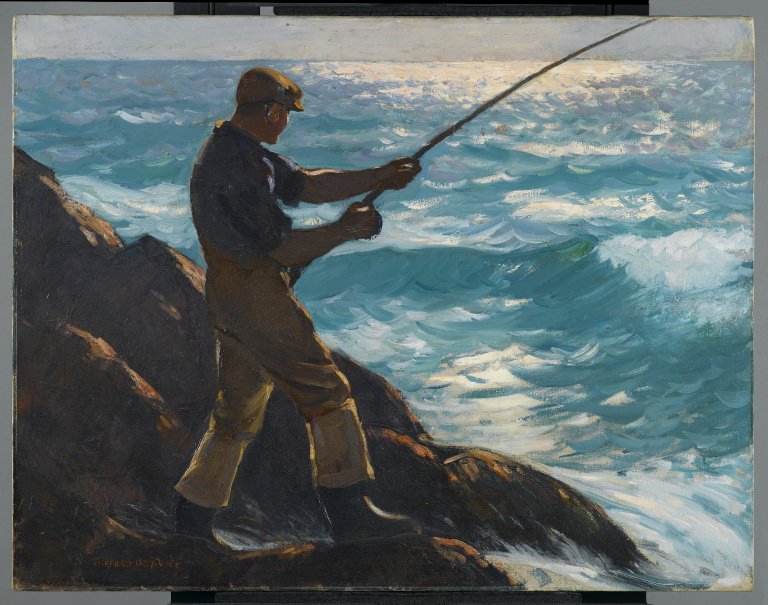
Gifford Reynolds Beal’s The Fisherman
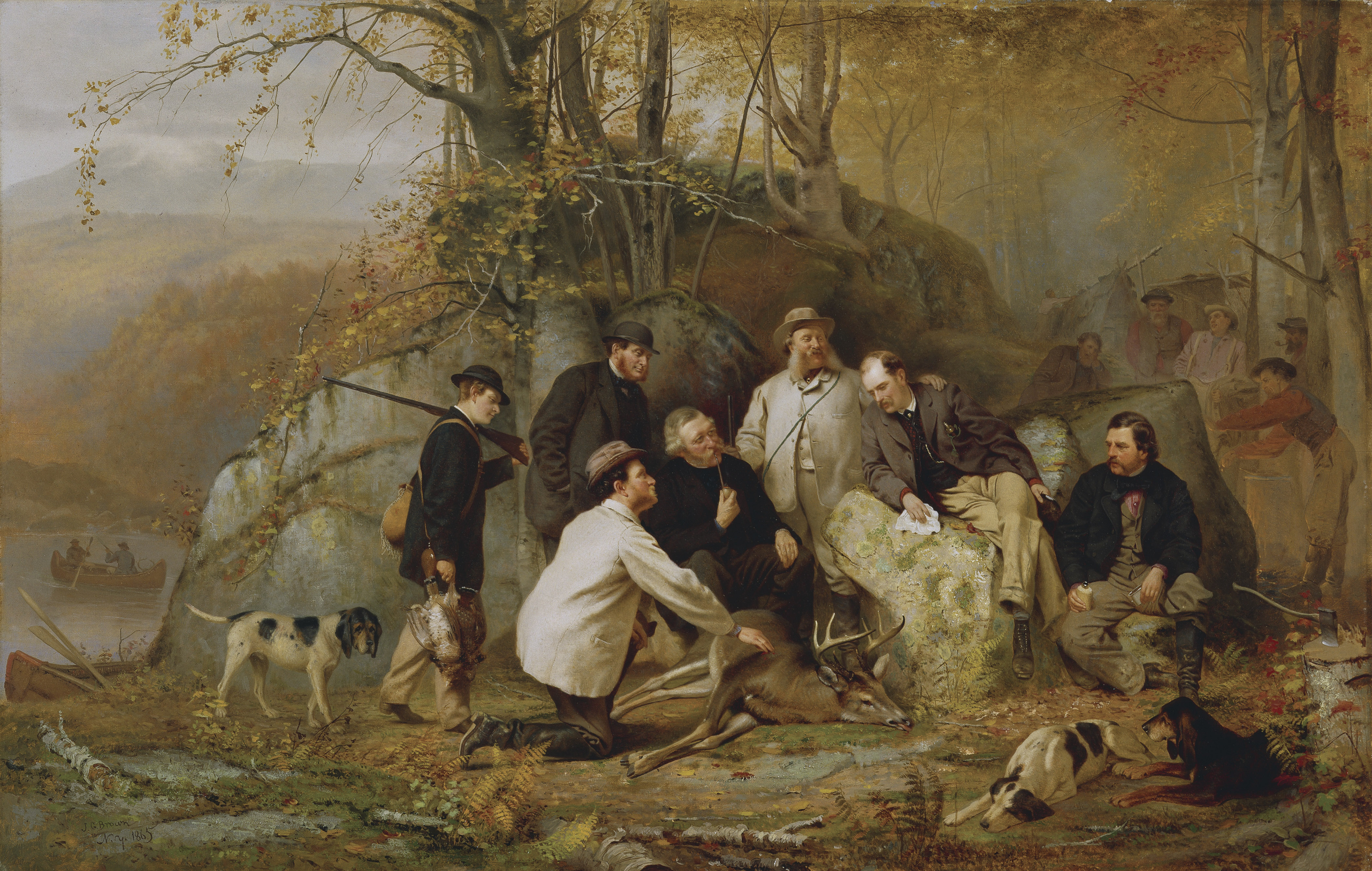
We think of sport as something one does for enjoyment, and many Americans hunt and fish to relax. The U.S. Fish and Wildlife Service estimates the country’s population contains nearly 36 million anglers and some 11.5 million hunters. Some might enjoy solo recreation, as in Gifford Reynolds Beal’s The Fisherman. Others prefer a recreational experience with friends, often accompanied by a round of post-excursion disputation, as seen in John George Brown’s Claiming the Shot: After the Hunt in the Adirondacks.
DTR352683 Claiming the Shot: After the Hunt in the Adirondacks, 1865 (oil on canvas) by Brown, John George (1831-1913); 81.3x127 cm; Detroit Institute of Arts, USA; Founders Society Purchase, R.H. Tannahill Foundation fund; PERMISSION REQUIRED FOR NON EDITORIAL USAGE; American, out of copyright PLEASE NOTE: The Bridgeman Art Library works with the owner of this image to clear permission. If you wish to reproduce this image, please inform us so we can clear permission for you.
DTR352683 Claiming the Shot: After the Hunt in the Adirondacks, 1865 (oil on canvas) by Brown, John George (1831-1913); 81.3×127 cm; Detroit Institute of Arts, USA; Founders Society Purchase, R.H. Tannahill Foundation fund
Much of the exhibition’s art doesn’t depict what we might think of as sporting, though. A competitor engaged in a game involving knife-fighting a bear, as in Arthur Fitzwilliam Tait’s 1856 painting A Tight Fix – Bear Hunting, Early Winter, would have a short career.
 
In place of jolly hunting parties, we see men and women pursuing game for the reasons most humans would have up until the last century: survival. The tribesmen engaged in Charles Russell’s Buffalo Hunt (or those in Alfred Jacob Miller’s painting of the same name) no doubt risk their lives bringing down a great horned beast not for the thrill of the chase, but because hungry family members await their return. John Quincy Adams Ward’s The Indian Hunter bears the look of someone who knows he must brave danger to eat (as does his dog).
Charles M. Russell (1864-1926); The Buffalo Hunt [No. 39]; 1919; Oil on canvas; Amon Carter Museum of American Art, Fort Worth, Texas; 1961.146
In pre-industrial times, hunters and fishers had to win at their contest with nature to eat. Only the upper classes hunted for sport. The well-to-do young man in John Singer Sargent’s Young salmon fisher, Alec McCulloch likely will not go hungry if nothing’s biting. The smiles in The Hunter’s Return by Thomas Cole would have no doubt been panicked frowns had the party returned to the wilderness cabin empty-handed.

During the 19th century, the American experiment had begun to set the stage for hunting and fishing to transition from subsistence occupations to widespread recreational pursuits. Agricultural innovations and the Industrial Revolution made it possible for the masses to move beyond spending long days at labor just to produce a day’s food supply themselves. They could now trade a shorter period of less taxing work for provender generated by a smaller number of more efficient agricultural producers. Fewer and fewer Americans needed to pick up their guns, bows, nets, or poles to feed themselves. When they did so, it was because they enjoyed it.

So if you think of Wild Spaces, Open Seasons: Hunting and Fishing in American Art as an exhibition of sports art (fitting in well with other sporting elements in the Amon Carter’s collection, as documented here and here), that’s fine. While there are still many who work in the commercial fishing industry (and a few who hunt wild game for a living), most of us do have the luxury of viewing hunting and fishing as more pastime than profession.

It’s because we have more time – a lot more time – than our hunter/gatherer ancestors for fun, including sports (and visiting art museums). This exhibition thus shows more than just beautiful works by accomplished artists. It also shows progress.

Wild Spaces, Open Seasons: Hunting and Fishing in American Art is on display at the Amon Carter Museum through January 7. Caught on Paper is a supplemental exhibition inspired by Wild Spaces, Open Seasons. It features 50+ outdoors-themed works on paper from the Amon Carter’s collection. It will remain on the walls through February 11.


Rush Olson has spent two decades directing creative efforts for sports teams and broadcasters. He currently creates ad campaigns, television programs, and related creative projects for sports entities through Rush Olson Creative & Sports, Mint Farm Films, and FourNine Productions.


RushOlson.com

Linkedin.com/company/rush-olson-creative-&-sports

Facebook.com/RushOlsonCreativeandSports
Thursday, November 30, 2017

Pat and Emmitt Smith Show Some Heart

This post originally appeared in the Blotch section of the Fort Worth Weekly's website. To consume it there : https://www.fwweekly.com/2017/11/29/sports-rush-emmitt-and-pat-smiths-pitch/


High-profile athletes can help deserving causes in more ways than one. They can use their celebrity status and the platform sports provides to bring attention to a need or to generate revenue for charities. They can also get involved on a personal level contributing time, personal funds, or expertise.

Since his playing days ended, Emmitt Smith and his wife, Pat, have used their Pat and Emmitt Smith Charities organization to assist children in all the above ways. Tuesday night at Dallas’ House of Blues, the Heart of Dallas Fast Pitch event, presented by Lagardère Plus, recognized the Smiths for their work with a Community Excellence Award.

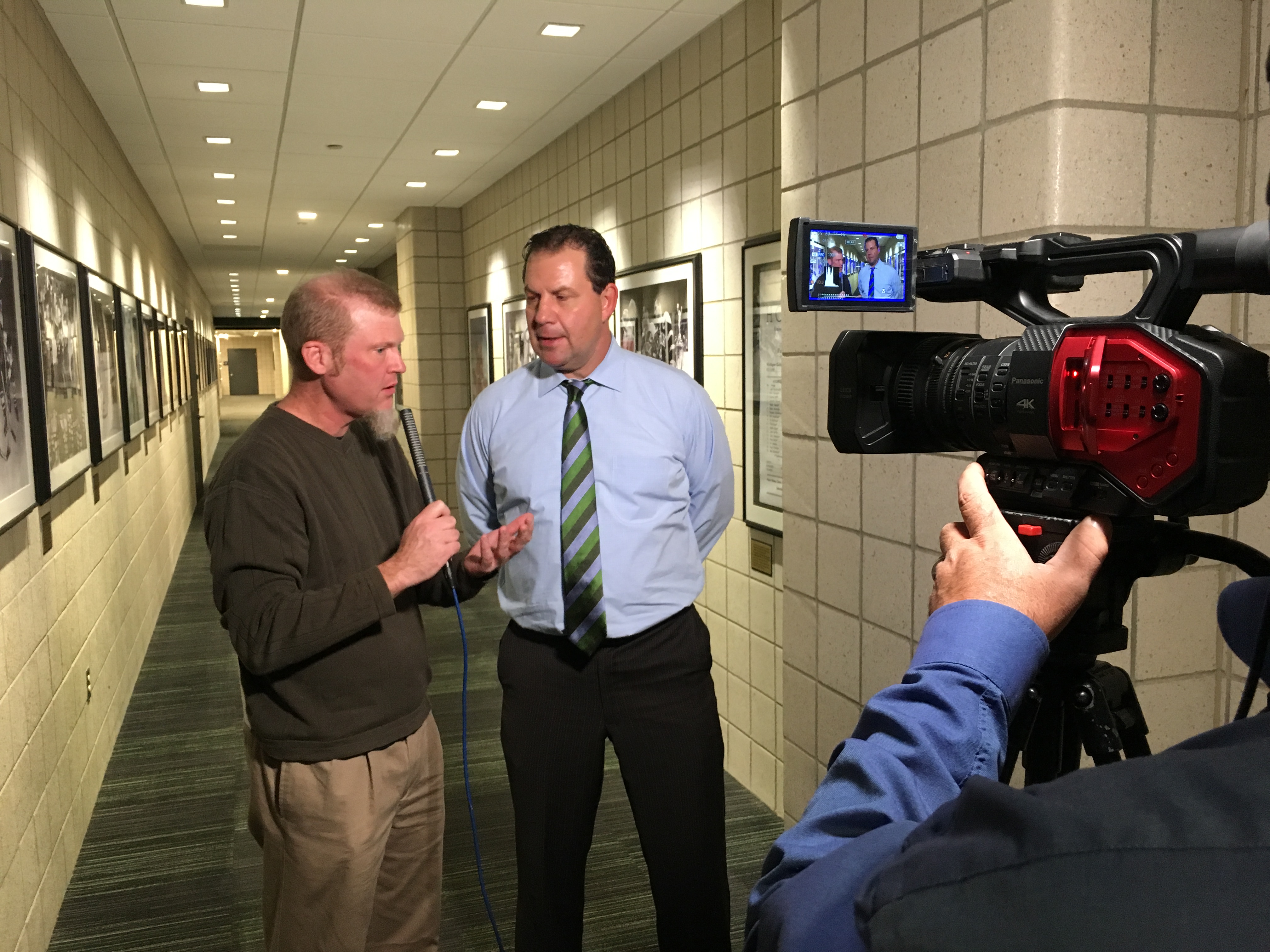
In this video interview, conducted red-carpet style at the event, Pat explains a bit about what their family’s charity does, and Emmitt provides a football player’s perspective. The latter seemed especially relevant since the $15,000 Pat and Emmitt Smith Charities received, as well as monies distributed to half dozen other nonprofits, come in large part from the Zaxby’s Heart of Dallas Bowl. That college football game, to be contested December 26 at the Cotton Bowl stadium between representatives of the Big 12 and Big Ten conferences, designates money for local causes and the Heart of Dallas Young Professionals organization disburses it annually at this event.
 
You notice Emmitt at the beginning and end of the interview pantomiming his own “pitch,” and the event got its name because six North Texas child-focused nonprofits must make a sales pitch about their missions. A panel of judges divides up available money among the groups, with the best presentations receiving the largest percentages. Tuesday’s finalists, culled from dozens of submissions, were Bryan’s House, Dallas CASA, Jubilee Park and Community Center, Rainbow Days, Rise Adaptive Sports, and Texas Scottish Rite Hospital for Children. All received at some funds, and no one took home less than $5,000.
 
During the event, the Smiths had an on-stage discussion with emcee Corby Davidson. The Hardline co-host asked them a little about football and a lot about charities. The subject of Emmitt’s fashion sense came up, too, with Pat labelling his formerly subpar selections as “BP” (“Before Pat”) and Emmitt designating them “BM” (“Before Money”). Mostly, the audience found out about how the couple uses both celebrity status and their laid-back but focused personalities to direct attention and funds toward endeavors they feel improve children’s lives.


Rush Olson has spent two decades directing creative efforts for sports teams and broadcasters. He currently creates ad campaigns, television programs, and related creative projects for sports entities through Rush Olson Creative & Sports, Mint Farm Films, and FourNine Productions.


RushOlson.com

Linkedin.com/company/rush-olson-creative-&-sports

Facebook.com/RushOlsonCreativeandSports

Tuesday, November 21, 2017

Thanksgiving - Talking Stuff(ing)


This post originally appeared in the Blotch section of the Fort Worth Weekly's website. To consume it there : https://www.fwweekly.com/2017/11/21/sports-rush-talking-thanksgiving/


The opportunity to help folks in need at Thanksgiving offers the giver certain rewards, like a sense of satisfaction . . . a feeling of community . . . and the opportunity to talk some trash.

A group of tall men and women brought food to Fort Worth’s Sweet Home Baptist Church Saturday - specifically turkeys. In addition to helping needy families, the birds provided the group an opportunity to call each other “jive turkeys” and instruct recipients to pull up near the group of “two-legged turkeys.” “Turkey” is such a versatile word.

The donors represented the local chapter of the National Basketball Retired Players Association, so they had some expertise in talking noise. It was all in good fun, and, in fact, as you’ll find out in this post’s featured interview with former Maverick Morlon Wiley, some of the kids at the event talked a little smack of their own to the oldsters.

In fact, former Clipper Steffond Johnson, with an assist from our videographer Dave French, secured the church’s basket standard in place so the children would have a regulation hoop at which to shoot. And these retired NBA, ABA, and WNBA players handed out a lot of turkeys, too. In addition to the NBRPA’s own contributions, sponsors Whole Foods Market, Ben E. Keith Beverages, the Mount Olive Missionary Baptist Church of Ft. Worth and Stop the Violence, Inc. chipped in donations, both cash and in-kind.

Fort Worth’s mayor, Betsy Price, who has known NBRPA chapter president Willie Davis for decades, made an appearance in support of their efforts. Other former players in attendance included Micheal Williams, Genai Walker-Macklin, Sam Perkins, Cincy Powell, and Eugene Kennedy.

NBRPA gatherings regularly include a bit of trash talk, but luckily they also frequently include charitable outreach. Saturday, Fort Worth absorbed both with a smile.


Rush Olson has spent two decades directing creative efforts for sports teams and broadcasters. He currently creates ad campaigns, television programs, and related creative projects for sports entities through Rush Olson Creative & Sports, Mint Farm Films, and FourNine Productions.

RushOlson.com
Linkedin.com/company/rush-olson-creative-&-sports
Facebook.com/RushOlsonCreativeandSports

Thursday, November 16, 2017

Female-Friendly Firearms

This post originally appeared in the Blotch section of the Fort Worth Weekly's website. To consume it there : https://www.fwweekly.com/2017/11/14/sports-rush-female-friendly-fire/


Jeanie Almond shoots a gun well enough to have competed at this country’s top levels of competition. She’s also a mom, a grandmother, and runs a new shooting range near Texas Motor Speedway. Almond teaches all kinds of students, but especially loves educating women on how to use firearms for self-defense, for fun, and for sport. Oh, and she owns a big pink truck.


In this video interview done at one of her clinics at 505 Ranch in Mabank, we discussed her passion for what she calls Lipstick and Lead, a program created to introduce women to shooting sports. She trains women in self-defense, and many transition to competition shooting as well. Her decades of instruction have given Almond insight into how to teach female shooters – we find out about why she  might show them different techniques than she would a male student.


Rush Olson has spent two decades directing creative efforts for sports teams and broadcasters. He currently creates ad campaigns, television programs, and related creative projects for sports entities through Rush Olson Creative & Sports, Mint Farm Films, and FourNine Productions.

RushOlson.com
Linkedin.com/company/rush-olson-creative-&-sports
Facebook.com/RushOlsonCreativeandSports

Tuesday, October 17, 2017

Stars in College Hockey Country

This post originally appeared in the Blotch section of the Fort Worth Weekly's website. To consume it there : https://www.fwweekly.com/2017/10/17/sports-rush-stars-in-college-hockey-country/


Brad Berry played in the Dallas Stars organization for a number of years, including a couple of seasons in Minnesota, several with the top farm club in Kalamazoo, and the team’s inaugural season in Dallas. The former defenseman has since returned to his alma mater, the University of North Dakota, as the head coach. He won a national championship two years ago in his first season as the man in charge and has his group off to a 3-0-1 start this season.


We interviewed Berry, who bore some stitches above his right eye thanks to a wayward practice puck, after his team had just finished sweeping a pair of games from the St. Lawrence Saints. Before the Saturday game, the program honored the 1986-87 team that won a national title. A number of the players from that squad had returned to campus to enjoy a reunion, including a pair who also won a Stanley Cup with the Stars: Ed Belfour and Tony Hrkac. That North Dakota team, in fact, became known as “The Hrkac Circus,” as they set scoring records and became the first college hockey team to record 40 wins in a season. 
Rush Olson interviews Brad Berry
photo by Tom Fireoved
Coach Berry commented on what it meant to have that team return to the ice, both for him and his players. I also asked him about the hockey experience at the Ralph Englestad Arena. It was my first time to visit the facility and it is a remarkable place to watch a game. Impressive physical features include marble floors and padded seats, and they have a row of suites and a couple of clubs with a view of the action. The crowd is into it, with chants and gestures and a band. In the interview, Berry compared it to a college football atmosphere and I agree with him. At the second intermission, the band even plays as they march around the concourse. A hockey fan might want to put a North Dakota game on his or her bucket list.


Rush Olson has spent two decades directing creative efforts for sports teams and broadcasters. He currently creates ad campaigns, television programs, and related creative projects for sports entities through Rush Olson Creative & Sports, Mint Farm Films, and FourNine Productions.


Thursday, October 5, 2017

A Voice Lives On

This post originally appeared in the Blotch section of the Fort Worth Weekly's website. To consume it there : https://www.fwweekly.com/2017/10/03/sports-rush-a-voice-lives-on/

I only met the man in person once.

The meetup came at the Dallas Stars’ media day in September, 2015. The team had just hired Dave Strader as its play-by-play announcer and he had come over to Frisco’s Dr Pepper Arena to observe the goings-on. I chatted with him and his new broadcast partner, Daryl Reaugh. The whole conversation might have lasted a minute. I remember Dave being nice and then I went on to whatever other production duties had presented themselves.

I re-connected with Dave earlier this year. The Stars announcer was scheduled to join his radio counterparts from the Mavericks, Rangers, and Cowboys to swap stories and raise money for charities. I had taken on some producing duties for this event, called Talk of the Town, and needed to work with him on the show. What made it tricky was that we didn’t know if he would be there.

Since I had last seen Dave Strader, the Hockey Hall of Fame had honored his broadcasting excellence by naming him the 2017 recipient of the Foster Hewitt Memorial Award. Dave had also contracted cholangiocarcinoma, a punishing cancer of the bile duct.

We had shot funny (I hope) promotional videos with Eric Nadel, Brad Sham, and Chuck Cooperstein to promote the event. Dave didn’t get to participate in those because he was undergoing treatment. But he retweeted and promoted and did everything he could to support his fellow broadcasters, the event, and the charity he had chosen to benefit from it, the Dallas Stars Foundation.

We had discussed trying to have him participate live via an electronic connection if we could work out the technical details, but I honestly wasn’t sure what to expect and what kind of strength he would have. Then, shortly before the event, we found out good news: Dave would be well enough to fly in and attend the event.

We needed to add his elements to the program. I had collected play-by-play excerpts for all the other announcers and now I got to ask Dave what he wanted. He asked for a Red Wings call, his last as a team broadcaster for that Original Six team. A connection helped me get that from Detroit. He also sent us a voicemail recording sportscasting icon Marv Albert had left him after the Foster Hewitt announcement.

Then, abruptly, Dave’s treatment schedule changed. He wouldn’t be able to make it to Dallas for Talk of the Town. But he felt he would be strong enough to join via Skype if we could make the technical details work (which, luckily, we could). And that evening, we dialed him up and found out he indeed was very much robust enough to connect and contribute.

I had Dave make his entrance in the middle of the program because I wasn’t sure of his stamina. I wish I had dropped him from the beginning, because he gave a fantastic performance. He told great stories, interacted with his fellows, and gave the audience one of the best memories of any charity event I’ve ever worked. I’ll never forget how moved the table of Dallas Stars employees seemed when he appeared on the video screen. When he signed off, they and the rest of the crowd gave him a well-deserved standing ovation.
Talk of the Town might have been the last time he got to use his voice in a live broadcast-style setup to entertain sports fans. It seemed to truly energize him and I think that makes all of us who took part in it feel pretty good.

I had one other regret from the evening. When we were talking about calls to find, Dave had written this: “I would love to have the call of Jamie Benn’s OT goal from Feb 18…my first game game back after my cancer diagnosis. I would also like the clip of Razor’s comment as the players skated over to salute me at the end of the game.”

In hindsight, I desperately wish I had made the extra effort to include that call, which due to exigent circumstances that week, was more of a challenge that it normally would have been. I remember thinking that I would for sure use it for next year’s event, when he would hopefully make a triumphant in-person appearance.

That won’t happen now. Dave Strader died Sunday.

I only met Dave the one time, and communicated with him via email, phone, and Skype a bit. Yet somehow his passing resonated deeply. It didn’t require much exposure to the man to see his passion for people and a deep-seated fervor for life.

Many Stars fans (and those of the other teams for whom he called games) never had the pleasure of meeting Dave even once, but I bet they could tell the same things I could, thanks to the zeal with which Dave broadcast hockey games (and the other sports he did as well).

Many in the hockey business called Dave Strader “The Voice.” Luckily, his voice will live on in the work he did and the calls you’ll be able to listen to online and in hockey shows for years to come. And in the memories of those who knew him, even just a little bit.


Rush Olson has spent two decades directing creative efforts for sports teams and broadcasters. He currently creates ad campaigns, television programs, and related creative projects for sports entities through Rush Olson Creative & Sports, Mint Farm Films, and FourNine Productions.

RushOlson.com
Linkedin.com/company/rush-olson-creative-&-sports
Facebook.com/RushOlsonCreativeandSports