At charity events this year, I saw folks throw footballs or
hit tennis balls to people. I heard wild stories about ballgames and
boxing matches. And I witnessed some moments of generosity and respect
worthy of the holiday season.
Regular readers of this blog may know that when I’m not lounging in
the palatial Fort Worth Weekly office suite, I do other creative work. A
good chunk of it involves adding to the presentation of events, and
especially sports-related charitable ones. Read on for some detail on
some event-related moments that left an impression.
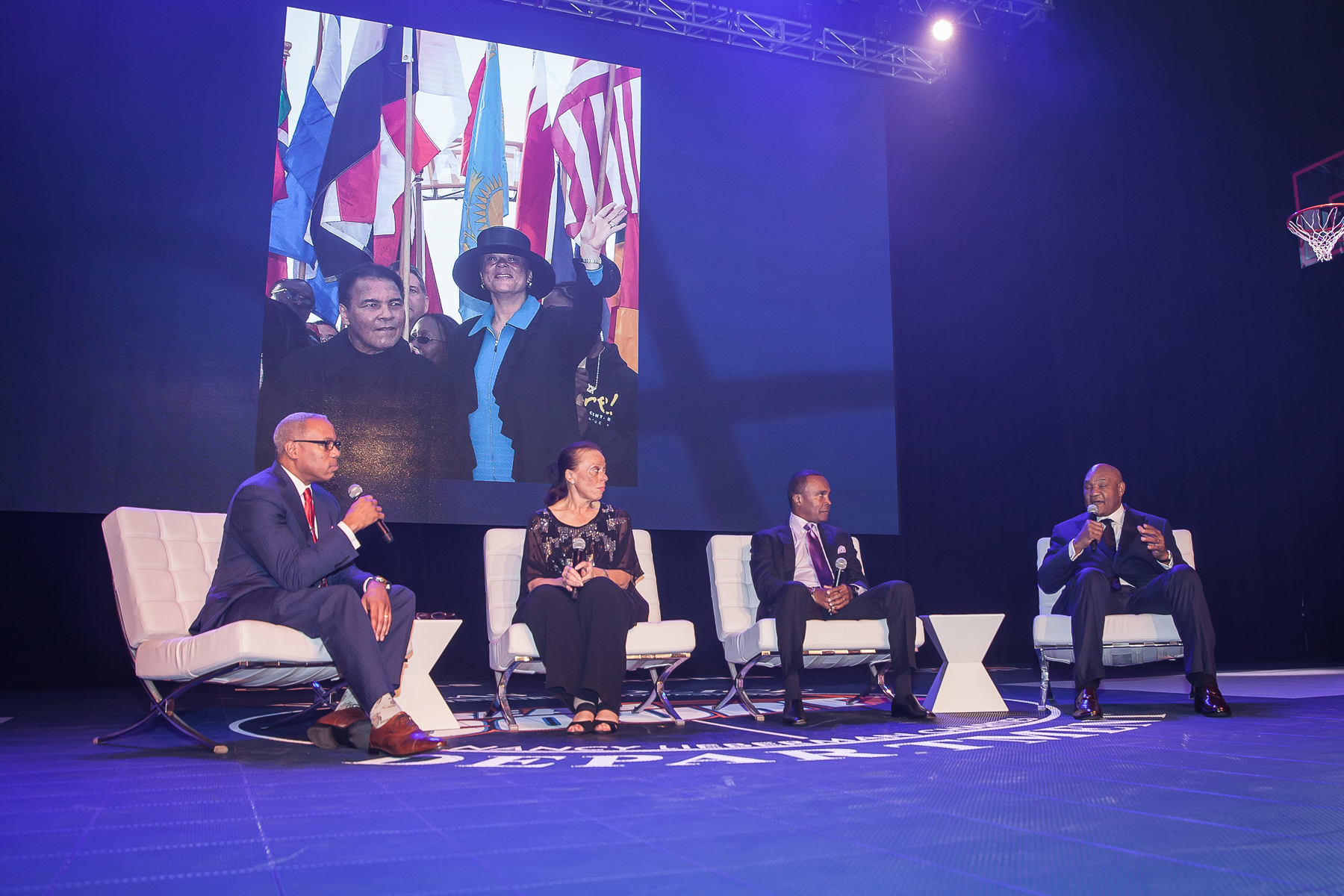
Nancy Lieberman Charities Dream Ball
February, 2017
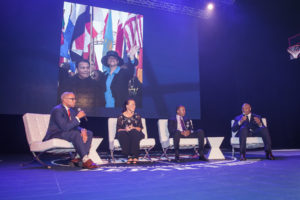
photo by Thomas GarzaFrom a sports content standpoint, it might not get better than this,
especially if you’re a boxing fan. At the end of the evening, a
roundtable discussion moderated by ESPN SportsCenter anchor Jay Harris
featured Sugar Ray Leonard, George Foreman, and Lonnie Ali (Muhammad’s
widow) talking about Muhammad Ali’s legacy. We streamed it via Facebook
Live and you can watch the panel, plus Lonnie Ali receiving an award, here.
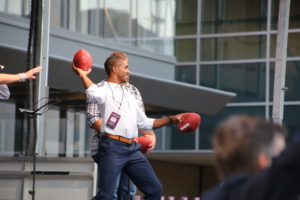
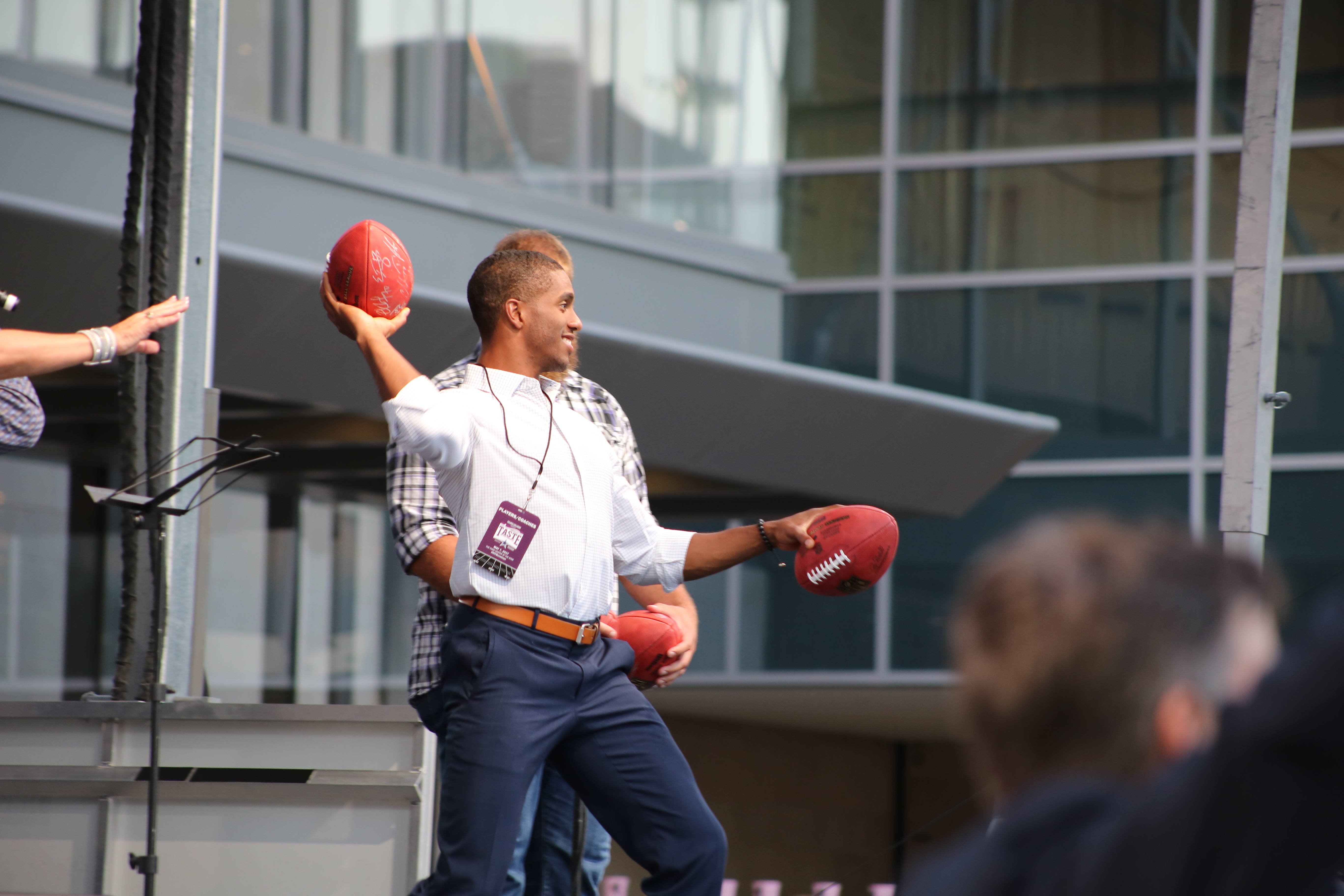
Taste of the Cowboys May, 2017 photo by Lori Gunter FrenchThis event raises funds for the North Texas Food Bank, and the Dallas
Cowboys serve as the face of the event (especially the bearded face of
Travis Frederick and his fellow offensive linemen). They held this
year’s event at the team’s new practice facility, The Star. It features
prominent local chefs serving samples of signature dishes, so the food
is a highlight, but the most fun part might involve football. After the
live auction concludes, a bunch of current and former Cowboys players
take the stage. The auctioneer requests additional donations to the food
bank, and when an audience member raises his or her hand to contribute,
a player throws him or her a football. The completion percentage isn’t
terribly high, but you do see a few good catches interspersed. It’s a
cool spectacle and no doubt drives donations.
Behind the Masque Gala May, 2017
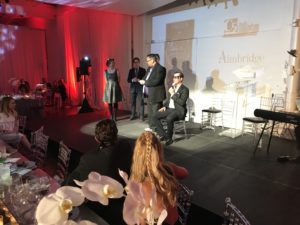
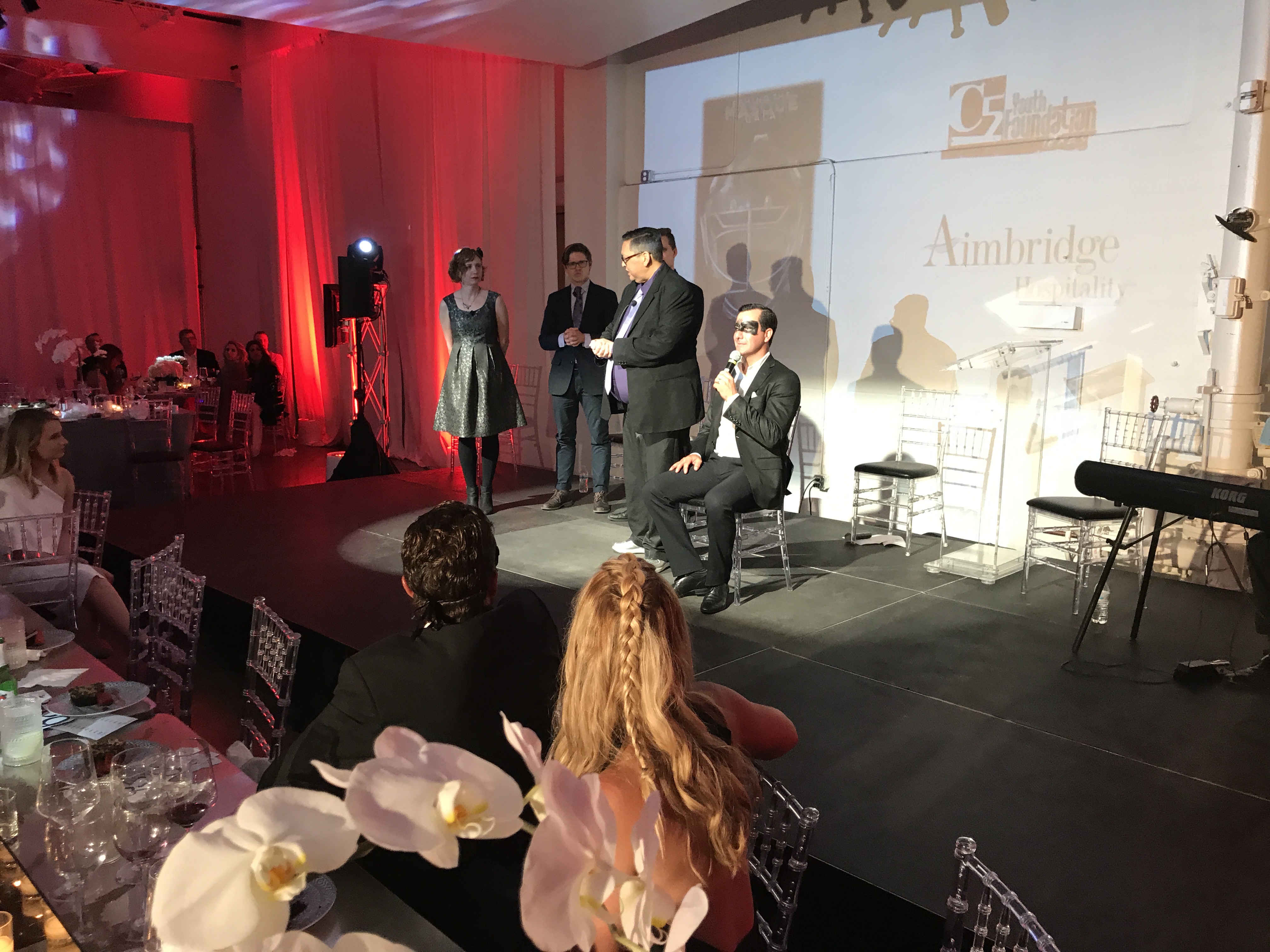
Former Stars goaltender Marty Turco runs a charity called C5 Youth Foundation of Texas, and they do amazing work
helping kids from challenging backgrounds navigate their teenage years
and get into college. They annually hold a masquerade ball as a
fundraiser, and this year the featured entertainment involved an
improvisational comedy troupe from the Hideout Theatre.
The comedians managed to lure the easygoing Turco on stage, where
they quizzed him about his day, which included hot yoga, picking up
spirits for the event, and playing nine holes of golf. They then made up
a song about his activities. In the middle of the routine, Turco
laughed so hard his chair broke. It couldn’t have been scripted any
better.
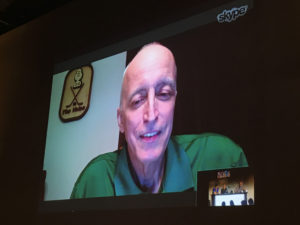
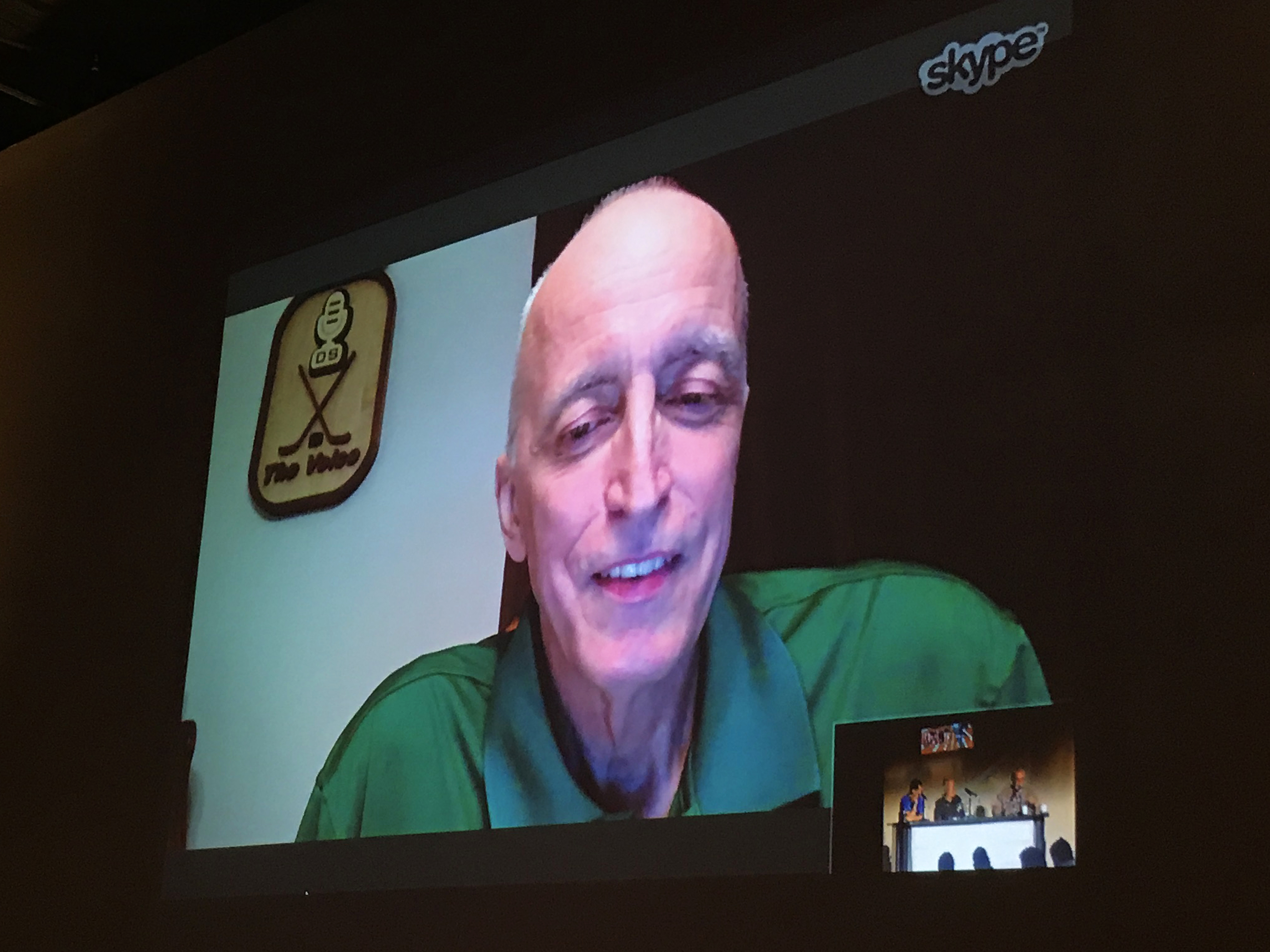
Talk of the Town July, 2017 photo by Carrie AdamsMaybe the most poignant moment of my year came at the Talk of the Town event. I’ve written in detail
about why, but the quick holiday summary involves a Skype appearance by
Dallas Stars announcer Dave Strader. Strader’s fight against cancer had
prevented him from being physically present at the event, but he wanted
to participate. So he joined his counterparts from the Mavericks,
Rangers, and Cowboys electronically and it lit up the room, especially
the table full of his Stars co-workers.
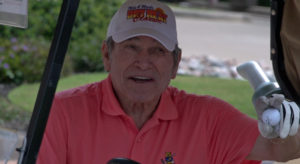
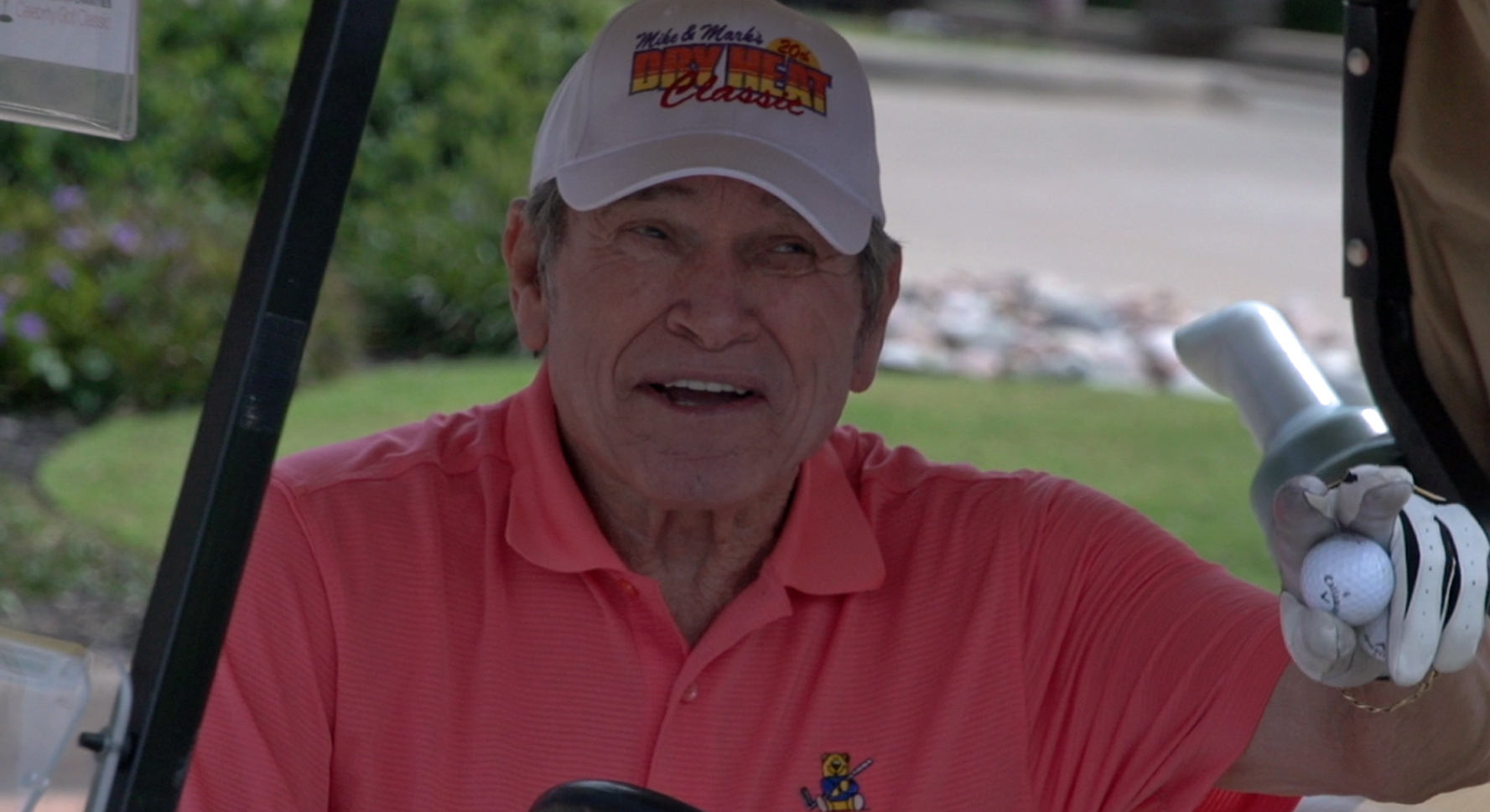
Nancy Lieberman Charities Celebrity Golf Classic September, 2017 image by Dave FrenchOne reason golfers play this tournament is the opportunity to rub
elbows and trade foot wedges with notables from the worlds of sports and
entertainment. It was nice seeing the likes of Seth Curry, Tony
Casillas, Jose Guzman, and others show up to the support the charity,
but one of the highlights was talking to comic actor Burton Gilliam near
the 10th tee. My work that day involved shooting video, and we got to
talking about camera technology. When he first got into the business,
there was no digital technology allowing you to see what you had just
shot as soon as you’ve done it. One shot movies on actual film, and you
didn’t know what you had until it had been developed. Burton told me
they once had to completely reshoot a scene when he was making Paper
Moon because of something they hadn’t seen the previous day. It gives
one an appreciation for all the scenes moviemakers did get right back in
the day. The main reason this one made the list though, is the scene at the end of this video. You’ll note Mr. Gilliam still has his acting chops.
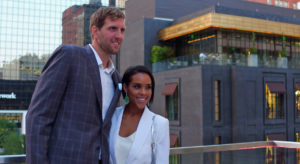
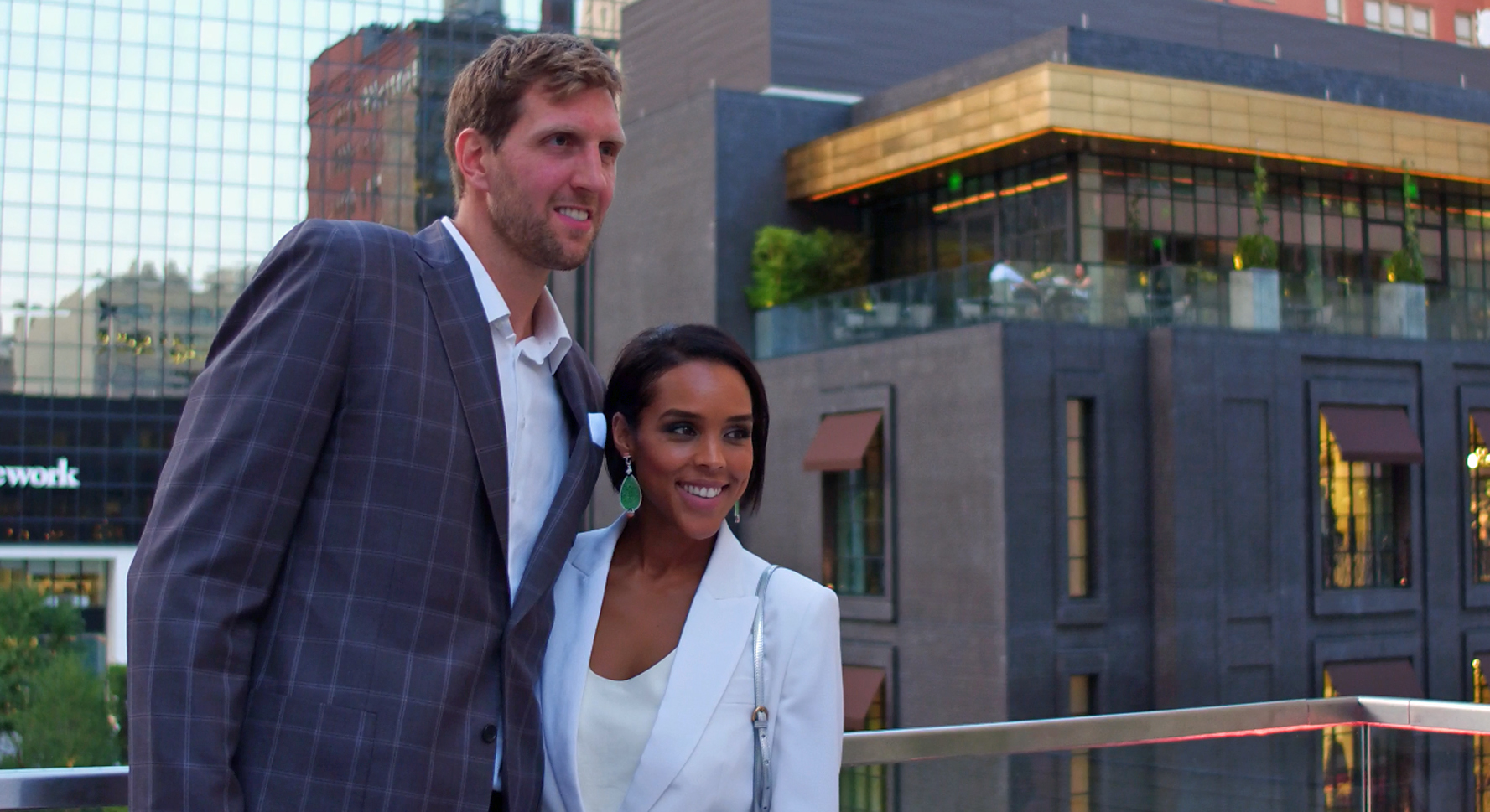
Dirk Nowitzki Foundation Pro Celebrity Tennis Classic September, 2017 image by Dave FrenchDirk and Jessica Nowitzki have put on a celebrity tennis event
the last two falls at the SMU tennis center. The tennis was a lot of
fun, with a mix of world-class players like Donald Young and celebs from
other professions like Owen Wilson and J.J. Barea. The evening before,
they hold an exclusive VIP dinner
and a silent auction. My personal favorite moment came when a video we
had edited elicited tears from some audience members, but the best
overall moment came during the silent auction that followed. As bids
rose for various package, celebrities started stepping up. Former Dallas
Star Mike Modano offered to fly in for a dinner package that already
included Dirk, and other celebs joined. There were a number of cool
gestures made and a lot of generous bids made it a six-figure night for
the children’s causes helped by the Dirk Nowitzki Foundation.
Those are just a few highlights of the year in sports charity events, and I could name many more
great moments and events (and I do feel guilty for not mentioning every
single event I worked or attended in 2017 – they were all fantastic).
Sport can be a force in doing good things, and a lot of people
contributed a lot of time, energy, and money to improving people’s lives
this year. Here’s to more of that in 2018.
Rush Olson has spent two decades directing creative efforts for
sports teams and broadcasters. He currently creates ad campaigns,
television programs, and related creative projects for sports entities
through Rush Olson Creative & Sports, Mint Farm Films, and FourNine
Productions.
When you scored a touchdown for your peewee football team or
converted a penalty in the high school soccer playoffs or legged out an
infield single in beer league softball, you helped your sports team win.
But how did that sport help you?
My entire family has long held a belief, shared by many in the
athletic profession and beyond, that playing sports confers benefits far
beyond the enjoyment one receives during the game itself. A recent
speech by a sports professional reminded me why.
Regular readers of this blog, such as there are, may have noticed that I sometimes write about sports industry events
at which I work, many of them charity-related. When I do, it is usually
because Carla Rosenberg brought me in to assist her through her
company, Matchpoint.
Ms.
Rosenberg is a superstar in the charity event field. I keep working for
her because she is one of those rare people who can see the big picture
while also remaining mindful of the thousands of details executing a
substantial gathering requires. Plus, she’s a genuinely nice person who
can apparently put up with me.
She also knows the sports business, which makes sense when you know
her background. She and I met when we both worked for the Texas Rangers.
Before that, she played collegiate tennis for the University of
Illinois after emigrating from South Africa where she was a top-flight
junior player. Following the Rangers, she went on to a successful stint
running the Dallas Stars Foundation. Now she organizes events and/or
operates foundations for the likes of Marty Turco, Nancy Lieberman, Dirk
Nowitzki, and others.
Something got Rosenberg to the point where she is this successful,
and it was clearly either in spite of sports or because of them. In a
recent talk she gave to employees at the North Texas Food Bank, she
explained the role sports, and especially tennis, played in her
development as an executive.
“The tangibles that come through playing athletics stay with you,”
she said. She turned those tangibles into a series of philosophies she
finds crucial to success.
She started with “Understanding winning & losing,” with an emphasis on the latter. “The biggest lesson that I’ve actually learned is not from winning.
It’s from losing. I’ve lost tennis matches. I’ve made mistakes at events
and I just realized I can’t stay down.”
Her point was that losing happens in life as well as sports, and experiences on the field or court teach one to deal with it.
One thing I enjoy about working with Ms. Rosenberg is that she aims
to leave as little to chance as possible. Rosenberg says she prepares
for every meeting, conference call, and event because it causes her to
feel the same assuredness she did when she played.
“When I used to step out on the court, I felt very confident. I felt
like that was my safe haven. I felt very secure and I think it was
because of all the practice and all the training and all the repetition
that allowed me to feel that way.”
It’s nice to go into an event feeling comfortable, thinking we’ve got
everything ready to go. Live events, however, sometimes take detours one
could never anticipate. Technical issues, no-show celebrities,
last-minute auction additions – one has to know how to deal with the
unpredictable.
“Playing tennis in real time, under high-pressure situations, you have to make decisions,” she said.
We hear analysts talk about “going for shots.” One has to be decisive
and execute with confidence, relying on the technique one has refined
in practice. It works the same way in events, where having a clear idea
of what is supposed to happen and why helps you find alternative
solutions when reality doesn’t follow the script.
Not that such situations don’t make one uneasy. But one of
Rosenberg’s topic headings suggested “You grow the most when you are
uncomfortable.”
“I’ll use tennis as the metaphor. When I had an injury, it wasn’t
that I failed. I had an injury. It forced me to step back. When I got
back out on the court, again, I was rejuvenated. I had a different
perspective,” she noted. “Sometimes when you’re uncomfortable, it’s OK.
It’s the growing time.”
Sports and business both have their bottom lines. One must grow to
the point where one can win some games, sets, and matches. Rosenberg
learned that lesson when she vacationed in South Africa during Illinois’
winter break her senior year instead of training. When she returned,
her coach dropped her several slots in the team’s ranking, suggesting he
would play her in the line 6 singles position. After a lengthy rant to
her father, Mr. Rosenberg asked her if she were finished.
“He goes ‘win your matches and you’ll play number one again,’ and I
learned that very quickly. Produce results and you don’t have to do the
talking.”
Results matter in tennis, sales, and all other walks of life. It
turns out style matters, too. I don’t mean fashion sense or decorating
acumen, although Rosenberg has a flair for both. An organizer who
manages live events must keep her cool when circumstances rejigger
themselves without asking. Ms. Rosenberg always does. Her junior tennis
coach taught her that lesson one day when she played less than her best
and let it show. He told her “when I look over at your court, I
shouldn’t know if you’re winning or losing. It’s called poise.” A lot of times, a good coach makes the difference in how well sports’ lessons take root. “I was very lucky,” Rosenberg said. “I had an incredible tennis
coach. It wasn’t about being a champion tennis player. It was about what
kind of person are you going to be.”
The North Texas Food Bank isn’t a sports organization, but they
sought out a sports person to speak with them – to coach them. They did
it because her athletic background had given her far more than knowledge
of odd-man rushes and forehand technique. It had provided tools she
could use to succeed in many areas of business and life. Sports does
that.