After retiring from playing hockey, former Dallas Stars goaltender
Marty Turco has maintained the affinity for nonprofit work he had as a
player. Turco serves as president of C5 Youth Foundation of Texas, an
organization that works with at-risk youth to shepherd them from eighth
grade through high school graduation. Their track record includes nearly
all of their graduates advancing to college.
Part of Turco’s job
includes fundraising, and he has an event coming up May 11th that draws
inspiration from his hockey equipment. The Behind The Masque Gala,
presented by Aimbridge Hospitality, is a masquerade ball. In this video
interview, Turco explains a few details about the event and delves into
his own experience of wearing custom-made masks when he played. He also
talks about why he feels C5 Texas to be such a worthwhile organization.
To learn more about C5 or to support them by purchasing Behind the Masque tickets, visit c5texas.org.
Rush Olson has spent two decades directing creative efforts for
sports teams and broadcasters. He currently creates ad campaigns,
television programs, and related creative projects for sports entities
through Rush Olson Creative & Sports and FourNine Productions.
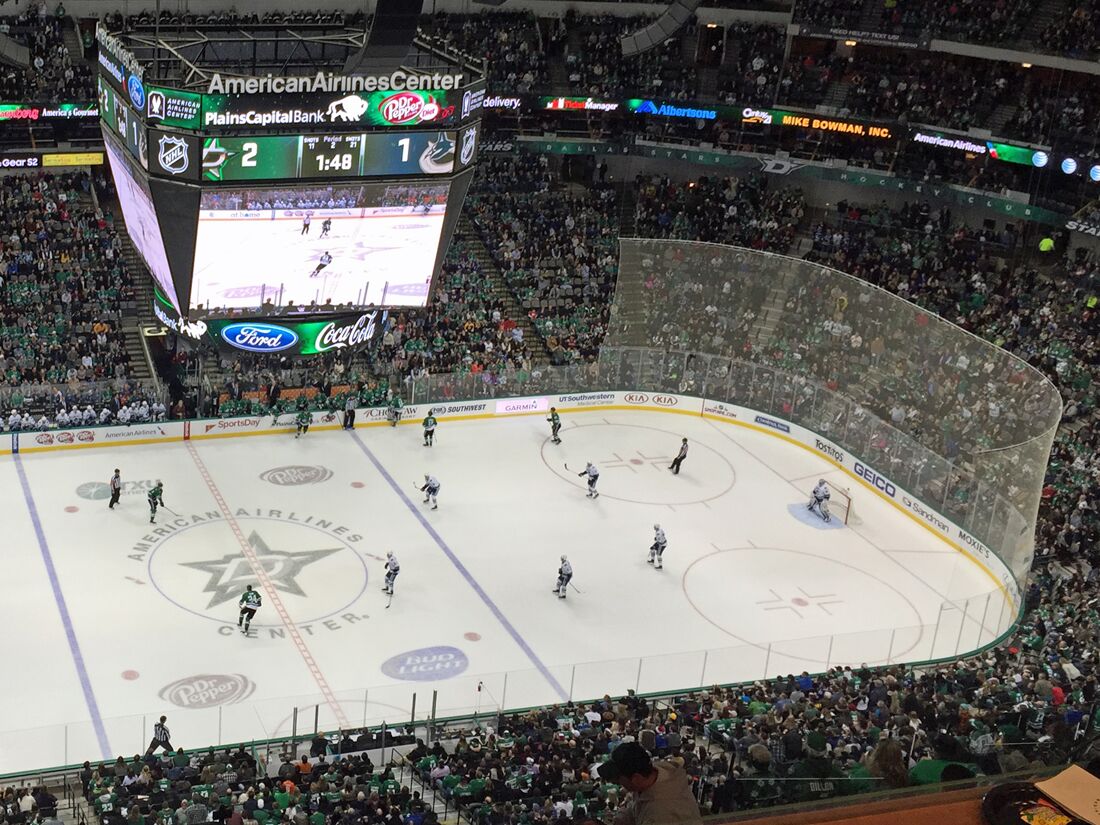
Dallas Stars fans have had a lot of reasons to
take pride in their team this season. They’ve played exciting hockey,
hovering at or near the league lead in goals scored all year. Supporters
have no doubt loved the team’s moxie, demonstrated most recently by
taking six points from four road games (including three in the Pacific
time zone) in six days. And they’ve certainly enjoyed seeing the Stars
compile the National Hockey League’s best record while featuring a
number of guys who’ve never played for another NHL team.
The Stars drafted their leading goal scorer in the fifth round in
2007. They took their top-scoring defenseman in the same round three
years later. Jamie Benn and John Klingberg join nine other men on the
current roster whom the Stars either drafted or signed after the player
went undrafted.
That Dallas would see success from homegrown players comes as no
surprise to Stars fans who have expected a wave of young players to move
the franchise forward for a few years now. The team’s top minor league
affiliate, the AHL’s Texas Stars, have been to the Calder Cup finals
twice this decade, winning the title in 2014. The ECHL’s Idaho
Steelheads have not missed the playoffs as a Stars affiliate and won
their league’s Kelly Cup in 2007.
This Stars team may end up being really good. Really, really good,
even. The Stars have had a number of strong teams since coming to
Dallas, but one can make the case that this is the most homegrown good
team they’ve iced.
By way of comparison, I looked at the six Stars teams that have made
the conference finals since homegrown Hall-of-Famer Mike Modano joined
the team in 1989. The era had the draft remaining as an established
commodity, Eastern European players becoming easier to import, and free
agency in place. The rules for building a team changed over that period,
but not so appreciably as to make comparisons irrelevant, as they would
have been during the Original Six or WHA periods.
To calculate, I looked at the top 22 skaters as measured by playoff
games played, plus the top three goalies in the organization. I figured
that playoff participation let you truly know who the core players were,
and that criterion also takes into account the trade deadline deals
that impact a team’s finish. I made exceptions to add crucial performers
who missed significant parts of the playoff runs, including the likes
of 1998 Joe Nieuwendyk, 2000 Brian Skrudland, and 2008 Philippe Boucher.
For this year’s team, I looked at the current roster plus the top three
goaltenders.
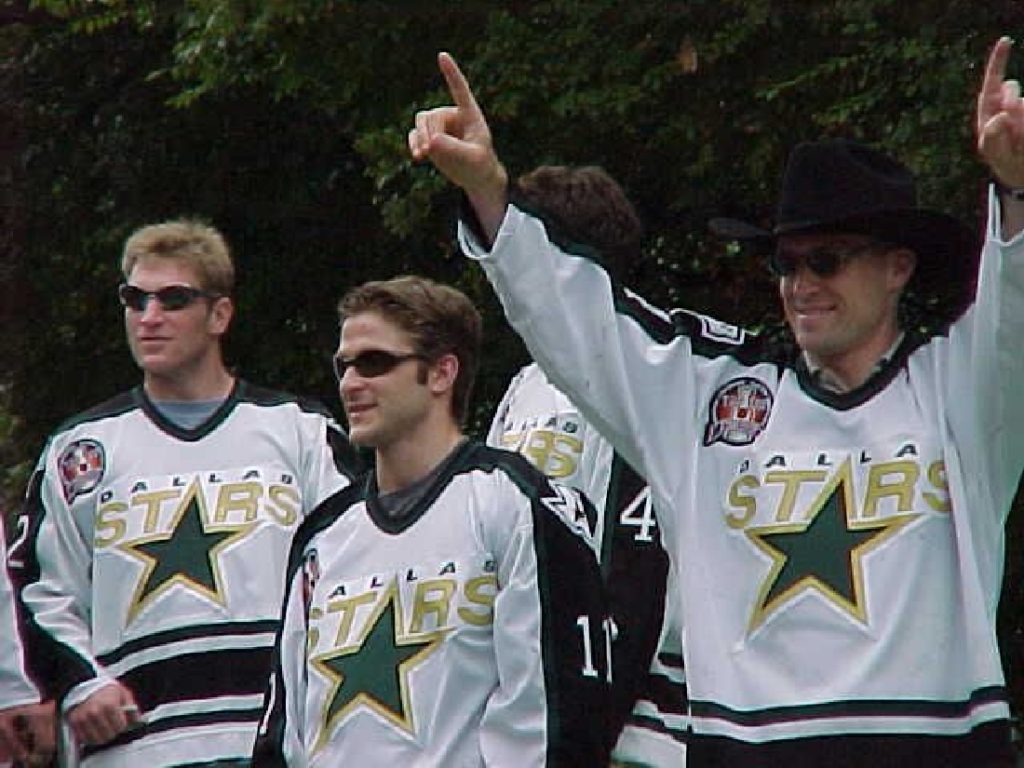
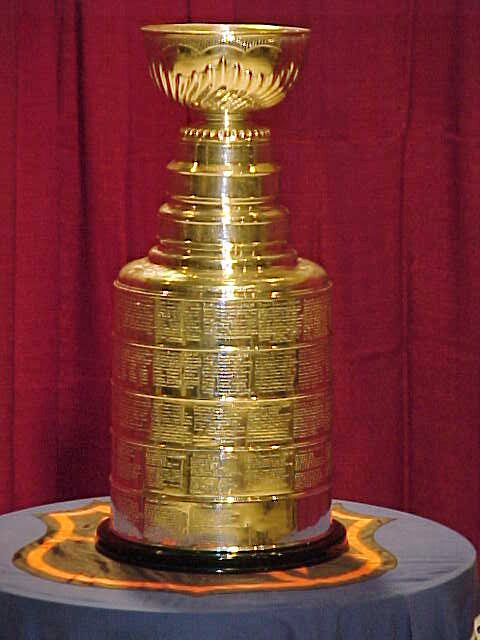
We can start with the late 90s Stars teams. From 1998-2000, Dallas
went to three straight conference finals, skated the Stanley Cup in
1999, and lost in the finals in 2000. General Manager Bob Gainey built
those groups with savvy trades, money from Tom Hicks, and between seven
and nine homegrown players a year. The free agents in that
pre-salary-cap time included Brett Hull, Ed Belfour, and Pat Verbeek,
and we should probably also note that a large contract kept Nieuwendyk
from testing free agency. In addition to those high-dollar signings,
trades matched the talent of Sergei Zubov and Daryl Sydor with the grit
of Cup-winners from Gainey’s old Montreal organization, like Skrudland,
Craig Ludwig, Mike Keane, and Guy Carbonneau. Those players combined
with organizational products in their primes, like Modano, Jere
Lehtinen, and Derian Hatcher, to produce the greatest era in franchise
history.
The first team to make it to the finals in the Modano era came when
he was 20 and the franchise had not left Minnesota. GM Bobby Clarke gave
first-year coach Gainey 10 homegrown players with which to work, 12
trade acquisitions, a pair of veteran free agents, plus Stew Gavin on a
waiver draft claim (the waiver draft got eliminated in the 2005 labor
agreement). Dallas fans might recognize Stars draftees on that team like
Neal Broten, Modano, Mike Craig, and Shawn Chambers (a supplemental
draft selection who left the organization but returned as a free agent
to win the ’99 Cup). That group, which also included former
first-rounder Brian Bellows, lost to Pittsburgh in the Stanley Cup
Finals. 2007-08 provides this year’s version the best competition for the
title of “Most Homegrown Good Stars Team.” They had 14 guys who had
never played for another NHL franchise. The four free agents included
defensive stalwarts Philippe Boucher and Stephane Robidas. The seven
trade acquisitions were headlined by trade deadline pickup Brad Richards
and the stalwart Zubov. They posted 97 points and lost the conference
finals in six games to Detroit. There’s a case to be made that the ’07-’08 Stars were more indigenous
than this ’15-16 batch, since they had the 14 draftees (all but three
from the top two rounds). Heck, a third of their general managers that
season were kind of homegrown (Brett Hull played here before sharing GM
duties with Les Jackson after Hicks let Doug Armstrong go). But a
development pipeline shows its depth not only by the players who come
through it to play a key role for your team, but also by how effectively
you can use it to acquire other talent. Here current GM Jim Nill and
his predecessor, the former Star Nieuwendyk, have made a real impact on
this year’s success.
The Stars traded a total of 13 players (plus three draft picks) to
acquire top-six forwards Tyler Seguin, Patrick Sharp, Jason Spezza;
solid defensemen Jason Demers and Alex Goligoski; and co-number one
goalie Kari Lehtonen. Of the 13 traded players, all but one had never
been the property of another NHL team. The lone exception, Seguin trade
inclusion Joe Morrow, came to the Stars in a deal for former top pick
Brenden Morrow. Those other Stars teams had some success dealing players who came
through the organization. Jackson (who had a hand in shaping all these
teams in some front office position or another) and Hull’s package for
Richards included draftees Jussi Jokinen and Mike Smith. Dave Gagner’s
40 goals and strong playoff run in 1991 made the deal for Jari
Gronstrand and Paul Boutilier look pretty good. And even in hindsight,
no Stars fan would undo Gainey’s swap of Jarome Iginla for Conn Smythe
Trophy-winner Nieuwendyk. But the 2015-16 Stars have benefitted from
using young talent to acquire top-caliber performers more frequently
than any of their predecessors.
Speaking of youth, only one of the 11 homegrown Stars this season is
older than 26 (Benn’s brother Jordie, 28) and there’s more talent
waiting in Cedar Park. This team could be good for a while.
Nill no doubt understands how the draft-and-develop approach can win.
The Red Wings team that beat the ’07-08 Stars group went on to win the
most recent Motor City Stanley Cup. Eight of their top ten playoff
scorers were guys the longtime Detroit Assistant GM helped draft. Stars
fans hope a playoff leaders list that includes names like Benn,
Klingberg, and Nichushkin brings the same hardware to North Texas.
Rush Olson has spent two decades directing creative efforts
for sports teams and broadcasters. He currently creates ad campaigns
and related creative projects for sports entities through his company,
Rush Olson Creative & Sports.